The Museumsufer & Städel: Frankfurt's Museum Mile
Along a few hundred metres of the Schaumainkai, one museum follows the next — one of the densest concentrations of museums in Europe, crowned by the Städel. Here's how to find your way without spreading yourself too thin.

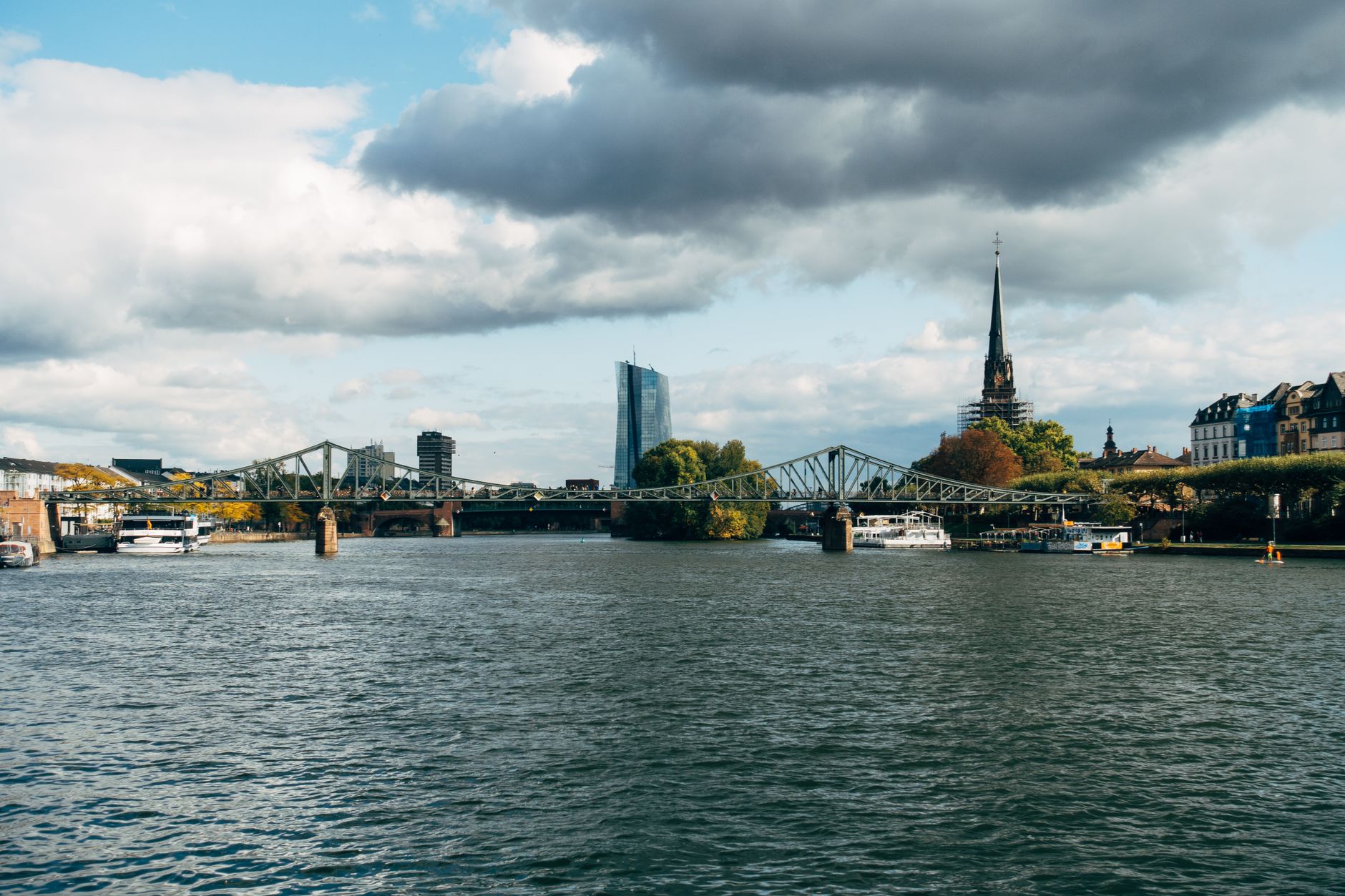
There are cities with one great museum, and then there is Frankfurt. Here you don’t have to choose: cross from the old town over the Eiserner Steg to the Sachsenhausen bank and, along the Schaumainkai, one museum lines up after another — world art, film, design, sculpture, ethnology, architecture, even icons and the Bible. This density is unique in Europe, and Frankfurters are rightly proud of it. I live only a few tram stops away and still catch myself discovering houses I’ve never set foot in. This page is your compass to the whole thing: which museum stands for what, what the combined tickets are really worth — and what a relaxed museum day on the Main can look like, without going home exhausted and over-saturated.
One riverbank, one plan: how the Museumsufer came about
Most visitors assume this museum mile grew over centuries. In fact it’s a very deliberate cultural-policy project of the 1980s. The city’s then head of culture, Hilmar Hoffmann, coined the motto “culture for all” (Kultur für alle) and made the southern bank of the Main the heart of his vision. The old patrician villas along the Schaumainkai were restored, extended and complemented by spectacular new buildings from internationally renowned architects.
Walk the riverbank with your eyes open and you can read that building history off the houses: Richard Meier wrapped the Museum Angewandte Kunst in gleaming white in 1985, Oswald Mathias Ungers created his famous “house within a house” for the German Architecture Museum, and Günter Behnisch designed the transparent home of the Museum für Kommunikation. At the Städel, finally, the newest extension by schneider+schumacher (2012) almost vanishes beneath the lawn — the contemporary collection lies under a gently domed garden hall lit by round skylights. The Museumsufer is therefore not just a place for art, but an architecture walk in its own right.
The south bank: the actual museum mile
The core stretch runs along the Schaumainkai on the Sachsenhausen side, roughly between the Eiserner Steg and the Friedensbrücke. House follows house, and because each has its own focus, it pays to know in advance what interests you:
- Liebieghaus — the city’s loveliest sculpture collection, from antiquity through the Middle Ages to classicism, housed in an enchanting Gründerzeit villa with a garden. It’s famous for its research into the original colouring of ancient statues (“Gods in Colour”).
- German Film Museum (DFF) — the history, technology and magic of cinema, hands-on, with its own repertory cinema in the building. The permanent exhibition costs €8 (reduced €4), special exhibitions €15 (reduced €10, as of 2026). More in my in-depth piece on the Film Museum.
- Museum für Kommunikation — from the post-horn to the digital age; especially family-friendly, with plenty of hands-on stations. Details in my article on the Museum of Communication.
- Museum Angewandte Kunst — design, fashion, book art and craft from Europe and Asia in the light-filled Meier building, with changing and often surprisingly contemporary exhibitions. More in the Museum of Applied Arts piece.
- Museum der Weltkulturen — ethnology and non-European cultures, with a clear focus on contemporary perspectives rather than dusty display cases. In depth in the Weltkulturen article.
- German Architecture Museum (DAM) — for anyone fascinated by building and the city. The Ungers home on the Schaumainkai is currently undergoing a major renovation; the programme continues at a temporary venue, so check before you set off where the DAM can currently be found.
- Museum Giersch — regional art of the 19th and early 20th centuries in an elegant riverside villa at the western end of the mile, run by Goethe University.
- Icon Museum — Orthodox sacred art, one of the most significant collections of its kind in Germany, tucked slightly behind the main row.
- Bibelhaus Erlebnis Museum — the world of the Bible told in a lively, interactive way; good for families.
Add to these smaller venues such as the Portikus, an exhibition hall for contemporary art on the little island in the Main, and the Hindemith Kabinett in the medieval Kuhhirtenturm tower. There really is something for every taste.
The Städel: the heart of the mile
If one house crowns the Museumsufer, it’s the Städel Museum. Founded in 1815 as the endowment of the banker Johann Friedrich Städel, it’s regarded as the oldest and most renowned museum foundation in Germany. Its collection spans an almost seamless arc across more than 700 years of European art — from the early 14th century to the present, from Botticelli and Vermeer, through Tischbein’s famous portrait of Goethe, to Beckmann, Richter and the art of today.
The essentials for planning (as of 2026):
- Address: Schaumainkai 63, 60596 Frankfurt am Main.
- Opening hours: Tuesday to Sunday 10 a.m.–6 p.m., Thursdays until 9 p.m., closed Mondays.
- Admission: adults €19, reduced €17, family ticket €30, children under 12 free.
- Tuesday Special: every Tuesday from 3 to 6 p.m. the collection and special exhibitions for €10 — my saver tip.
- Getting there: U-Bahn U1/U2/U3/U8 to Schweizer Platz, then five minutes on foot, or tram 15/16 to Otto-Hahn-Platz.
For big special exhibitions in particular, book an online time slot in advance to skip the queue. And allow enough time: you won’t do the Städel justice in an hour. For a full breakdown of how to plan your visit, see my detailed Städel guide.
The north bank and the old town
The name “Museumsufer” is a little misleading, because the northern, city-centre bank of the Main and the adjoining old town belong to it too. Here you’ll find above all the city-history and contemporary houses:
- Jewish Museum in the Rothschild Palais on the Untermainkai, reopened in 2020 after a major expansion — one of the most important addresses for Frankfurt’s Jewish history. More in my Jewish Museum piece.
- Historical Museum Frankfurt right by the Römer, with a building opened in 2017 and a warmly told take on the city’s story. Details in the Historical Museum article.
- Schirn Kunsthalle on the Römerberg — no permanent collection, but large, often headline-grabbing temporary shows.
- MMK Museum of Modern Art — contemporary art in Hans Hollein’s striking “slice of cake” building, one of the most important houses of its kind in Germany.
Just a few steps inland lie the Archaeological Museum in the former Carmelite monastery and the Caricatura Museum of comic art in the Leinwandhaus — both barely a hundred metres from the riverbank and easily slotted into a museum day.
One ticket for a lot: MuseumsuferTicket, MuseumsuferCard & co.
If you want to see more than one house, get to know the combined offers. They open the doors to some three dozen participating museums — on the riverbank and across the city:
- MuseumsuferTicket: valid on two consecutive days. Adults €21, reduced €12, family €32 (as of 2026). Ideal for a long weekend on which you want to see several houses.
- MuseumsuferCard: the annual pass for frequent visitors — a whole year of free admission to 37 museums. Single €89, reduced €45, family €150 (as of 2026).
- Frankfurt Card: the tourist card for one or two days brings discounts at many museums and includes public transport — handy if you’re going to be using the U-Bahn and trams a lot anyway.
One honest note: for some big special exhibitions with international loans there are restrictions, and a surcharge or separate ticket may apply. And a family tip: on the last Saturday of every month, the “Satourday”, the municipal museums offer free admission for children and their own hands-on programme.
The Museumsuferfest
The biggest day of the year on the riverbank is the Museumsuferfest, held every year since 1988 on the last weekend of August. For three days both banks of the Main turn into an enormous stage: music on dozens of stages, food stalls from around the world, extended museum opening hours and, on Sunday evening, a grand fireworks display over the river. Hundreds of thousands celebrate here — it’s Frankfurt’s biggest cultural festival. If you’re in the city at that time, definitely drop by, but be ready for crowds. Afterwards, old Sachsenhausen with its apple-wine taverns beckons right next door for a well-earned refreshment.
My suggestion for a museum day
The most common mistake is trying to “work through” as many houses as possible in one day. It’s overwhelming and no fun. My advice: pick one main museum and one smaller neighbouring house, and let the Main do the rest.
Here’s how my day would look. A coffee in the old town in the morning, then on foot over the Eiserner Steg — even the walk, with its view of the skyline, sets the mood. On the far side I start fresh at the Städel, while my concentration is still high, and set aside a good two hours. After that, either next door to the Liebieghaus for the sculpture or into the Film Museum, depending on my mood. For lunch a snack or an ice cream by the river, then a slow stroll along the promenade; on many Saturdays the popular flea market spreads out here, and the view of the banking towers is free of charge. If you still have energy, add the Museum für Kommunikation or the Weltkulturen. And to finish, I cross over into old Sachsenhausen for a jug of apple wine.
For me, the Museumsufer is the best proof that Frankfurt is far more than banks and an airport. Nowhere else can you wander from the Renaissance to the cinema, from design to ethnology and back to the river all in one afternoon. Don’t spread yourself too thin, choose deliberately, use the combined tickets — and treat yourself to the view over the water in between. That way the museum mile becomes exactly what Hilmar Hoffmann once dreamed of: culture that gives pleasure.
Keep reading
Attractions
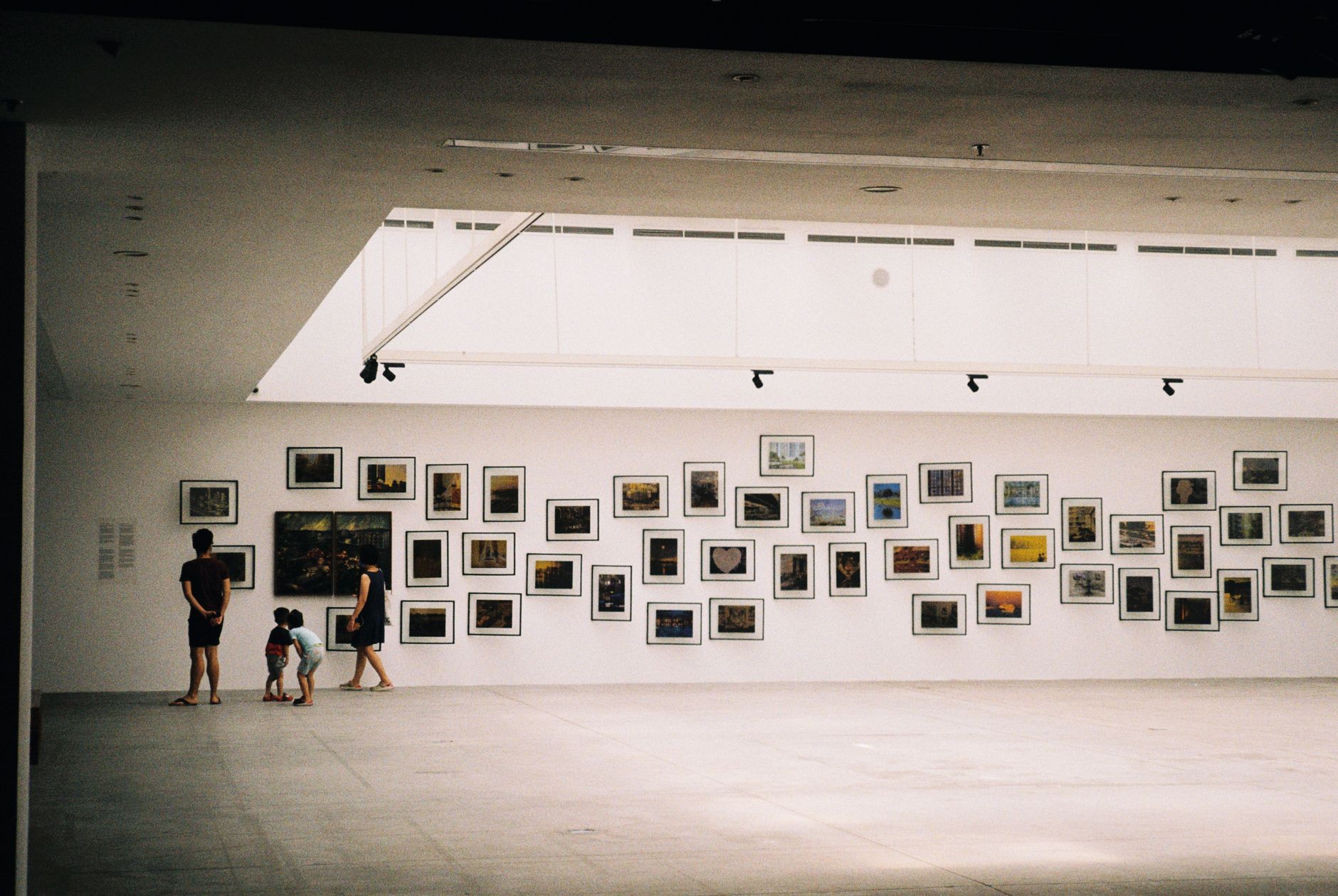
Städel Museum Frankfurt: Tickets, Opening Hours & Highlights
The Städel Museum on Frankfurt's Museumsufer: 700 years of art from Botticelli and Vermeer to Monet, the underground Garden Halls, opening hours, admission prices and the Tuesday Special.
Katharina Vogt22 June 2026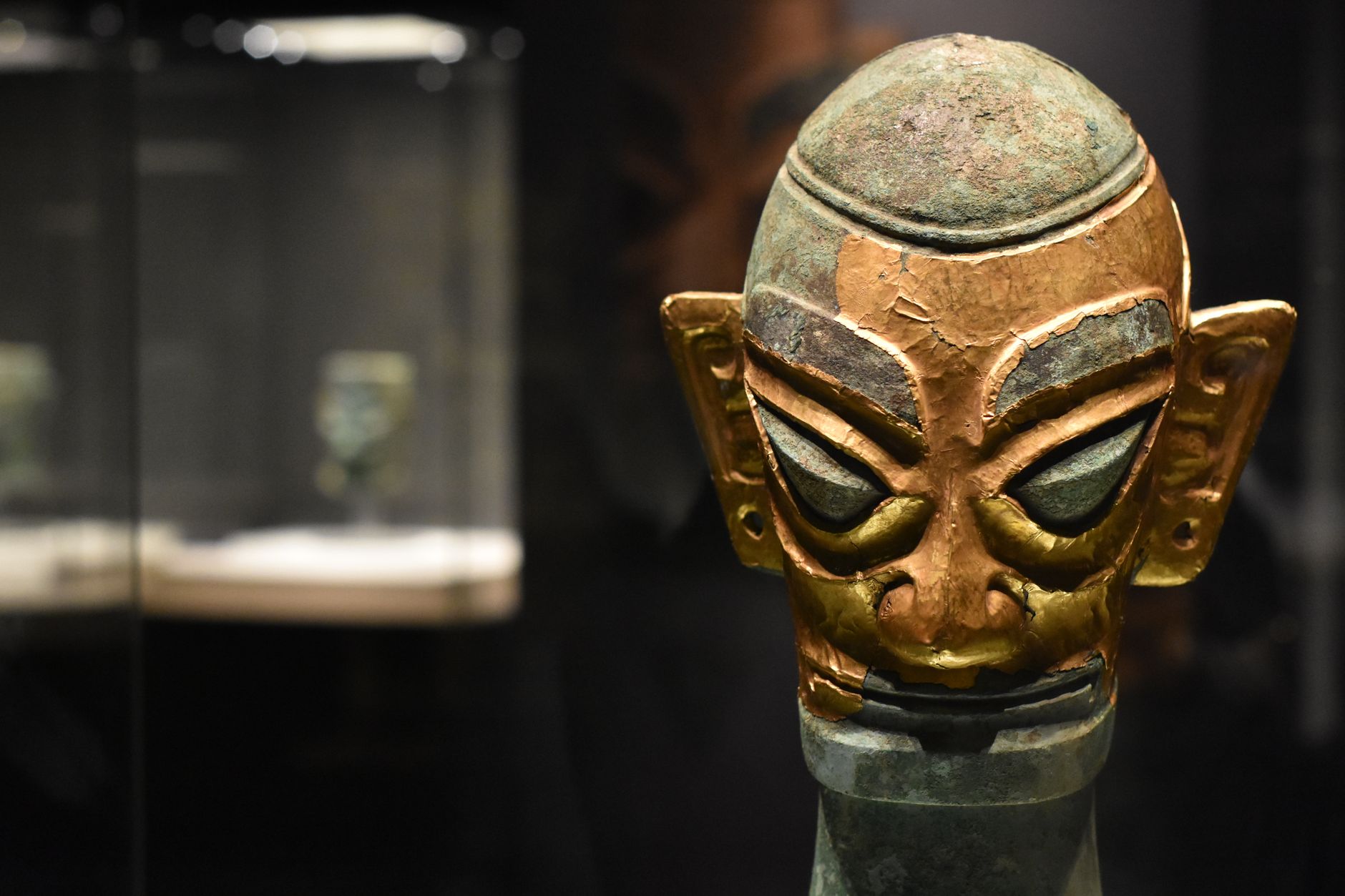
Attractions
Weltkulturen Museum Frankfurt: Collection, Exhibitions & Tips
The Weltkulturen Museum on Frankfurt's Schaumainkai: its ethnographic collection of around 65,000 objects, the no-permanent-display principle, opening hours, admission and tips from a local.
Katharina Vogt14 July 2026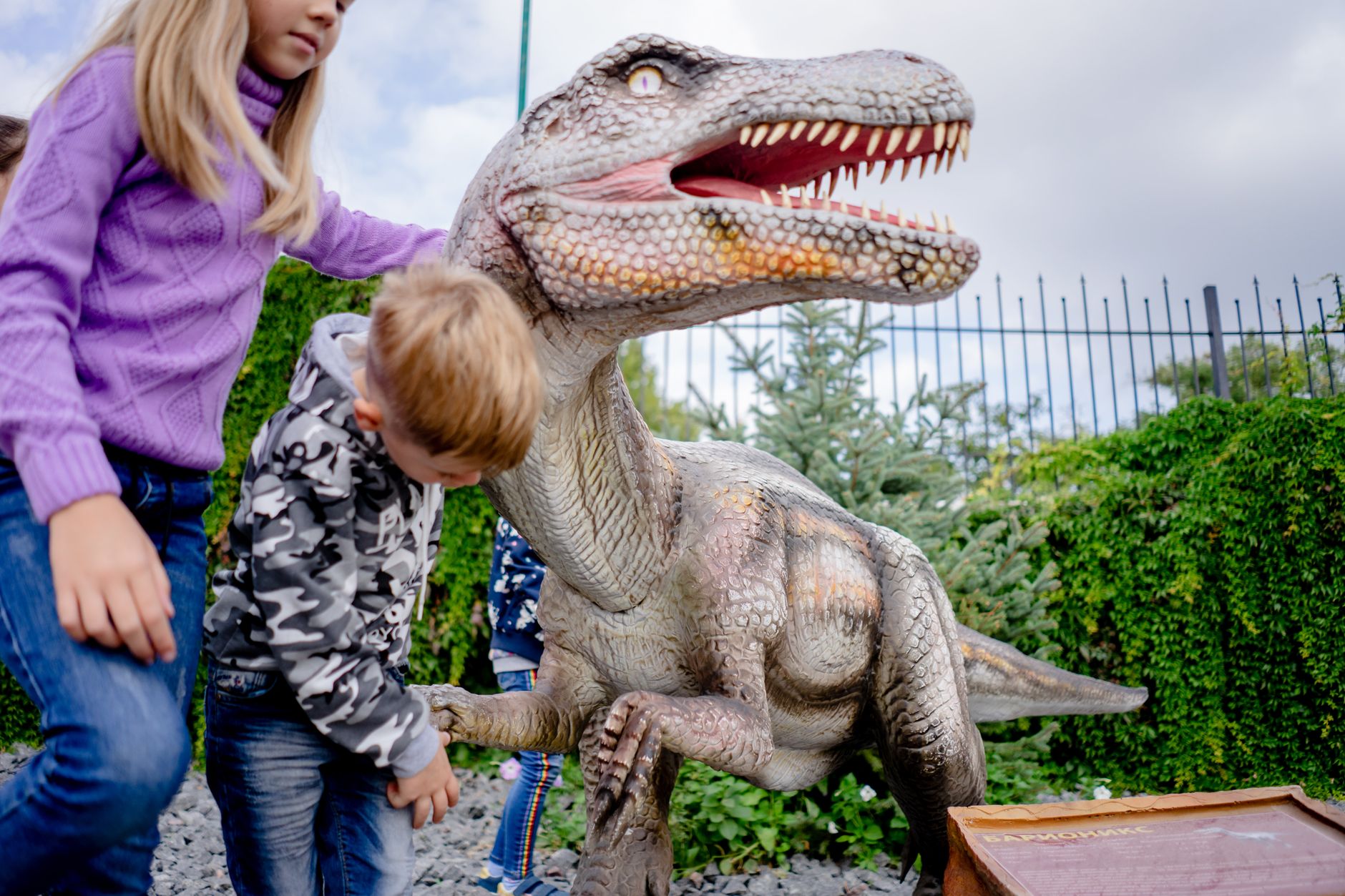
Attractions
Museums for Children in Frankfurt: The Best for Families
Frankfurt's most child-friendly museums at a glance: the Senckenberg with its dinosaurs, the hands-on Experiminta centre, the Young Museum at the Saalhof, the Film Museum and the Struwwelpeter Museum — with verified prices and addresses (as of 2026).
Katharina Vogt29 June 2026
Attractions
Frankfurt Attractions: The 15 Top Highlights
From the Römer and cathedral via the Main Tower and Museumsufer to the Palmengarten, zoo and Sachsenhausen: Frankfurt's 15 most important attractions — with prices, opening hours and honest tips from a local (as of 2026).
Katharina Vogt16 June 2026