Historical Museum Frankfurt: Saalhof, Highlights & Tickets
Between the Römerberg and the Main, on the oldest ground in the city, the Historical Museum tells 900 years of Frankfurt — with a medieval harbour in its cellar and an old-town model you won't forget in a hurry.

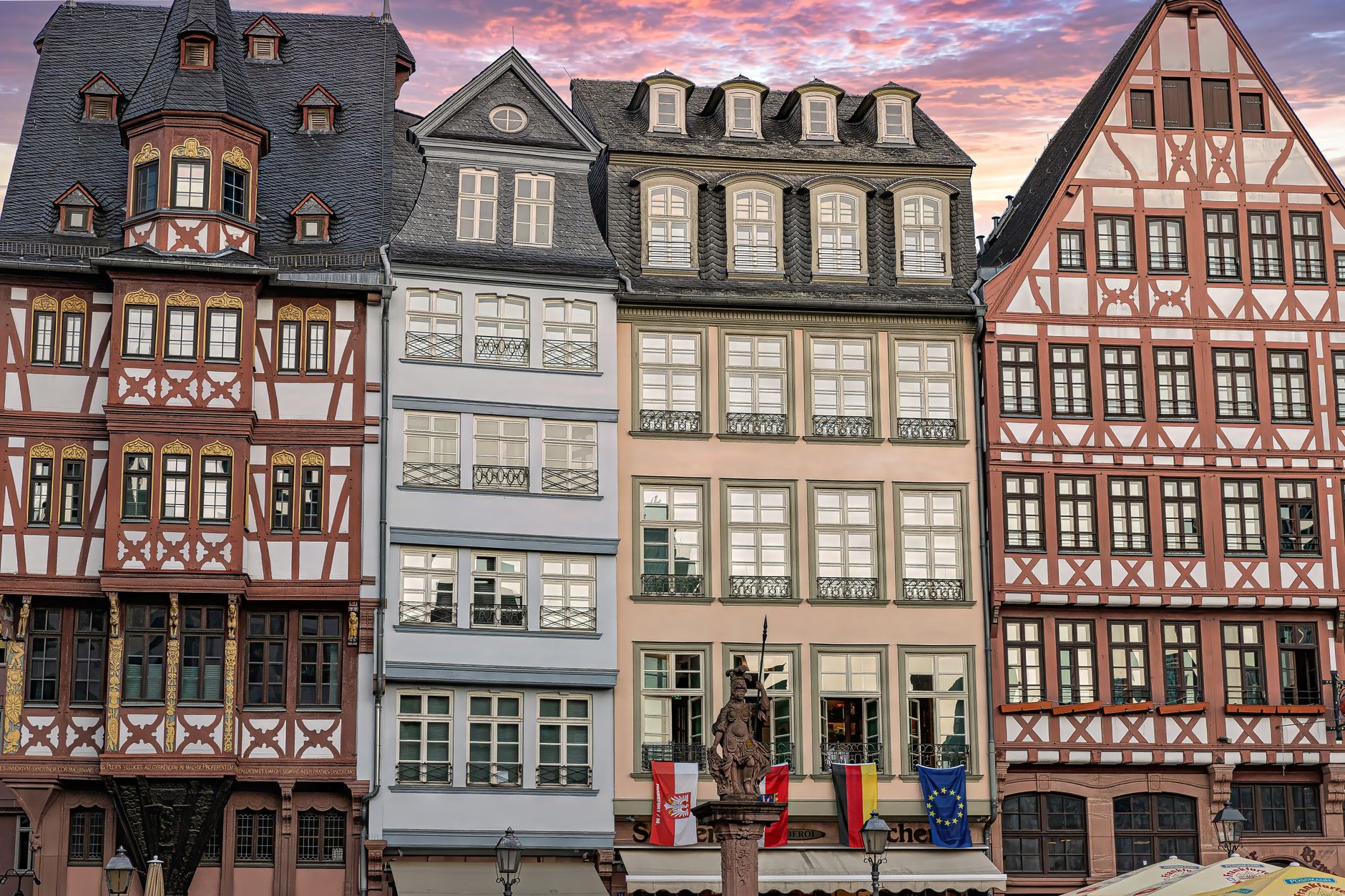
When friends visit from abroad and I’m allowed to recommend just one museum, it is nearly always this one: the Historical Museum Frankfurt at Saalhof 1, where the old town tapers down behind the Römerberg towards the Main. It is the place where you finally grasp how a medieval coronation and trade fair city became today’s banking metropolis — and not through rows of dusty display cases, but as one of the cleverest, most characterful city museums I know. You are standing, quite literally, on the oldest ground in Frankfurt, and yet the place feels surprisingly young.
The Saalhof: Frankfurt’s oldest stone and a harbour from the Staufer era
The museum isn’t a single building but a whole ensemble of houses grouped around a courtyard. Its historic core is the Saalhof, a former royal palace of the Staufer dynasty on the riverbank. Part of it is the Saalhof Chapel, built around 1160 and regarded as the oldest surviving building in the entire city. Visitors who marvel at the Imperial Cathedral and St Paul’s Church often underestimate that here, a few steps further on, stands a stone that is older still.
The real spine-tingling moment, though, is under your feet. In the museum’s archaeological section you can see the excavated remains of the Stauferhafen, the medieval harbour that once linked Frankfurt to the Main. Even wooden beams survive, datable to the year 1310: unremarkable, damp, dark timber, and yet a direct line back to a time when goods for the famous trade fairs were handled here. Around the Saalhof cluster further buildings, among them the striking Rententurm tower by the water and the Bernus building. The museum moved into the Saalhof in 1955; after a thorough refurbishment the old building reopened in 2012, and since then the Rententurm has been accessible to the public for the first time.
Old meets new: the 2017 building
The great leap came on 7 October 2017, when the modern new building (the exhibition house) opened. It was designed by the Stuttgart practice Lederer Ragnarsdóttir Oei, and the design is anything but arbitrary: the pale sandstone façade and the jagged, gabled roofline deliberately echo the silhouette of Frankfurt’s destroyed old town without copying it. From the outside, the building already tells you what it is about inside.
This marriage of Staufer-era fabric and confident contemporary architecture is, for me, the real draw. The exhibitions spread across both worlds — the old Saalhof and the new cube — and over several levels. Take your time: the site is noticeably larger than it looks from the street, and getting a little lost here is part of the pleasure.
”Frankfurt Once?” — 900 years across five galleries
The big permanent exhibition in the new building is called “Frankfurt Once?”, and it tells the city’s story across five galleries — deliberately thematic rather than strictly chronological. It is about money, trade and civic pride, about the coronations of the Holy Roman emperors, about faith, law and the ruptures of the 20th century. Instead of marching you from one date to the next, the exhibition poses questions and lets the objects answer.
Its quiet star is the great old-town model by the Treuner brothers. Hermann and Robert Treuner worked between 1926 and 1955 on this meticulous reconstruction of Frankfurt’s old town as it looked before its destruction in the Second World War — every timber-framed house, every alley, every courtyard to scale. You can hardly get enough of the dense tangle of gables. If you’ve walked through today’s New Old Town beforehand, only here do you truly grasp what was lost in the air raids of March 1944 — for many visitors the most moving moment of the whole tour.
Around the model, the museum guards art- and cultural-historical treasures of European rank. Among the highlights are:
- The St Anne Altarpiece (c. 1500) by the Master of Frankfurt, a gem of late-Gothic painting.
- The Heller Altarpiece (1508) after Albrecht Dürer, whose eventful history alone could fill a novel.
- Alfred Rethel’s monumental history painting “The Reconciliation of Emperor Otto I” (1840).
- The terrestrial globe by Johannes Schöner (c. 1515), an early witness to how the Renaissance began to picture the whole world.
”Frankfurt Now!” and the Snow Globe
A city museum that looked only to the past would be half-hearted. So “Frankfurt Now!” sets a 21st-century city museum against the historical part: here the residents themselves have the floor, with their neighbourhoods, languages and everyday stories. It is the section that changes fastest — and the one that shows history didn’t stop in 1945.
My personal favourite is the installation “Snow Globe — Typically Frankfurt!” in the foyer on the lower ground floor. Eight international artists — among them Tracey Snelling, Rob Voerman and Marc Giai-Miniet — have built eight model worlds, each seizing on a cliché about Frankfurt and taking it apart with a wink: “Bankfurt” and the skyline, the crime capital, the industrial city, the transport hub, the secret capital, the critical city, the Jewish city and the eternal building site. It is sharp, funny and self-mocking all at once — exactly the right portrait of a city that never quite takes itself seriously and is proud all the same.
The Young Museum: history you can touch
Within the same ensemble sits the Young Museum, one of the oldest children’s museums in Germany. Here, in its own workshops, history is made tangible — to touch, try out and join in, pitched at the eye level of younger guests. If you’re coming with children, I’d start here while attention is still fresh. For how to plan a relaxed museum day with kids in the first place, I’ve gathered my thoughts in the overview of museums for children in Frankfurt.
A view over the Main
One detail many people miss: the permanent display includes the Rententurm and Main panorama section. From the historic tower your gaze sweeps across the Main to the far bank, where the museums of the Museumsufer line up one after another. Nowhere else can you grasp so vividly how tightly Frankfurt’s history has always been bound up with its river — and it makes a lovely, quiet full stop before you step back into the bustle of the old town.
Opening hours and admission (as of 2026)
The museum is open Tuesday to Sunday from 11 a.m. to 6 p.m., and on Thursdays the new building stays open until 9 p.m. It is closed on Mondays. On some public holidays such as Easter Monday or Whit Monday the regular hours apply; around Christmas and New Year they can differ, so a quick glance at the official website is worthwhile then.
Prices are tiered according to what you’d like to see:
- Permanent exhibitions (Historical Museum + Young Museum): €8, reduced €4
- Temporary exhibition: €10, reduced €5
- Day ticket for all exhibitions: €12, reduced €6
Especially welcome for families and young people: children and young people under 18 get in free, as do apprentices and trainees. That makes it one of the most affordable cultural destinations in the city. Buy tickets at the cash desk or in advance in the online shop, which saves you queuing on busy days and for popular temporary shows. On site there’s a café for a break, a shop with books and clever souvenirs on the city’s history, and a free cloakroom and lockers. If you’d like a guided tour, there’s a broad programme — right down to a highlights tour in Mandarin.
Getting there — and what’s next door
The address is Saalhof 1, 60311 Frankfurt am Main, right on the riverbank next to the Römerberg. The easiest way to arrive is by public transport: the U-Bahn station Dom/Römer (U4/U5) is just a few steps away, as are trams 11, 12 and 14 (Römer/Paulskirche stop, about five minutes on foot). From the Hauptwache S-Bahn hub it’s roughly ten minutes’ walk through the old town. I’d firmly advise against the car — parking in the old town is expensive and scarce; if you do drive, use one of the car parks around the Römer.
The great advantage of this location is that you can slot the museum effortlessly into a full old-town day. The Dom-Römer quarter is right next door, and its reconstruction — which I describe in my piece on the New Old Town — hits you quite differently after you’ve seen the Treuner model. If you’d rather explore the surroundings on foot, my historic walk through the old town and the Römer offers a route to match.
My route, if you have half a day
When friends ask how to get the most out of a visit, I suggest this order: start downstairs with the Stauferhafen and the Snow Globe while you’re still fresh — first the real old Frankfurt, then the tongue-in-cheek one. Then head up into “Frankfurt Once?”, allowing plenty of time for the old-town model and the altarpieces. If you’re with children, slot in the Young Museum before concentration flags. Finish at the Rententurm with its view over the Main, and then step straight out into the New Old Town next door. For the old-town model, the permanent exhibition and one temporary show, reckon on two to three hours; come on the long Thursday if you can, when the new building stays open until 9 p.m. and the galleries are calmer.
For me the Historical Museum isn’t a box to tick but the key to the whole city. Anyone who wants to understand why Frankfurt is the way it is — trade-obsessed, rebuilt, self-mocking and proud — should begin here. The old-town model alone is worth the trip, and everything around it turns the visit into a genuine, full Frankfurt day.
Keep reading
Attractions
Archaeological Museum Frankfurt: Tickets, Highlights & Tips
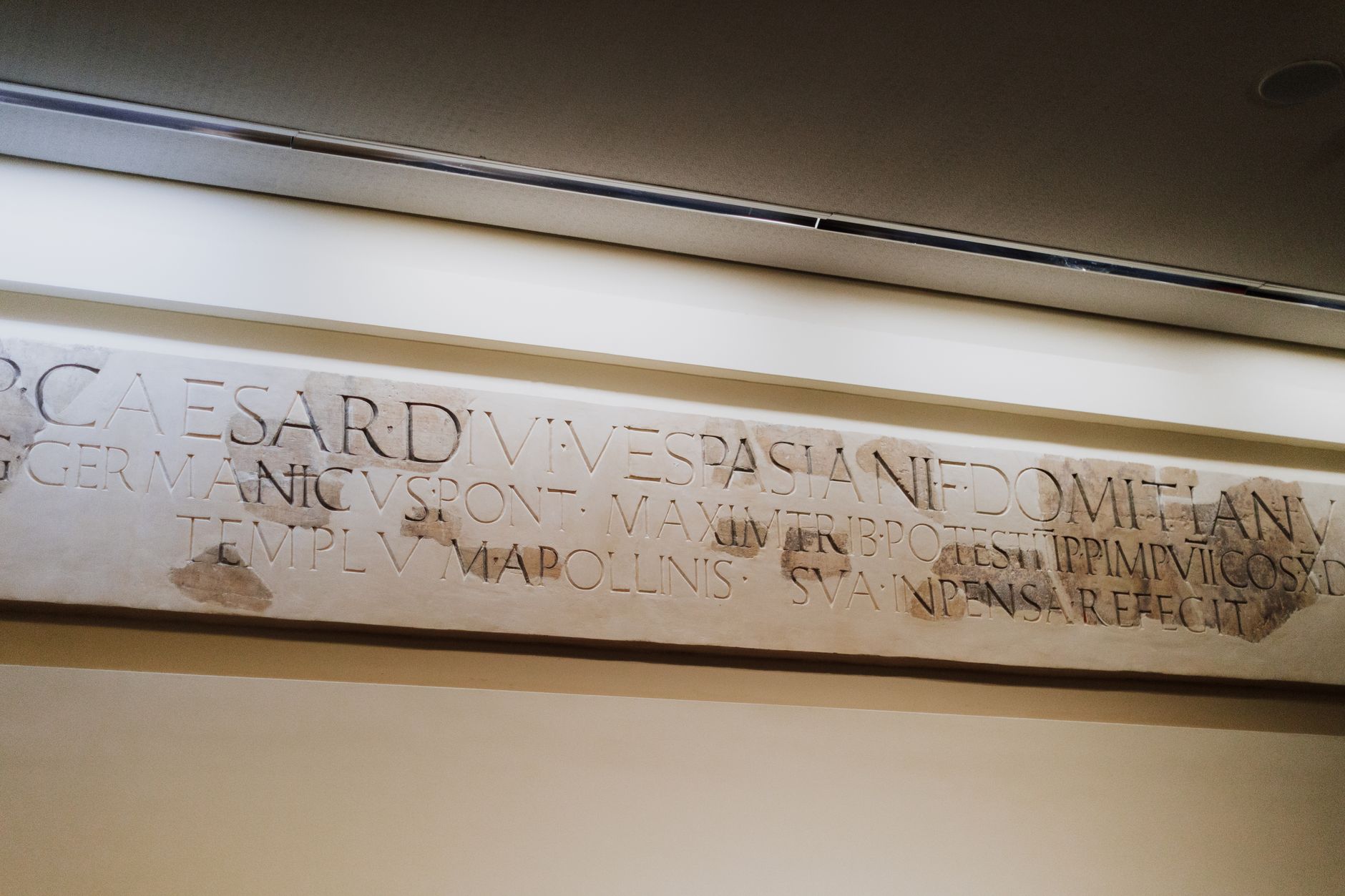
The Archaeological Museum Frankfurt inside the Gothic Carmelite church: Roman finds from NIDA, Mithras reliefs, the Ratgeb frescoes, the Silver Inscription — plus current prices, opening hours and tips from a local.
Katharina Vogt28 June 2026
Attractions
Caricatura Museum Frankfurt: Comic Art on the Weckmarkt
Cartoons, caricatures and the New Frankfurt School inside the medieval Leinwandhaus: opening hours, admission (€8/€4), highlights and tips for your visit to the Caricatura Museum Frankfurt.
Katharina Vogt25 June 2026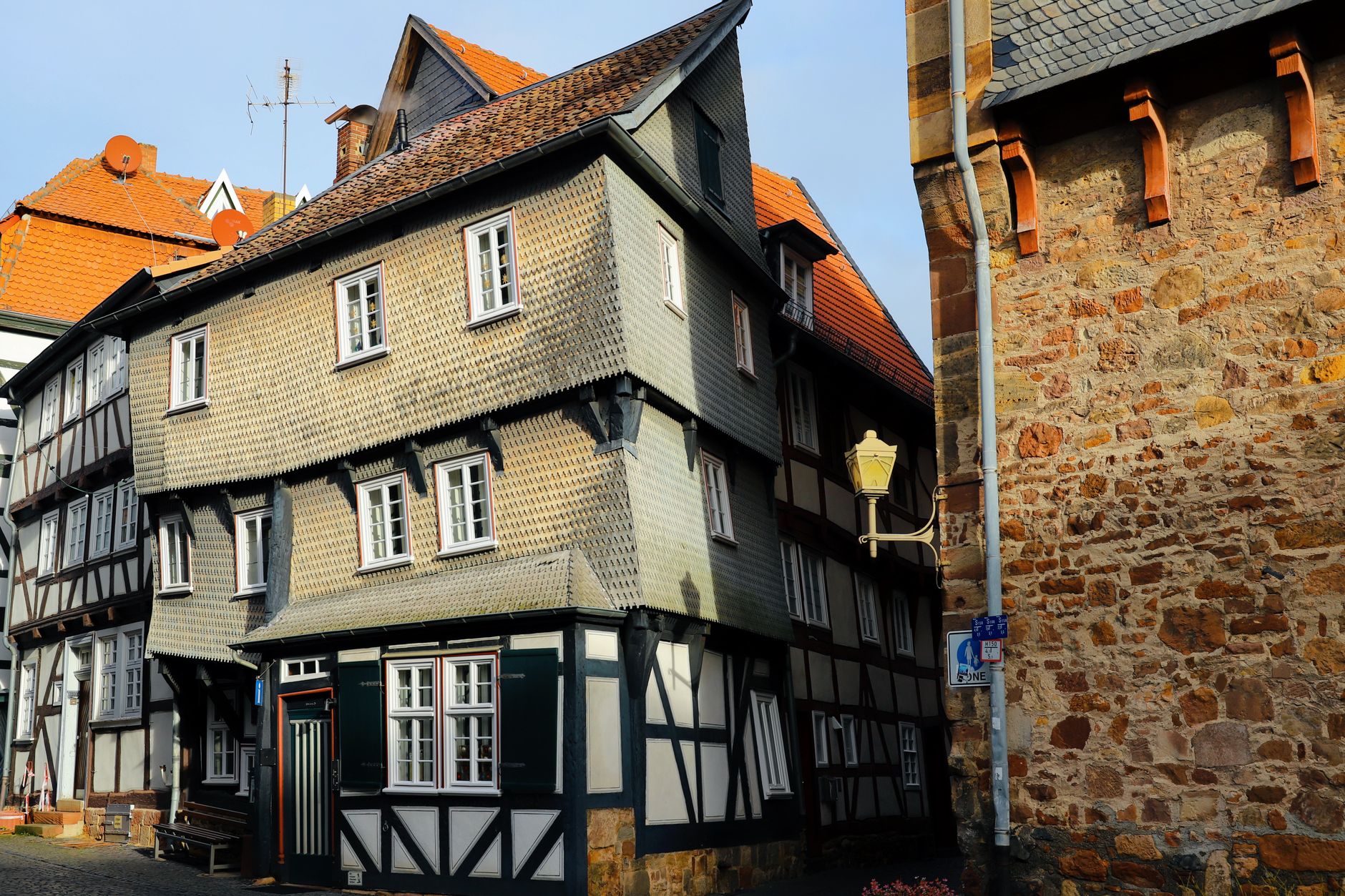
Attractions
Höchst Old Town Frankfurt: Timber-Framing, Castle & Justinus Church
Höchst in Frankfurt's west: the only old town that survived the war — with the Carolingian Justinus Church, the castle on the Main, the Bolongaro Palace and timber-framed lanes. Getting there, the Schlossfest and my walking route.
Katharina Vogt10 July 2026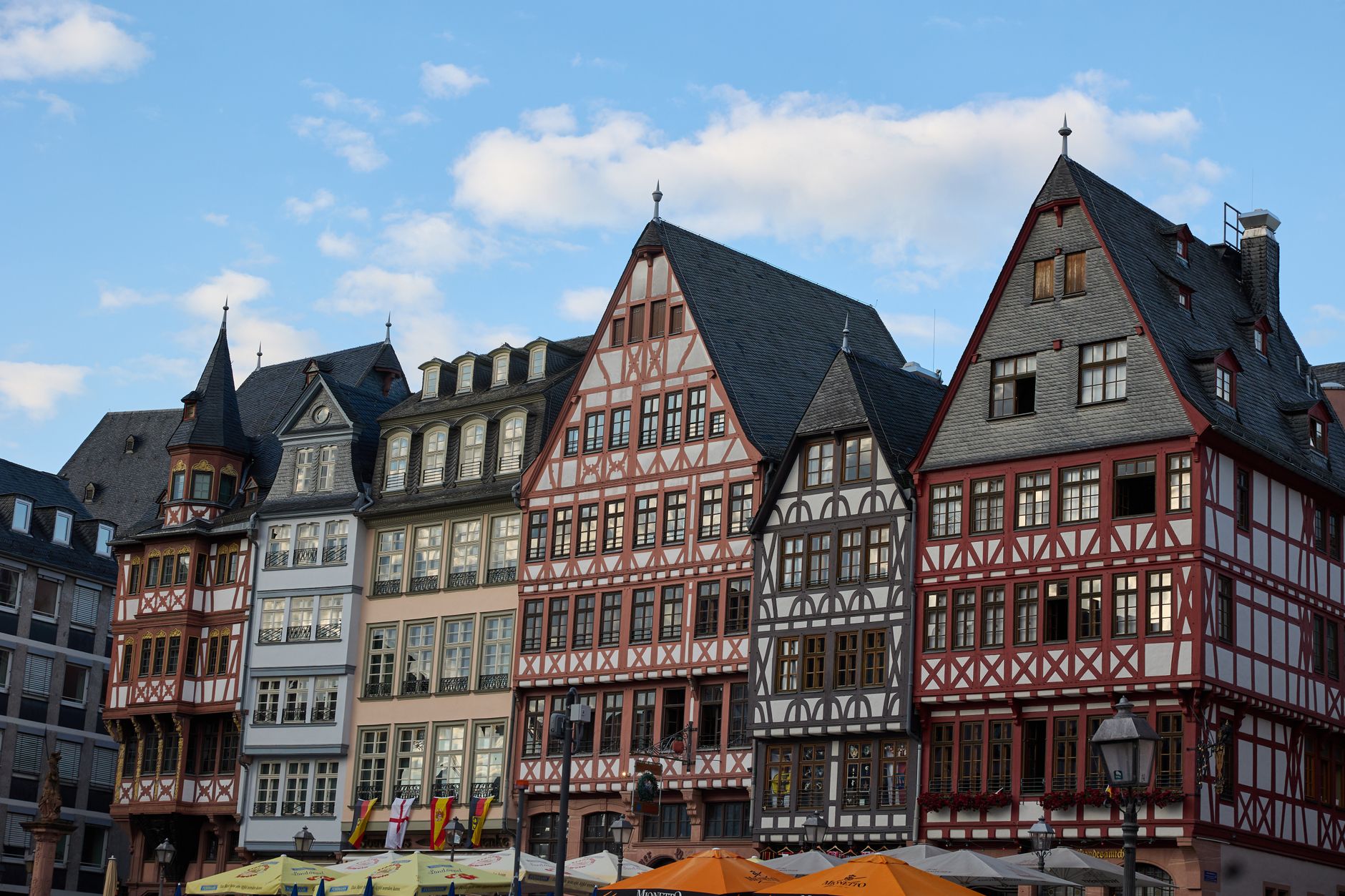
Attractions
Frankfurt's New Old Town: Dom-Römer Quarter, History & Walk
Frankfurt's New Old Town between the cathedral and the Römer: the history of the Dom-Römer project, the Golden Scales, the Hühnermarkt, the coronation route — and my walking tour of the quarter.
Katharina Vogt21 June 2026