Städel Museum Frankfurt: Tickets, Opening Hours & Highlights
Germany's oldest museum foundation, endowed in 1815 by a Frankfurt banker: what awaits you at the Städel, which masterpieces not to miss — and how to get in cheaply with the Tuesday Special.

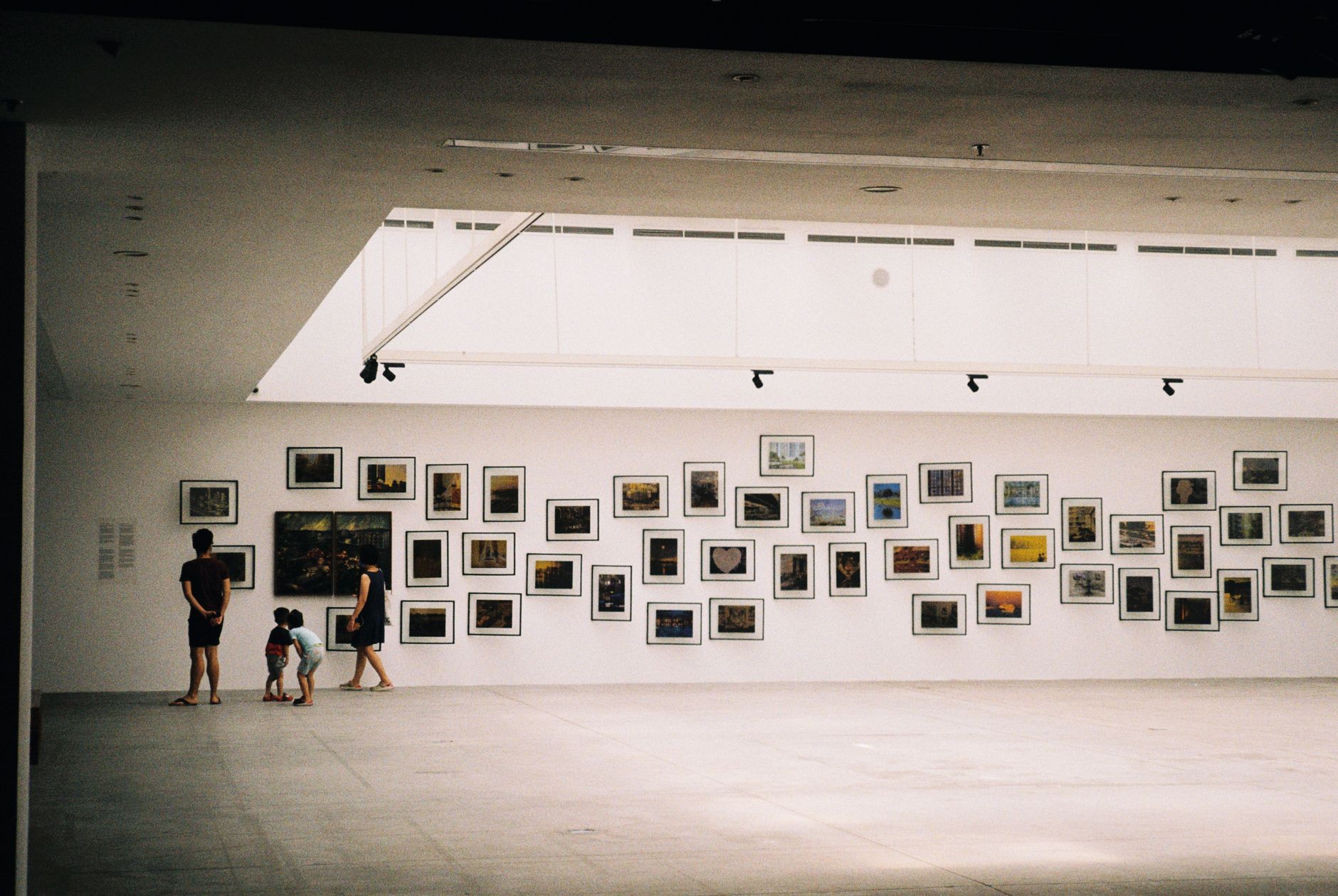
When visitors ask me which museum they absolutely must not skip in Frankfurt, I never have to think twice: the Städel. It stands on the Schaumainkai, the Sachsenhausen bank of the Main, right in the middle of the famous Museumsufer, and behind its neo-classical façade it gathers around 700 years of European art — from medieval gold-ground panels to the present day. Hardly any other institution in Germany spans that arc so completely. I have been coming back for years, and every single time I discover, in the quiet side cabinets, a picture I had walked straight past before.
A single citizen endowed the oldest museum of its kind
The Städel owes its existence not to a prince or a king but to one Frankfurt banker. When Johann Friedrich Städel died in 1815, he left his entire fortune and his art collection to a foundation that was to be open to all citizens. That makes the Städel the oldest museum foundation in Germany — and it remains a private foundation to this day, carried by Frankfurt’s residents, its patrons and an unusually active society of friends. You feel that founding spirit throughout the building: the Städel does not belong to the state, it belongs, in the best sense, to the city.
The neo-classical main building has been extended repeatedly since the 19th century. The most spectacular addition arrived in 2012, buried beneath the garden — more on that shortly, because it is an experience in its own right.
700 years in chronological order: the old masters
The collection is arranged chronologically, and that is exactly what makes the visit so rewarding: you literally walk through the centuries. In total the holdings run to around 3,000 paintings, 600 sculptures, over 100,000 drawings and prints and a large photography collection — you only ever see a fraction, of course, but what hangs in the old-master rooms is the sort of thing you otherwise know only from art books.
My first stop is almost always Sandro Botticelli’s “Idealised Portrait of a Lady” (c. 1480), the so-called portrait of Simonetta Vespucci as a nymph — a profile of such clarity that it seems to step out of the wall. A few rooms on hangs Jan Vermeer’s “The Geographer” (1669), one of only around three dozen securely attributed Vermeer paintings in the world; the light falling through the window onto the scholar is beyond compare. Add to that Rembrandt’s monumental “The Blinding of Samson” (1636) and panels by Albrecht Dürer and Lucas Cranach the Elder.
And, of course, the house’s quiet emblem: Johann Heinrich Wilhelm Tischbein’s “Goethe in the Roman Campagna” (1787), probably the best-known portrait of the poet of all — Goethe reclining in the Roman landscape, a picture half of Germany recognises on sight without realising it hangs in Frankfurt.
From Monet to Beckmann: Impressionism and modernism
Further along, the air grows lighter. The Städel holds a fine collection of French Impressionism: Claude Monet’s “The Luncheon” hangs here, alongside works by Auguste Renoir and Edgar Degas. It is one of the few chances in Germany to see these painters so densely gathered outside Paris.
The house is especially strong on classical modernism. Max Beckmann, who lived and taught in Frankfurt in the 1920s, is represented here with outstanding works; there are also Ernst Ludwig Kirchner, Franz Marc with his luminous “Lying Dog in the Snow”, and Pablo Picasso. If you are drawn to the upheaval between the 19th and 20th centuries, the Städel offers one of the richest tellings of that moment anywhere.
The Garden Halls: contemporary art under a grassy mound
And then the Garden Halls (Gartenhallen) — for me the real masterstroke of the place. In 2012 the Frankfurt architecture practice schneider+schumacher excavated a hall of some 3,000 square metres for contemporary art beneath the old museum garden. From above you see almost nothing of it: just a gently domed, grass-covered mound out of which 195 round skylights peep like portholes. Below, those very points of light bathe the windowless, column-free space in a soft, even daylight.
Here the Städel shows its contemporary collection: paintings by Gerhard Richter and Francis Bacon, sculptures by Alberto Giacometti, and photography — including work by Wolfgang Tillmans, who grew up near Frankfurt. The descent from the historic galleries into this light-flooded underworld is one of the loveliest moments of any Städel visit; the room alone would justify the trip.
The major temporary exhibitions
Alongside the permanent collection, the Städel is famous for its temporary exhibitions, which regularly earn international attention — in recent years on Monet, Rembrandt, Titian and Vincent van Gogh, among others. Announced for autumn 2026 is the show “Mary Magdalene” (from 17 September 2026). Because the programme changes constantly, it is always worth checking what is currently on before you go; an early-bird ticket for the big exhibitions is often cheaper than buying on the day.
Preparing with the app, Digitorial and audio guide
The Städel’s digital offering is extensive — and entirely free. The “Städel Highlights” app works as an audio guide and leads you through the key works from the Middle Ages to the present, so you can skip a paid guide on site. Every major exhibition is also accompanied by a Digitorial: a free, interactive online introduction you can work through from home. That takes a lot of the crush away from the wall texts and makes the visit noticeably more relaxed. And if you are looking for one particular picture, you will find it in the Digital Collection at sammlung.staedelmuseum.de, where all 700 years of holdings can be browsed online.
Prices, opening hours and the Tuesday Special
The Städel is open Tuesday to Sunday from 10 a.m. to 6 p.m., and on Thursdays until 9 p.m.; on Mondays it stays closed (as of 2026). I am especially fond of the long Thursday evening: after 6 p.m. it grows noticeably quieter, and you can have some rooms almost to yourself.
For admission, reckon on the following prices (as of 2026):
- Adults: €19
- Reduced: €17
- Family ticket: €30
- Children under 12: free
- Tuesday Special (Tuesdays from 3 p.m.): from €10 for the whole museum
My single most important money-saving tip is the Tuesday Special: if you can be flexible, visit the collection and the temporary exhibitions on a Tuesday after 3 p.m. at the reduced rate. That slot is correspondingly popular, so it is best to buy a timed ticket online in advance, which spares you the queue on busy days. Prices and times can change; if in doubt, a quick look at staedelmuseum.de before you set off will settle it.
Getting to the Museumsufer
The Städel is at Schaumainkai 63, 60596 Frankfurt am Main, on the Sachsenhausen bank of the Main. The easiest way to arrive is by U-Bahn: from Schweizer Platz station (U1/U2/U3/U8) it is a few minutes on foot, and several bus routes stop right along the Museumsufer. From the Römer in the old town I recommend walking across the Eiserner Steg footbridge — the skyline at your back and the river in front of you make the finest approach imaginable. By car it gets tight in densely built Sachsenhausen, so I would leave the vehicle at home.
The best thing about the location: the Städel is only one building on the Museumsufer, where more than a dozen institutions line up along the Sachsenhausen bank. If you still have energy after the Städel, you are five minutes’ walk from the next museum. And once your appetite for art is satisfied, the surrounding quarter beckons: in Sachsenhausen, with its apple wine and green sauce, you are soon sitting down to a well-earned break. It is no accident that the Städel ranks among Frankfurt’s 15 top attractions.
My half-day walking route
When friends ask me for a plan, this is what I suggest: allow at least two to three hours. Start upstairs with the old masters while you are still fresh and attentive — first Botticelli and Vermeer, then Rembrandt and Tischbein’s Goethe. Work your way chronologically forward to Monet, Renoir and Beckmann. Then descend into the Garden Halls; the switch from historic skylights to the modern ceiling of light points feels like a scene change in the theatre. Take a break in the café somewhere in the middle, before your concentration flags — looking at art is more tiring than people expect.
The Städel is not a place you tick off. It is a house you come back to, one you love just as much on a grey Sunday as in the bustle of a big blockbuster show. Download the app beforehand, come on a Tuesday afternoon or on the long Thursday, and take your time. After your first visit you will understand why Frankfurters are so proud of their citizens’ museum — and why, for so many, it remains the highlight of the whole trip.
Keep reading
Attractions
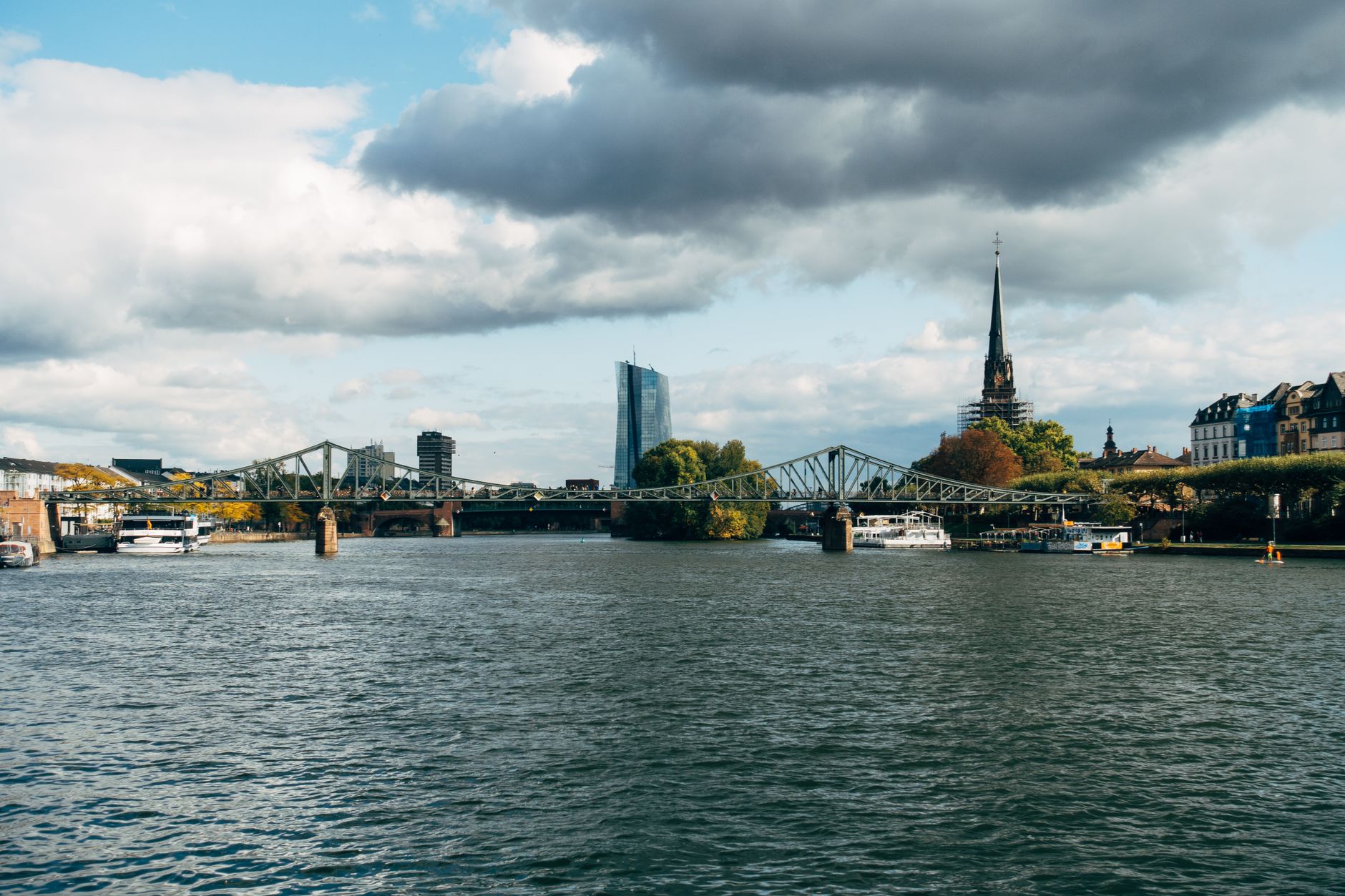
The Museumsufer & Städel: Frankfurt's Museum Mile
Frankfurt's Museumsufer at a glance: some three dozen museums along the Main — from the Städel and the Film Museum to World Cultures. With the MuseumsuferTicket, MuseumsuferCard, the Museumsuferfest and my route for a relaxed museum day.
Katharina Vogt16 June 2026
Attractions
Museum of Communication Frankfurt: Behnisch Building, Tickets & Tips
The glass Behnisch building on the Museumsufer, Nam June Paik's robot Pre-Bell-Man and hands-on stations for children: admission, opening hours and tips for the Museum of Communication Frankfurt.
Katharina Vogt23 June 2026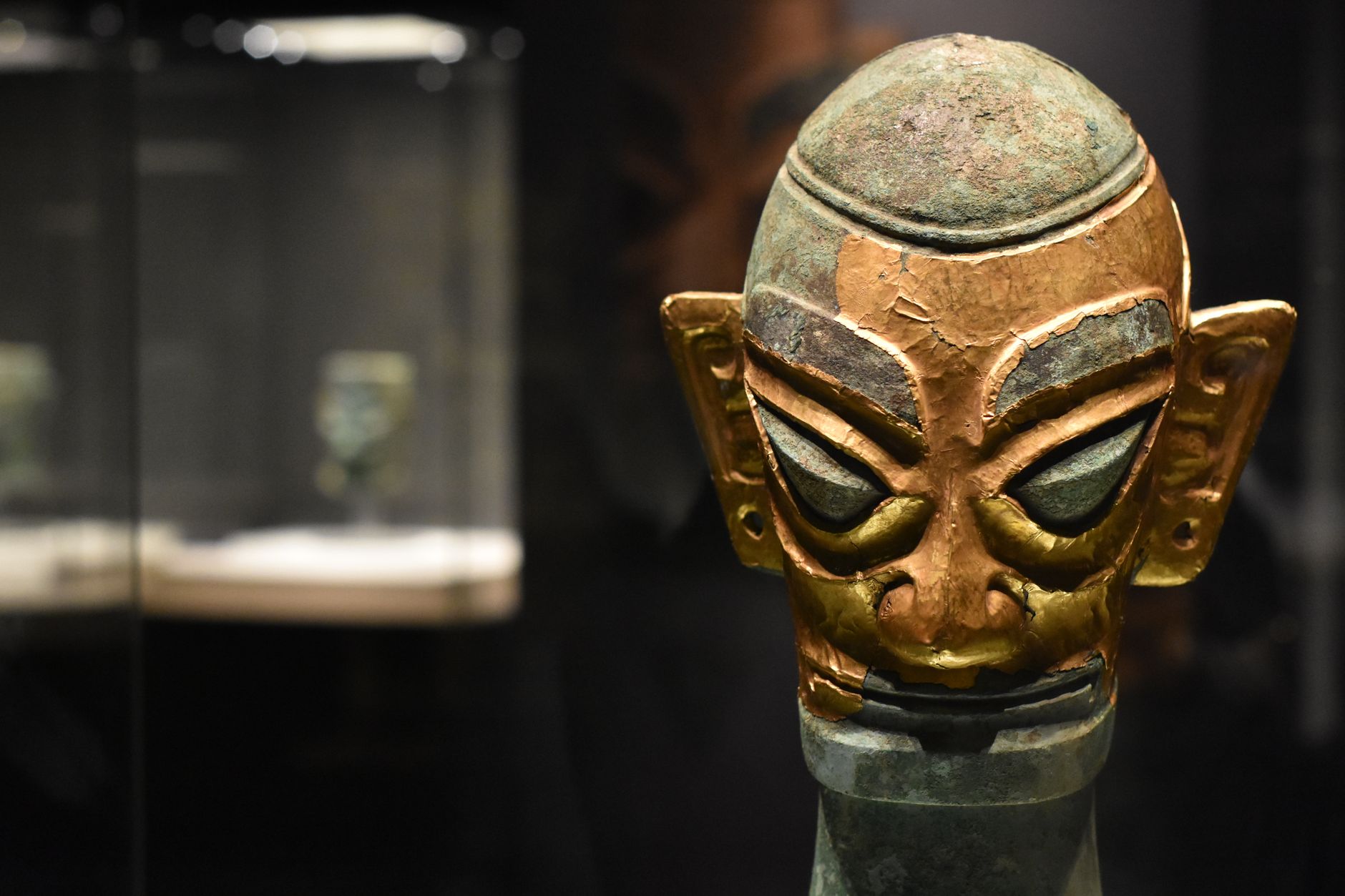
Attractions
Weltkulturen Museum Frankfurt: Collection, Exhibitions & Tips
The Weltkulturen Museum on Frankfurt's Schaumainkai: its ethnographic collection of around 65,000 objects, the no-permanent-display principle, opening hours, admission and tips from a local.
Katharina Vogt14 July 2026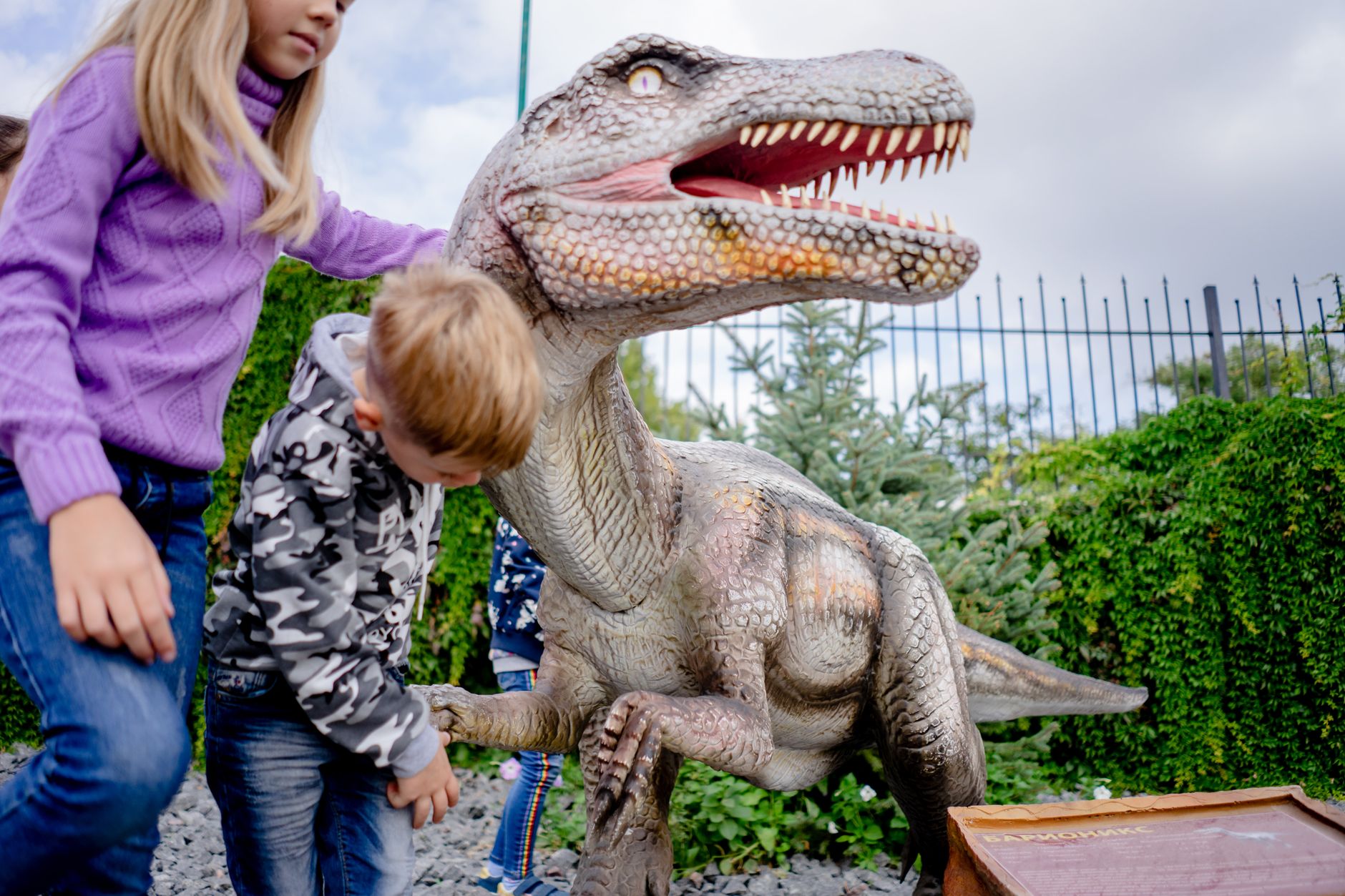
Attractions
Museums for Children in Frankfurt: The Best for Families
Frankfurt's most child-friendly museums at a glance: the Senckenberg with its dinosaurs, the hands-on Experiminta centre, the Young Museum at the Saalhof, the Film Museum and the Struwwelpeter Museum — with verified prices and addresses (as of 2026).
Katharina Vogt29 June 2026