Museums for Children in Frankfurt: The Best for Families
Dinosaur skeletons, 200 hands-on stations and history you can touch: five Frankfurt museums that genuinely delight children — with current prices, addresses and my advice on which one suits which child.

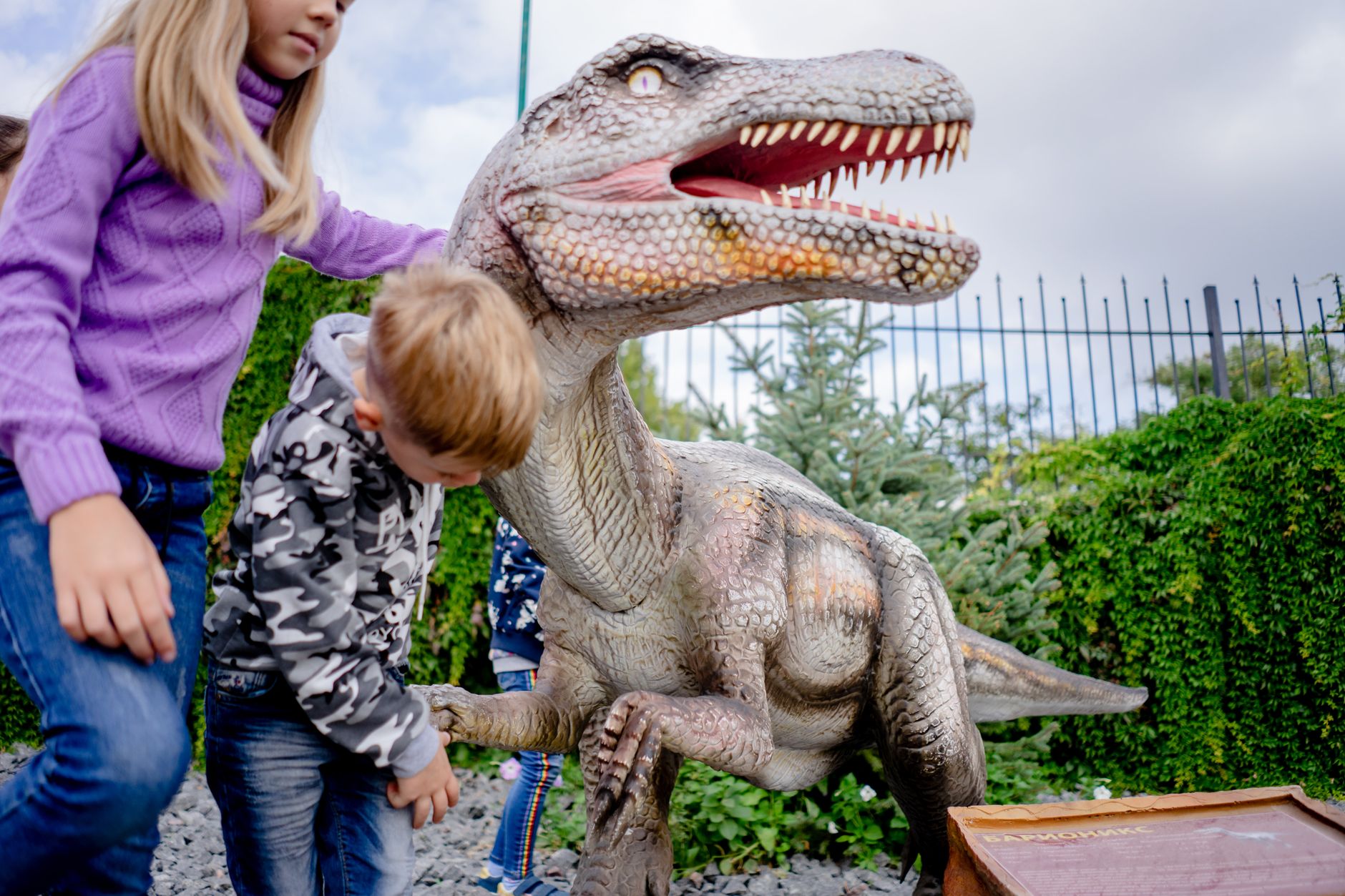
To many people Frankfurt is a city of banks and nothing else. Arrive with children, though, and you discover that between the towers lies one of the densest concentrations of museums in Europe — and that a surprising number of them favour cranking, pressing and doing over “please don’t touch”. I grew up in Frankfurt and visited nearly all of these houses as a child; these days I go back with my godchild, and I keep noticing how well many of them have aged. What follows are my honest recommendations — with the admission prices and addresses that apply in summer 2026, and with what makes each one genuinely worthwhile for children.
Senckenberg Natural History Museum: the dinosaurs everyone wants to see
No Frankfurt museum sits at the top of children’s lists as reliably as the Senckenberg — and the reason is waiting in the very first halls: life-sized dinosaur skeletons. The star is an 18-metre Diplodocus, the first large dinosaur skeleton the museum displayed, back in 1907. It is joined by a Tyrannosaurus rex, a Triceratops (with two genuine skulls of the species Triceratops horridus) and the crested Parasaurolophus. My own favourite is the “dino mummy”, a duck-billed hadrosaur on which even skin impressions have survived. From there you move on to the world-famous fossils from the Messel Pit — tiny early horses such as Eurohippus — to marine reptiles and an Archaeopteryx. For curious hands there is the Aha?! research workshop, where children can use microscopes and investigate for themselves (most days from 10 a.m., but Tuesdays and Thursdays only from 1 p.m.).
The museum is at Senckenberganlage 25, 60325 Frankfurt, in the university quarter of Bockenheim, a few minutes from Bockenheimer Warte (U4/U6/U7). Admission (as of 2026): adults €12, children aged 6 to 17 €6, under-6s free, family ticket (two adults and up to three children) €30. If you can be flexible, come on a Wednesday: the museum stays open until 8 p.m., and from 5 p.m. the adult ticket costs just €6. Otherwise it opens Monday to Friday 9 a.m.–5 p.m. and 9 a.m.–6 p.m. at weekends and on public holidays. One note for families with a pushchair: the lift is being refurbished into early September 2026, so if you depend on it, do check in advance. I’ve set out how best to plan the visit by age in the dedicated Senckenberg article.
Experiminta: 200 stations to try out
When my godchild gets to choose, we end up at Experiminta. This hands-on centre on Hamburger Allee is all about doing it yourself: across four floors wait around 200 experiment stations from maths, science and technology — from robotics and programming stations through physics experiments to hands-on engineering puzzles. Nothing sits behind glass; here, touching is positively encouraged. For children who would rather do than watch, this is the ideal place, and on a rainy day you can happily spend half a day without a hint of boredom setting in.
Address: Hamburger Allee 22–24, 60486 Frankfurt, near the trade-fair grounds; trams stop right on Hamburger Allee. Prices (as of 2026): adults €14, children from age 6 and concessions €9.50, children aged 3 to 5 €3.50, under-3s free. Family tickets start at €30 (one adult plus two children) or €33 (two adults plus up to three children under 18). One thing to plan around: outside the Hessian school holidays, Experiminta only opens on weekday mornings until 2 p.m. and is then busy mainly with school groups. It’s calmer at weekends (10.30 a.m.–5.30 p.m.) and during the holidays, when it opens daily — much more relaxed with smaller children.
Young Museum at the Römerberg: history you’re allowed to touch
Right on the Römerberg, in the historic Saalhof, sits the Young Museum — part of the Historical Museum and one of the oldest children’s museums in Germany. Instead of display cases there are changing hands-on exhibitions that make history graspable; in summer 2026, for instance, “Damals 1410 (Back in 1410)”, a journey into medieval Frankfurt. The programme is aimed at families with children from around preschool age upwards, with workshops for making and investigating. The big plus for the family budget: across the whole Historical Museum, admission is free for children and young people under 18; adults pay €8 for the permanent exhibitions, or €12 for everything together.
Address: Saalhof 1, 60311 Frankfurt; from the Dom/Römer U-Bahn station (U4/U5) or the tram stops by the Römer (lines 11/12) it’s about a five-minute walk across the Römerberg towards the Main. Open Tuesday to Sunday 11 a.m.–6 p.m., closed Mondays. If your children get a taste for it, the large Historical Museum next door is well worth it too — with its famous scale model of the city and views over the river.
Deutsches Filmmuseum (DFF): how pictures learn to move
On the Sachsenhausen Museumsufer stands the German Film Museum, for me one of the loveliest places to show children how cinema is made. The permanent exhibition begins with the optical toys from the era before film: zoetropes that conjure movement from single pictures, magic lanterns and a camera obscura you can operate yourself. A floor higher it turns to editing, sound and storytelling — with stations where children can try out how strongly music and montage change the effect of a scene. There is also a dedicated children’s cinema and regular workshops for families, in which the little ones might, say, put together a short animated film themselves.
Address: Schaumainkai 41, 60596 Frankfurt; take the U-Bahn to Schweizer Platz (U1/U2/U3/U8) or Willy-Brandt-Platz (U4/U5), or tram 15/16 to Schweizer-/Gartenstraße. Admission to the permanent exhibition (as of 2026): adults €8, reduced €4, children under 6 free. So unlike the municipal houses, entry here is not automatically free for everyone under 18 — school-age children pay the reduced rate. There’s more on the programme, cinema screenings and temporary exhibitions in the detailed Film Museum article.
Struwwelpeter Museum: the most famous shock-headed boy in the world
“Struwwelpeter” is a Frankfurt invention: the physician Heinrich Hoffmann wrote the picture book in 1844 because he couldn’t find a suitable Christmas present for his young son. The Struwwelpeter Museum in the New Old Town tells its story with rare editions, parodies and illustrations — and, crucially for children, with a dedicated children’s area, a free audio-guide app featuring “the Museum Mouse” as a children’s tour, plus holiday and birthday programmes. It’s a compact museum you can do in a good hour, which makes it perfect to combine with a wander through the lanes of the New Old Town.
Address: Hinter dem Lämmchen 2–4, 60311 Frankfurt, in the heart of the DomRömer quarter. Open Tuesday to Sunday 11 a.m.–6 p.m. Admission (as of 2026): adults €8, reduced €4, children under 6 free, family ticket (two adults, up to four children) €20. All the details, including the child-friendly tours, are in the Struwwelpeter article.
Museum of Communication: from postman to smartphone
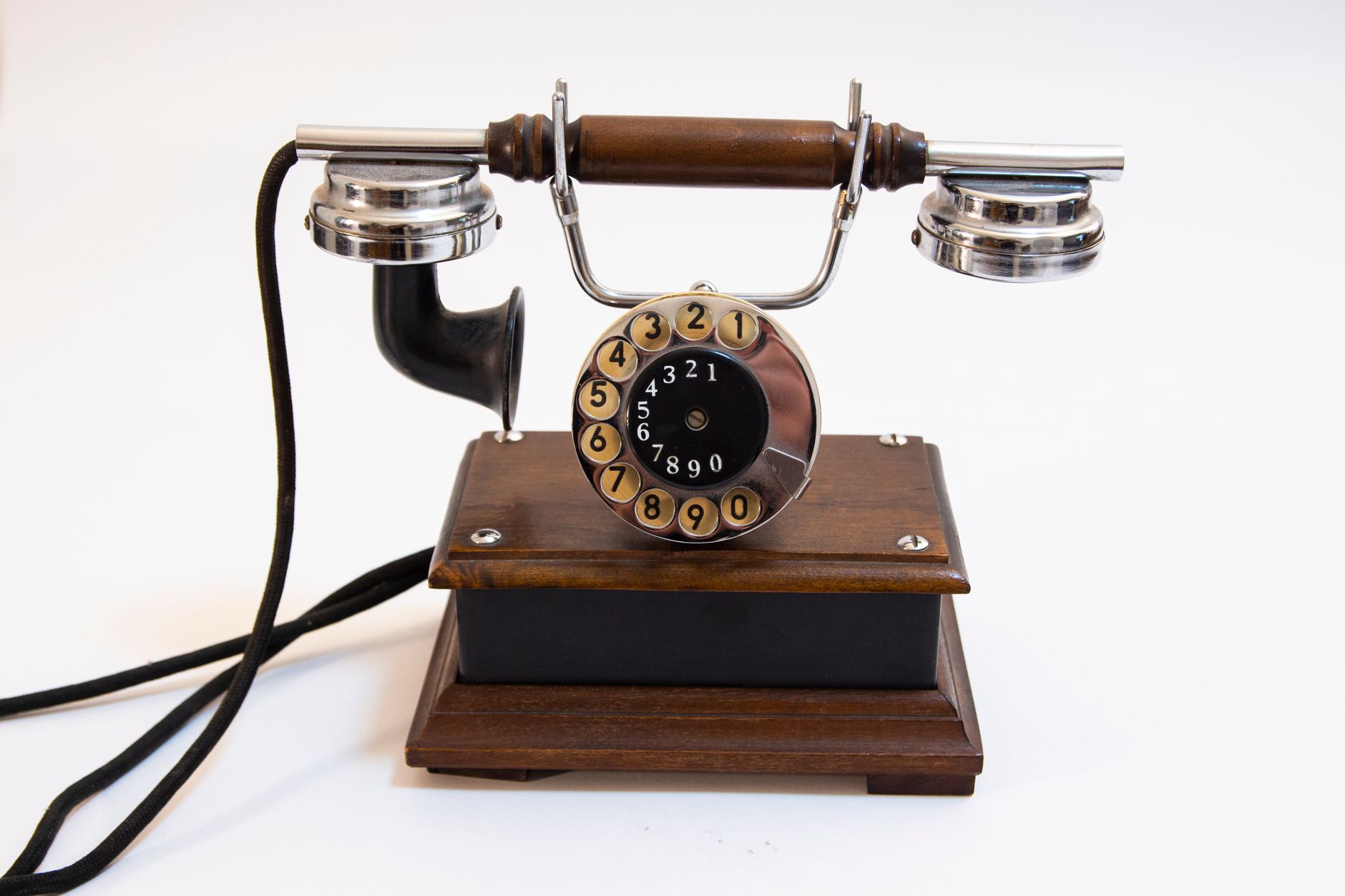
A few houses along the Museumsufer stands the Museum of Communication, which I underestimated for a long time — until I went with children. Much of it can be touched, there is a lively children’s workshop, and even the entrance produces a moment of wonder: a large group of sculptures in the light-filled atrium. Here children grasp, through play, how messages have evolved from the mail coach through the telephone and teleprinter to the smartphone — with objects to turn, press and try out. Address: Schaumainkai 53, 60596 Frankfurt, just a few steps from the Film Museum. The two combine beautifully into a single Museumsufer day.
And Explora? An honest note
Older guidebooks still often list the Explora, the little 3-D, hologram and optical-illusion museum on Glauburgplatz in the Nordend. Don’t plan a trip around it any more: the museum has closed and its website no longer works. If it’s the “try it and marvel” effect you’re after, you’re better served at Experiminta or the Film Museum in any case — there the concept is livelier and far more current.
When it shouldn’t be a museum: zoo and Palmengarten
Not every child can last a whole day indoors. Two classics catch that. Frankfurt Zoo at Bernhard-Grzimek-Allee 1 in the Ostend (U6/U7 to Zoo) pairs animals with real education: it runs its own zoo school, and in the Grzimek House you watch bats and other creatures of the dusk in dimmed light. The Palmengarten in the Westend, meanwhile, offers tropical glasshouses, sweeping lawns and the little Palmengarten railway — ideal for burning off energy between two museum visits. For more ideas on grey days, I’ve gathered plenty under Frankfurt with kids in the rain.
How to plan the visit — and save while you’re at it
A few things I set out to do every time, and they make the difference between a lovely day and an exhausting one:
- Use the free entry: in the municipal houses — the Historical Museum with its Young Museum first among them — children and young people under 18 pay nothing at all. That eases the family budget noticeably.
- Check the Museumsufer Ticket: if you want to visit several riverside houses over one weekend, the Museumsufer Ticket works out cheaper, valid on two consecutive days for around three dozen museums.
- Come in the morning: Experiminta and the Senckenberg in particular are often full of school groups in the morning and grow calmer by early afternoon — though in the holidays the reverse is true, and mornings are the most relaxed.
- Build in breaks: children fill up on impressions quickly. Better one hall fewer, and a bench, an ice cream and some fresh air in the courtyard.
Which house suits which child is, in the end, easy to answer: nature fans and budding dinosaur researchers belong in the Senckenberg, tinkerers and makers in Experiminta, history-loving primary-schoolers in the Young Museum, small cinephiles in the Film Museum, and anyone who loves books and stories will love the Struwwelpeter Museum. For a full day, two neighbouring houses combine well — the Film Museum and the Museum of Communication, say, or the Young Museum and a stroll through the old town. And when the big hunger arrives afterwards, you’ll find family-friendly addresses in my piece on eating out with kids in Frankfurt. That way the museum visit becomes not a chore but the part of the day the children tell you about at home in the evening.
Keep reading
Attractions
Museum of Communication Frankfurt: Behnisch Building, Tickets & Tips
The glass Behnisch building on the Museumsufer, Nam June Paik's robot Pre-Bell-Man and hands-on stations for children: admission, opening hours and tips for the Museum of Communication Frankfurt.
Katharina Vogt23 June 2026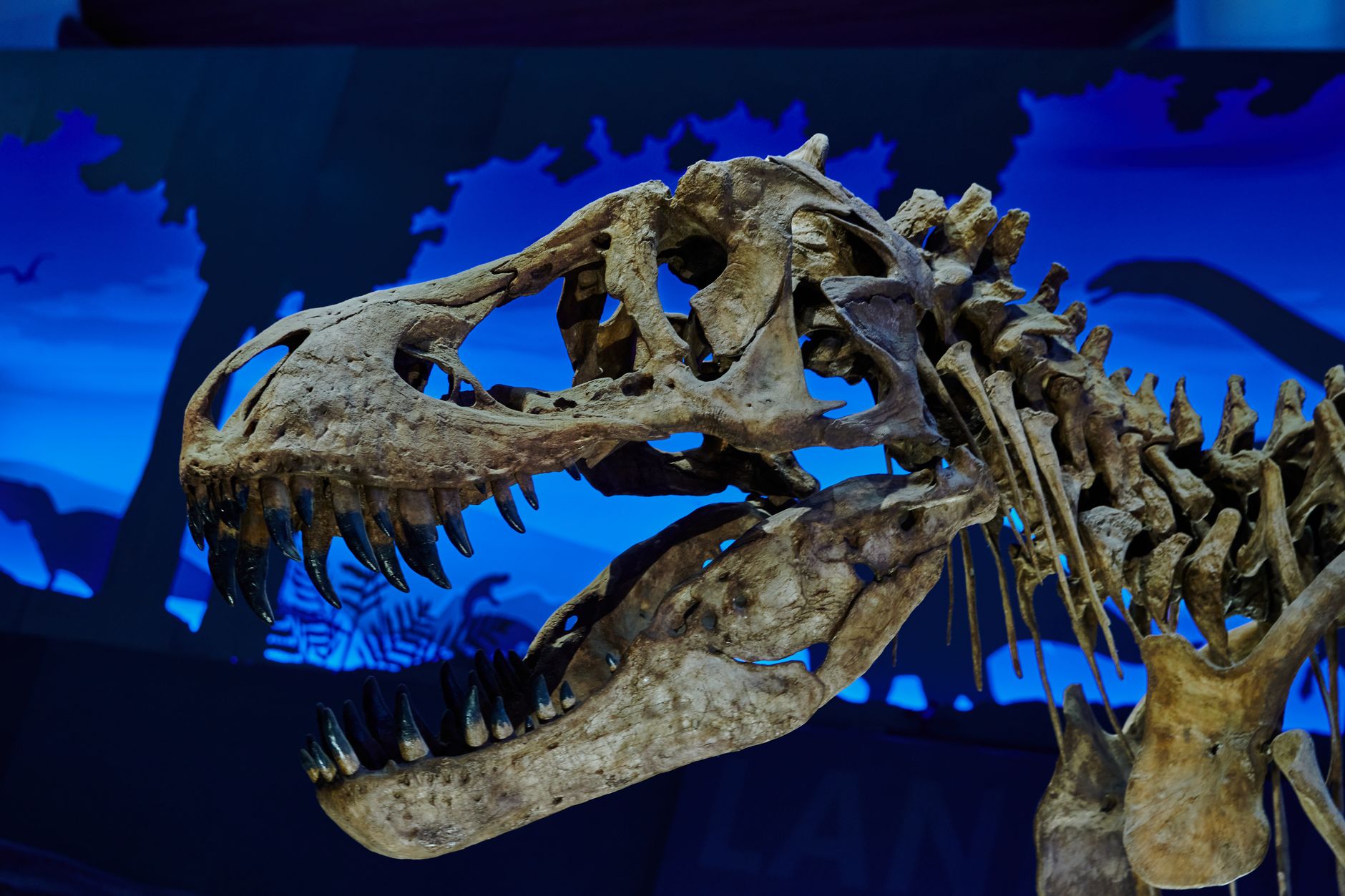
Attractions
Senckenberg Natural History Museum Frankfurt: Dinos, Messel & Tips
From the 18-metre Diplodocus and a genuine dinosaur mummy to the world-famous Messel fossils: current admission prices, opening hours, highlights and family tips for the Senckenberg Natural History Museum — from a local.
Katharina Vogt19 June 2026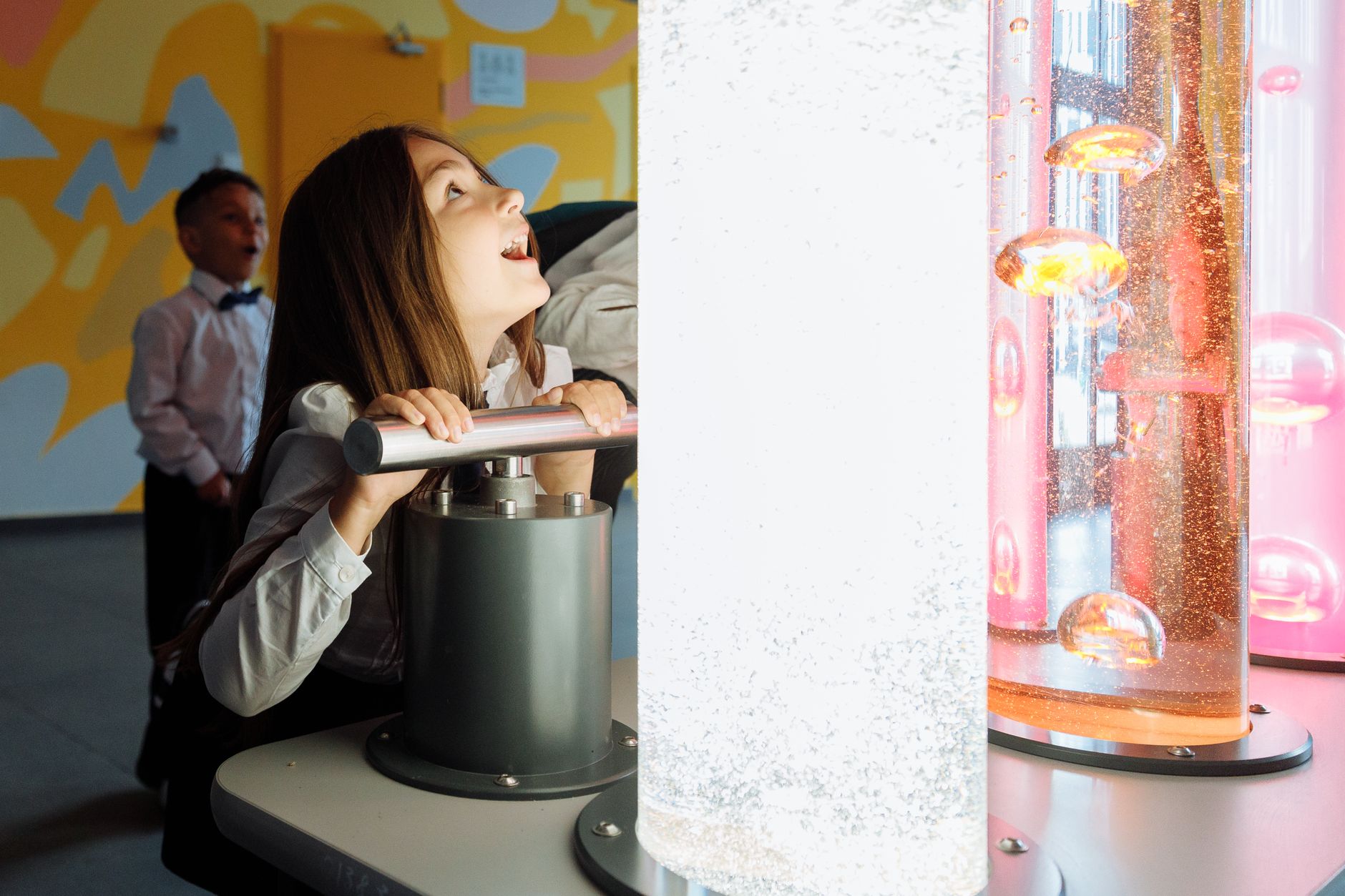
Attractions
Frankfurt with Kids in the Rain: Pools, Play & Indoor Fun
A rainy day in Frankfurt with children? Leisure pools with slides, an indoor playground, a climbing hall, ice skating and the animal houses of the zoo and Palmengarten — every venue with address, prices and how to get there (as of 2026).
Katharina Vogt26 July 2026
Attractions
Struwwelpeter Museum Frankfurt: Heinrich Hoffmann, Tickets & Tips
The Struwwelpeter and Heinrich Hoffmann Museum in Frankfurt's New Old Town (Hinter dem Lämmchen 2–4): how the world's most famous shock-headed boy was created in 1844, what the exhibition shows, plus admission, hours and how to get there (as of 2026).
Katharina Vogt11 July 2026