Museum of Communication Frankfurt: Behnisch Building, Tickets & Tips
From the mail coach to the smartphone: inside Günter Behnisch's glass building on the Schaumainkai, the history of communication becomes something you can touch — what it costs, when to come most peacefully, and why families are in exactly the right place.

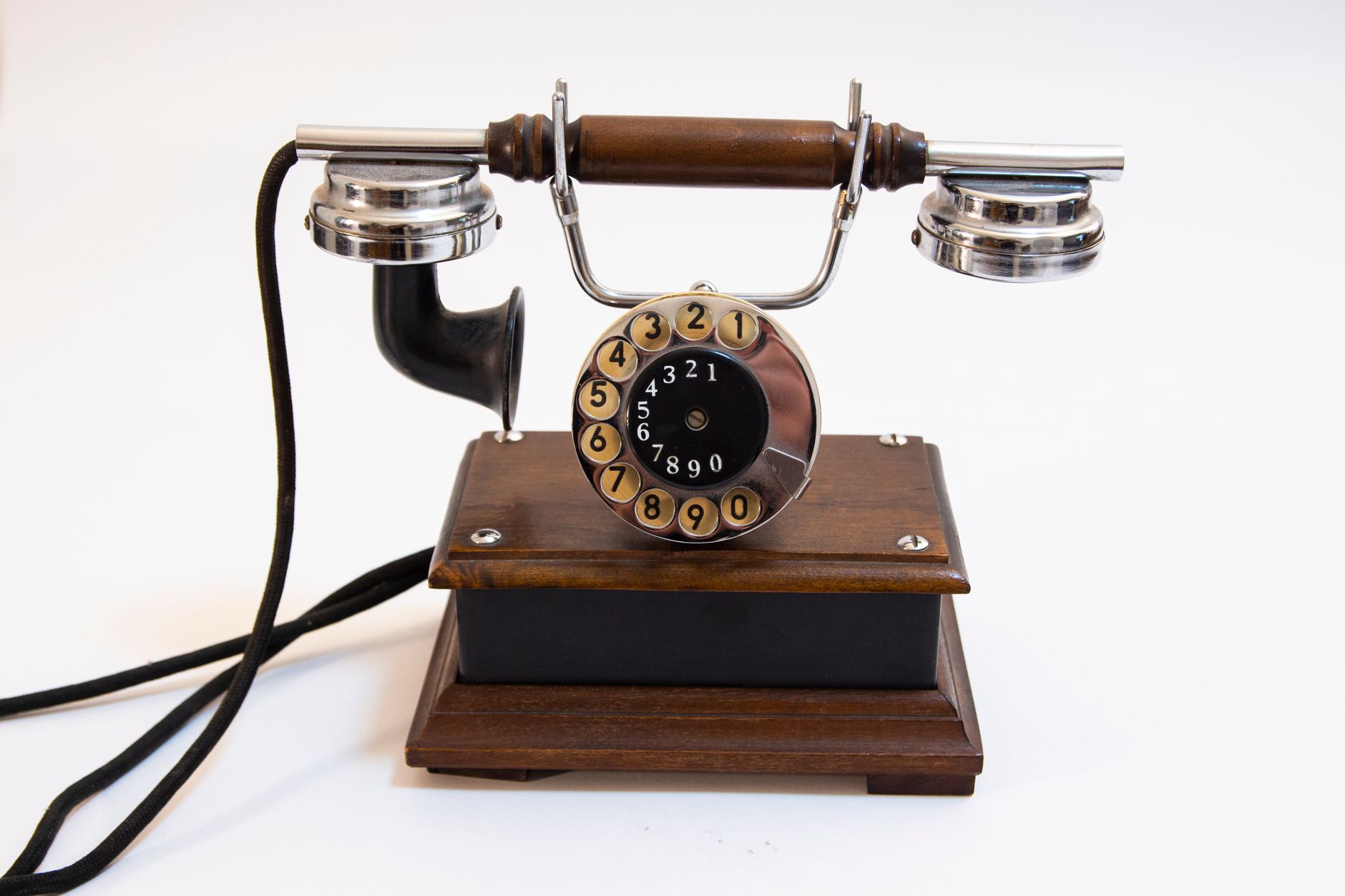
When did you last write a proper letter — by hand, in an envelope, with a stamp? And could you imagine then waiting days for a reply, without glancing at your phone to see if it had buzzed? The Museum of Communication on the Schaumainkai asks exactly these questions, and answers them in the loveliest way: with mail coaches, rotary-dial telephones, old televisions — and a robot horseman built from discarded radios. For me it’s the most family-friendly house on the entire Museumsufer, and one of the few museums in Frankfurt where you get to try things out rather than merely look.
A glass building that wants to show openness
The building tells a story before you even reach the exhibits. This striking, light-filled museum was designed by Günter Behnisch and his practice Behnisch & Partner — the same architect who gave Munich’s Olympic Park its floating roofs. It opened in 1990, and all that glass is no accident: a rather closed-off postal museum was meant to become an open, public cultural venue, and transparency was the architectural statement to match. Step through the bright entrance hall, let your eye travel across the ramps, galleries and the airy atrium, and you feel the idea at once. The architecture alone is worth a moment’s pause before you plunge into the collections.
”Pre-Bell-Man”: a robot greets you
The first wow moment waits right in the foyer. There stands “Pre-Bell-Man”, a sculpture by the Korean-American video-art pioneer Nam June Paik: a rider high on horseback, assembled entirely from old radios, television sets and cables. The tongue-in-cheek title refers to the era “before Bell” — that is, before Alexander Graham Bell and the invention of the telephone. For a museum that tells the story of communicating, it’s the perfect welcome: media art, the history of technology and a dash of humour in a single figure. My children always wanted to see this robot first — and honestly, so did I.
From cuneiform to data glasses
The centrepiece is the permanent exhibition “Mediengeschichte(n) neu erzählt!” (Media History Retold). It tells the story of exchange not as a dutiful chronology but across around 44 thematic islands that span a huge arc — from cuneiform script to data glasses. Four guiding ideas run through it all: acceleration, networking, control and participation. In this way, objects from very different eras suddenly find themselves in conversation with one another.
In concrete terms, that means you’ll come across historic mail coaches and a restored DAAG postal bus from 1925 — the last surviving vehicle of its type. Alongside them: letterboxes, rotary-dial telephones, typewriters, hefty valve radios and televisions, and finally the familiar devices of our own day. Since late 2025 there are also new “AI islands”, where artificial intelligence becomes the subject — among other things, you can talk to a language model modelled on the computing pioneer Alan Turing.
The lovely thing is that it’s never only about technology, but always about the people behind it. What did it feel like to wait days for a letter? What did the telephone change in families and businesses? And how does constant availability shape us today? It’s precisely this juxtaposition that gives the museum its pull — you suddenly grasp that every seemingly new technology has a long prehistory.
Art, design and objects with a story
Between the technical exhibits, surprising works of art keep turning up. In dedicated art spaces hang pieces by Salvador Dalí, Joseph Beuys and Andy Warhol, along with a fine collection of mail art — art created specifically to be sent through the post. Anyone who loves design will linger over the design icons of media history: telephones, televisions and gadgets that not only worked but visually defined whole decades. That a communication museum places such value on form and art is, to me, one of its most endearing traits.
Why children don’t have to sit still here
And now the reason I recommend the place so often to families: here you’re allowed to get stuck in. Much of it is meant to be touched, operated and tried out — communication to join in with, not just to look at. The heart of it for the little ones is the lively children’s workshop on the first upper floor, where you build and tinker yourself. Speech tubes run through the building, letting you call out to each other across several levels — enormous fun. Down in the basement, stations invite you to think about the future and record your own voice. That turns an essentially abstract subject into something children grasp with their hands and ears.
It also makes the museum one of my first tips for a rainy day and a fixture on any list of good museums for children in Frankfurt. When the typical Frankfurt drizzle sets in, you’re in excellent hands here — for more ideas on days like that, see my piece on Frankfurt with kids in the rain.
Changing special exhibitions
Alongside the permanent display there’s always at least one temporary exhibition, often interactive and surprisingly topical. In 2026, for example, “Design Icons of Media History” was on show (from July 2026), plus a major reckoning with artificial intelligence under the title “20+1: Twenty and (Your) Perspective on Artificial Intelligence”. Because the programme keeps changing, it’s worth a quick look at mfk-frankfurt.de before you go — then you’ll know what’s on in addition to the permanent exhibition.
Admission and opening hours (as of 2026)
Admission is pleasantly moderate (as of 2026):
- Adults (18 and over): €9.00
- Reduced: €5.00
- Children and young people (6–17): €3.00
- Children under 6: free
Children under 14 may only enter accompanied by an adult. If you plan to visit several houses along the riverbank, the Museumsufer Ticket (two days, many museums) or the Museumsufer Card for a whole year almost always pays off.
Opening hours (as of 2026):
- Tuesday & Thursday: 9 a.m. to 5 p.m.
- Wednesday: 10 a.m. to 8 p.m.
- Friday, Saturday, Sunday & public holidays: 10 a.m. to 6 p.m.
- Monday: closed
My tip: make use of the long Wednesday until 8 p.m. It’s far quieter than the weekend, the hands-on stations are free, and you can slot the visit in comfortably after work. On public holidays the times may differ.
How to reach the Museumsufer
The museum is at Schaumainkai 53, 60596 Frankfurt am Main, in the middle of the Museumsufer in Sachsenhausen, Frankfurt’s dense museum mile on the south bank of the Main. The most convenient way to arrive is by U-Bahn: from Schweizer Platz station (U1/U2/U3/U8) it’s only a few minutes’ walk, and several bus routes stop right along the riverbank. Loveliest of all is the walk from the Römer — across the Eiserner Steg footbridge to the Sachsenhausen side and then along the water. I’d advise against the car: parking here is scarce.
The great advantage of this location is that the neighbours come as part of the deal. Just a few doors along sits the Film Museum (DFF), and the Städel and the Museum of Applied Arts are within walking distance too. So if you fancy it, you can turn the visit into a whole day of culture by the river. In late August, for the Museumsuferfest, the entire promenade becomes one big festival anyway.
My afternoon at the Museum of Communication
When friends ask me how to spend an afternoon here, I recommend this order: first a quick hello to “Pre-Bell-Man” in the foyer, then work down through the permanent exhibition from top to bottom — the children’s workshop and the early forms of communication upstairs, the future stations and the AI islands below. If you’re coming with children, allow twice as much time as you think for the hands-on stations. Finish with a look at the current special exhibition, then head out to the water for a stroll with a skyline view.
For me the Museum of Communication remains one of the most honest and warmest houses in the city: no steep admission, no “do not touch”, no reverent museum hush — just a place where you try out for yourself how people stayed connected across the centuries. And I promise you: you’ll leave the building with a slightly different view of the smartphone in your pocket.
Keep reading
Attractions
Museums for Children in Frankfurt: The Best for Families
Frankfurt's most child-friendly museums at a glance: the Senckenberg with its dinosaurs, the hands-on Experiminta centre, the Young Museum at the Saalhof, the Film Museum and the Struwwelpeter Museum — with verified prices and addresses (as of 2026).
Katharina Vogt29 June 2026
Attractions
Städel Museum Frankfurt: Tickets, Opening Hours & Highlights
The Städel Museum on Frankfurt's Museumsufer: 700 years of art from Botticelli and Vermeer to Monet, the underground Garden Halls, opening hours, admission prices and the Tuesday Special.
Katharina Vogt22 June 2026
Attractions
Struwwelpeter Museum Frankfurt: Heinrich Hoffmann, Tickets & Tips
The Struwwelpeter and Heinrich Hoffmann Museum in Frankfurt's New Old Town (Hinter dem Lämmchen 2–4): how the world's most famous shock-headed boy was created in 1844, what the exhibition shows, plus admission, hours and how to get there (as of 2026).
Katharina Vogt11 July 2026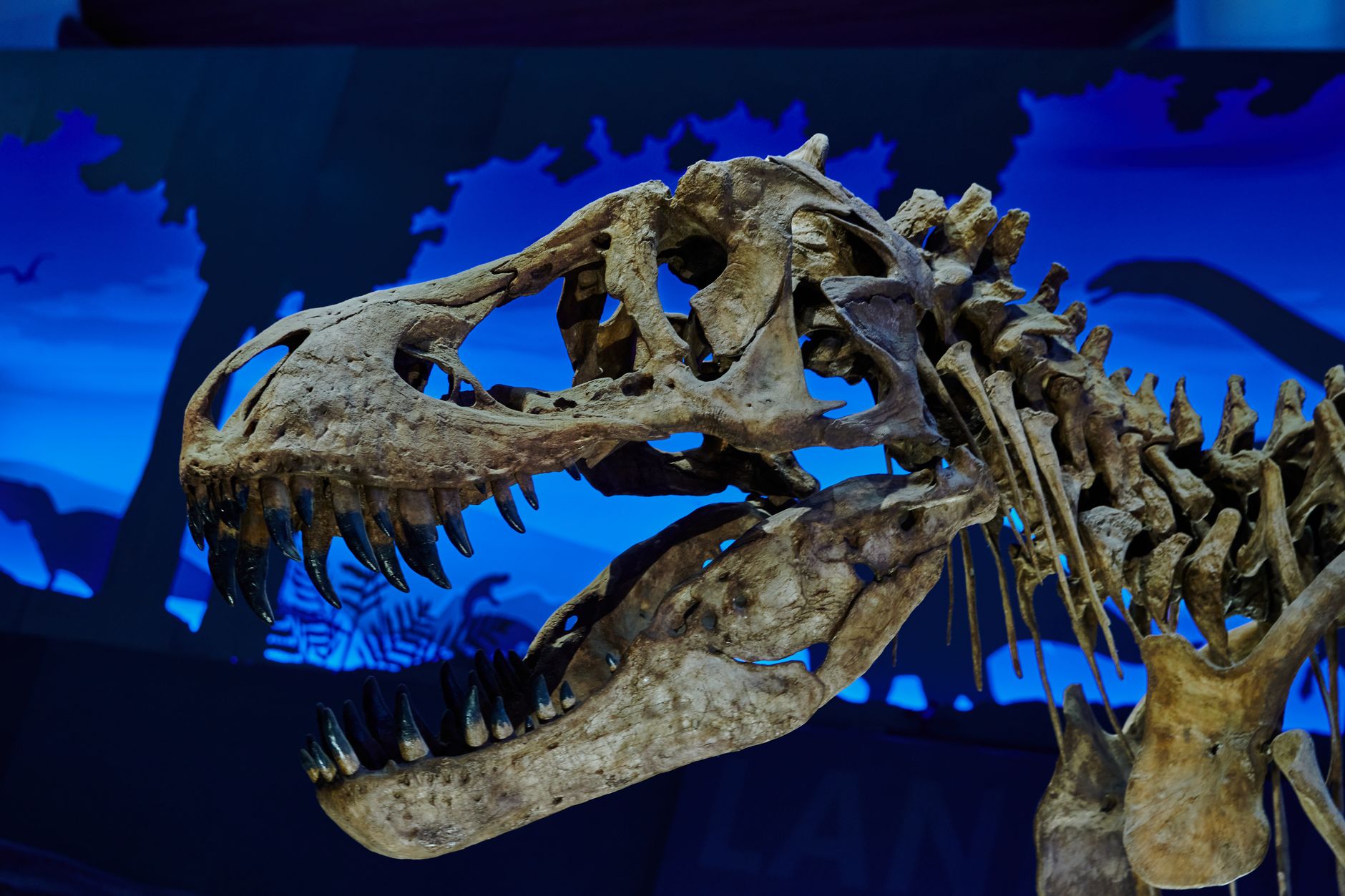
Attractions
Senckenberg Natural History Museum Frankfurt: Dinos, Messel & Tips
From the 18-metre Diplodocus and a genuine dinosaur mummy to the world-famous Messel fossils: current admission prices, opening hours, highlights and family tips for the Senckenberg Natural History Museum — from a local.
Katharina Vogt19 June 2026