Struwwelpeter Museum Frankfurt: Heinrich Hoffmann, Tickets & Tips
The world's most famous shock-headed boy was invented on a Frankfurt doctor's desk. The Struwwelpeter Museum in the New Old Town tells the story of the book — and of its many-sided creator, Heinrich Hoffmann.

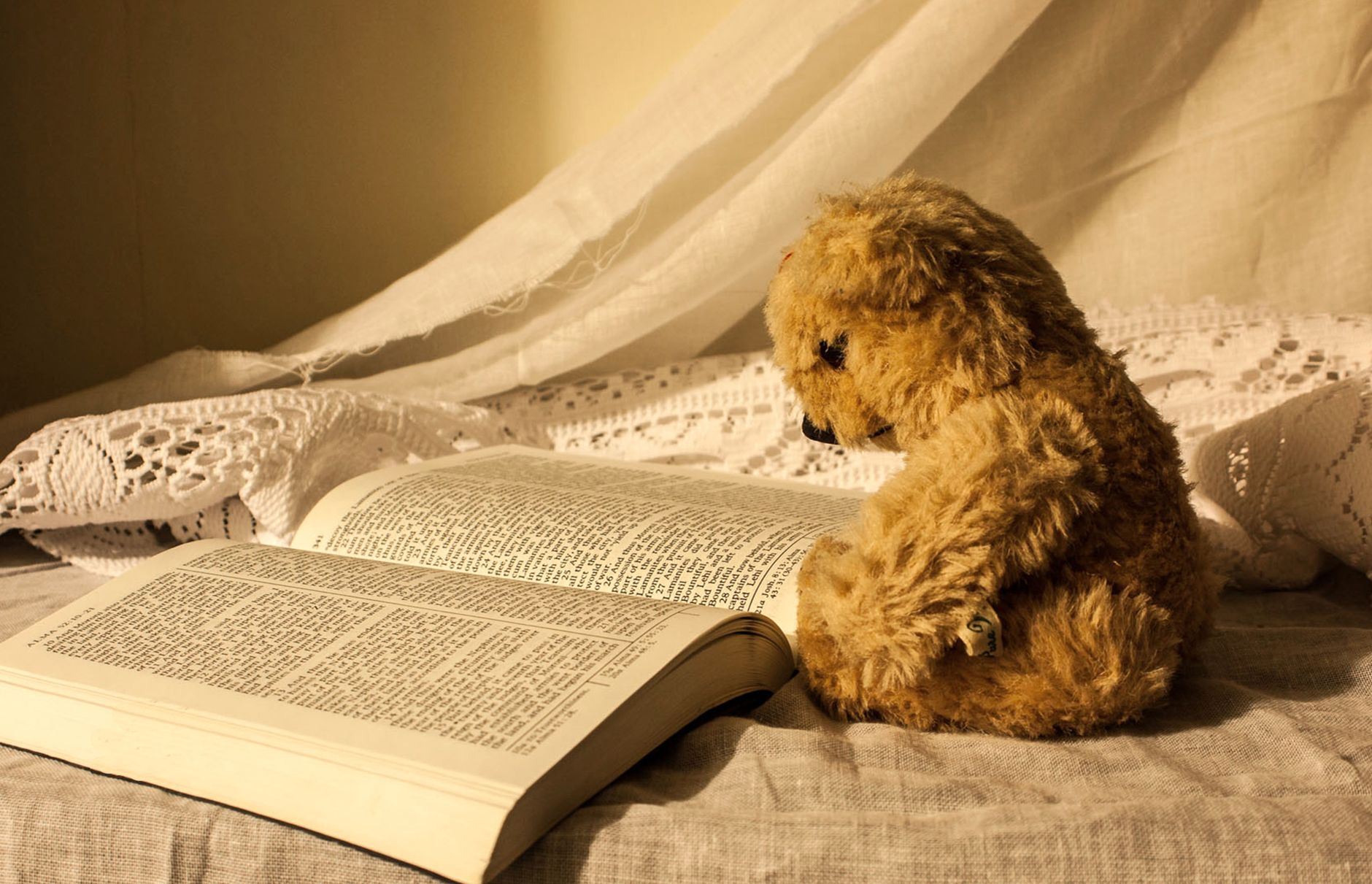
The world’s most famous shock-headed boy was invented barely three minutes’ walk from the Römer — on the desk of a Frankfurt doctor who was really just looking for a Christmas present. That “Struwwelpeter”, of all books, comes from the heart of this city and has since been translated into dozens of languages surprises most visitors. It is exactly this double story — the book’s, and that of its many-sided creator Heinrich Hoffmann — that the Struwwelpeter Museum in the New Old Town sets out to tell. Let me walk you through how the classic came about, through the two narrow half-timbered houses where it now lives, and how best to fold the visit into an afternoon in the old town.
A children’s book that began as a Christmas gift
The tale the museum turns from legend into documented history goes like this: in Advent 1844, the Frankfurt physician Heinrich Hoffmann wanted to buy his three-year-old son Carl a picture book. In the shops he found only what he loathed all his life — stiff, moralising volumes with a wagging finger. So he bought a blank exercise book and wrote and drew his own instead: crude, funny, drastic little stories in language children actually understand.
That private notebook became a global success. The Frankfurt publisher Zacharias Löwenthal — whose house later traded as Rütten & Loening — talked Hoffmann into publishing it. In the autumn of 1845 the book appeared under the pen name “Reimerich Kinderlieb” with the unwieldy title “Lustige Geschichten und drollige Bilder” (roughly, “Funny Stories and Droll Pictures”). The first print run of 3,000 copies sold out fast. Only later editions took the name of the opening figure: “Der Struwwelpeter”. It has since been translated into more than 40 languages and dialects; Mark Twain produced an English version that became known as “Slovenly Peter”. This worldwide spread — from early hand-coloured editions to modern parodies — forms one of the collection’s real strengths.
Ten stories you never forget
Anyone who has read “Struwwelpeter” once carries its characters around for life. The book gathers ten stories, and in the museum you meet them all again — as illustration, as play station, as larger-than-life figure.
- Struwwelpeter himself opens the book: the boy who won’t have his nails trimmed or his hair combed.
- Suppenkaspar (Soup-Kaspar) refuses his soup — and is dead within five days.
- Zappelphilipp (Fidgety Philip) rocks on his chair until he drags the whole tablecloth and crockery down with him.
- In the sad story of the matches, little Paulinchen plays with the matchbox despite the warnings of the cats Minz and Maunz, and burns to death.
- The thumb-sucker Konrad has his thumbs snipped off by the tailor, who bursts in with a giant pair of scissors.
- And there are Cruel Frederick, the Wild Huntsman, Johnny Head-in-Air, who tumbles into the river while daydreaming, and Flying Robert, whom a storm carries off along with his umbrella.
You notice quickly that this is no cosy bedtime reading. The stories are drastic, and some read as awkward today — “The Story of the Inky Boys”, for one, is rightly regarded as racist. The museum doesn’t hide such passages; it contextualises them and turns them into a starting point for talking about the era that produced them. That is what lifts the house above mere nostalgia.
The doctor behind the shock-headed boy
What fascinates many visitors most is the second half of the exhibition — the one about the man himself. Heinrich Hoffmann (1809–1894) was far more than a picture-book author. He studied medicine, practised first in Sachsenhausen and treated, at a clinic for the poor, people who could never otherwise afford a doctor. In 1851 he took over as director of the “Anstalt für Irre und Epileptische”, Frankfurt’s asylum for the mentally ill and epileptic.
Hoffmann was a reformer. He treated mental illness as illness rather than moral failure — anything but obvious in his day. On his urging, a modern new clinic opened in 1864 on the Affenstein, which Frankfurters reverently nicknamed the “Irrenschloss” (madhouse castle) because its neo-Gothic bulk loomed over the city like a fortress. He lived and worked there with his family until his retirement in 1888. That the German term “Zappelphilipp syndrome” is still shorthand for ADHD is no accident: a direct line runs from the picture book to child psychiatry. Fittingly, the museum is run by the Frankfurter Werkgemeinschaft, a non-profit inclusion enterprise linked to Caritas in which people with and without disabilities work side by side — Hoffmann’s social conscience, carried on into the day-to-day running of the museum.
From the Westend to the New Old Town
The museum is itself a small piece of Frankfurt history. Founded in 1977, it spent decades tucked away rather anonymously at Schubertstraße 20 in the Westend. The big leap came in September 2019, when the collection moved into the reconstructed “Haus zum Esslinger” at Hinter dem Lämmchen 2–4 — right in the middle of the newly rebuilt Dom-Römer quarter. Today Struwwelpeter stands exactly where Hoffmann himself was a 19th-century Frankfurter. If you’d like to understand how this quarter was rebuilt, it’s worth reading my piece on the New Old Town beforehand.
What awaits you across the two houses
The collection spreads over two narrow, lovingly restored old-town houses and can be explored at a relaxed pace in one to two hours. On show are rare book editions, original illustrations, parodies and art around “Struwwelpeter” and its worldwide career. The biographical section brings together portraits, letters, sketches and early first editions, drawing Hoffmann as a psychiatry reformer, an engaged citizen, a humorous poet and a family man.
For families, the interactive part is the heart of it. Children roam across “story islands” and a play trail that make the tales tangible. In the theatre room you can dress up and act out the Struwwelpeter stories on a real little stage — in my experience the children’s favourite corner. There’s a craft table for drawing and making things, a game that sends you “around the world in 77 days” with the character Herr Fix von Bickenbach, and larger-than-life book figures to pose beside for photos. Because the house is step-free and run as an inclusion enterprise, the whole visit feels pleasantly unhurried. If you’re after more child-friendly destinations, my round-up of museums for children in Frankfurt has plenty of ideas.
Admission and opening hours (as of 2026)
For such a distinctive house, admission is refreshingly modest:
- Adults: €8.00
- Reduced (ages 6+, students, people with a disability of 50%+, Frankfurt-Pass holders): €4.00
- Children under 6: free
- Family ticket (2 adults + up to 4 children): €20.00
- Groups of 20 or more: €6.00 per person
Holders of the Frankfurt-Pass or the Kulturpass pay a reduced or merely symbolic amount, and children with Frankfurt’s “Kufti” culture ticket get in free. Timed tickets can be booked in advance through the museum shop, which saves queueing at weekends and in the school holidays.
The museum is open Tuesday to Sunday, 11 a.m. to 6 p.m.; it is closed on Mondays. Pre-booked groups can sometimes come from 10 a.m. On public holidays the times differ: the house is closed on 24, 25 and 31 December, and opens only for a short afternoon on 26 December and New Year’s Day. As prices and hours can change, a quick look at struwwelpeter-museum.de before you set off is worthwhile.
How to get there
The address is Hinter dem Lämmchen 2–4, 60311 Frankfurt am Main, in the Dom-Römer quarter. The easiest way to arrive is by U-Bahn: from Dom/Römer station (U4/U5) it’s just two or three minutes on foot. Alternatively, tram 11 or 12 drops you at the Römer/Paulskirche stop right by the door. I’d advise against the car — the old-town car parks (such as the Dom/Römer garage) are pricey and fill quickly at weekends, and by tram or U-Bahn you’re standing in the thick of things anyway.
My afternoon with Struwwelpeter
When friends visit with children, this is usually how I plan it: we start at the museum in the morning, while the little ones are still receptive and the theatre room isn’t overrun. Then it’s the few steps out onto the Römerberg, ice cream in hand, and through the lanes of the New Old Town with their reconstructed half-timbered façades. If there’s energy to spare, we tack on the historic old-town walk around the Römer — from the Hühnermarkt with its Stoltze fountain to the imperial cathedral, it’s all within walking distance.
The Struwwelpeter Museum is, to me, one of the most honest little houses in the city: it entertains children without underestimating them, and it trusts adults to discover, behind the famous shock-headed boy, a serious doctor and reformer. Give it the hour or two, read the verses aloud as you go, and you’ll understand why this slim book from Frankfurt has been travelling the world for almost 180 years.
Keep reading
Attractions
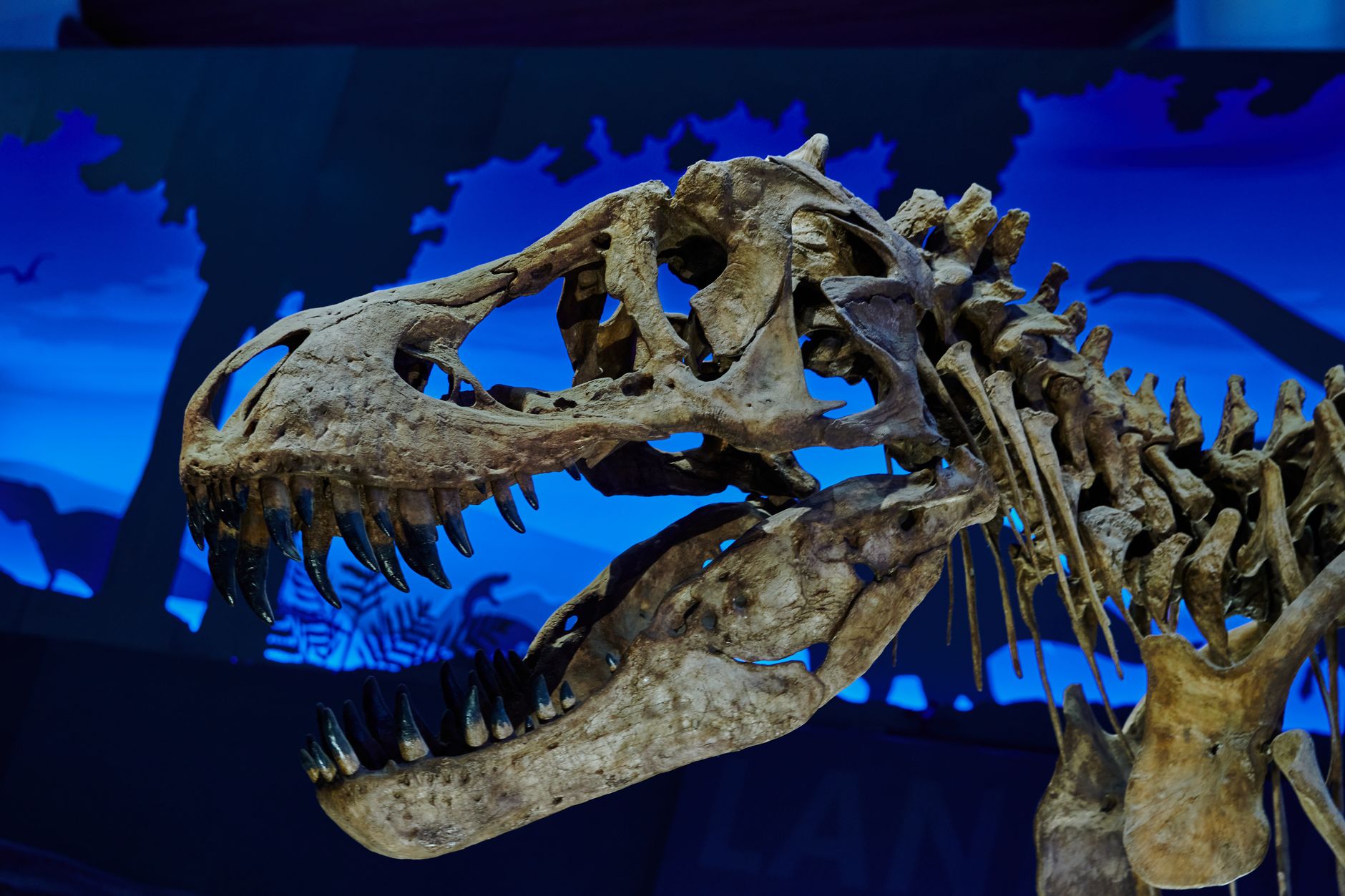
Senckenberg Natural History Museum Frankfurt: Dinos, Messel & Tips
From the 18-metre Diplodocus and a genuine dinosaur mummy to the world-famous Messel fossils: current admission prices, opening hours, highlights and family tips for the Senckenberg Natural History Museum — from a local.
Katharina Vogt19 June 2026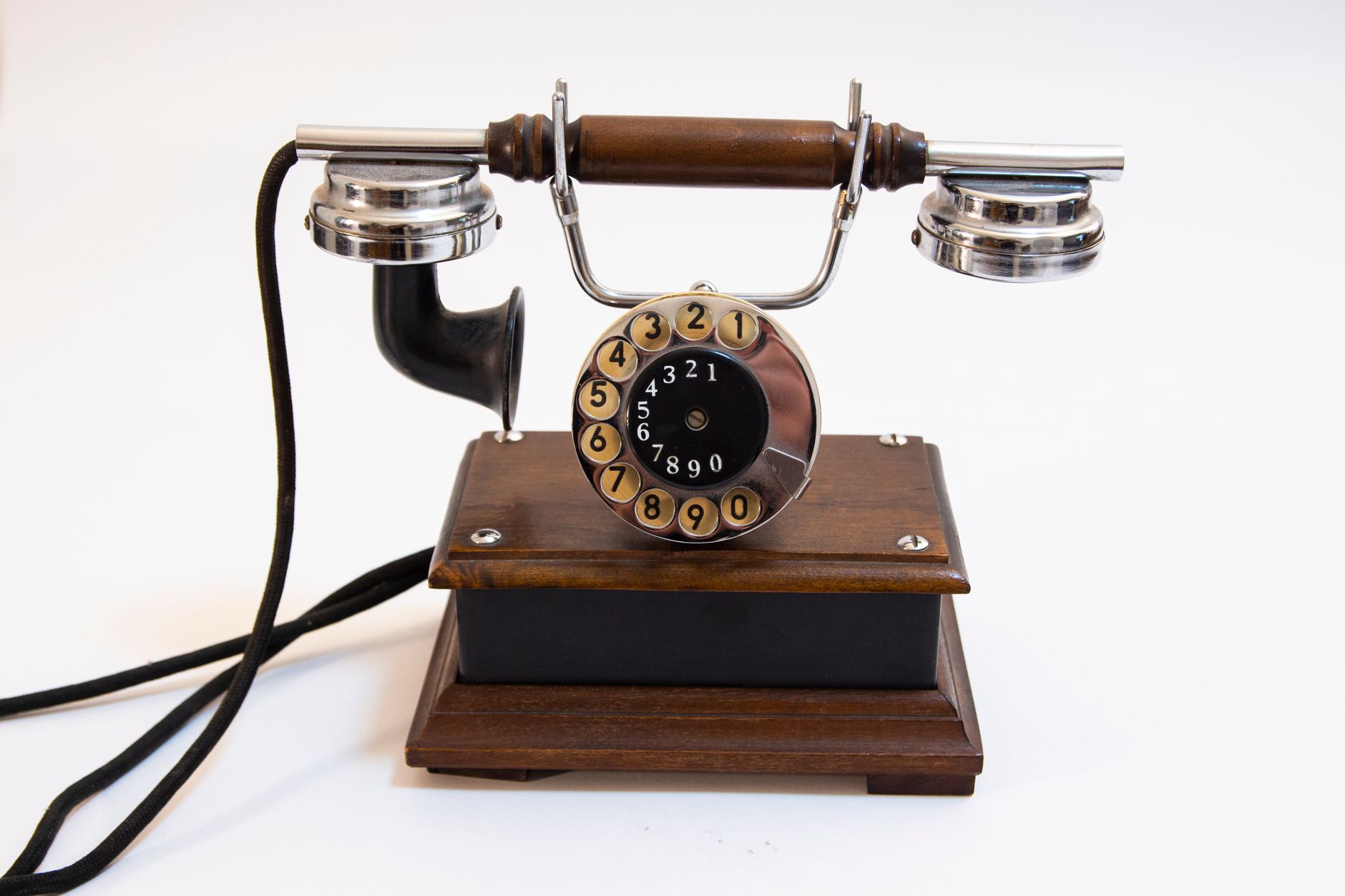
Attractions
Museum of Communication Frankfurt: Behnisch Building, Tickets & Tips
The glass Behnisch building on the Museumsufer, Nam June Paik's robot Pre-Bell-Man and hands-on stations for children: admission, opening hours and tips for the Museum of Communication Frankfurt.
Katharina Vogt23 June 2026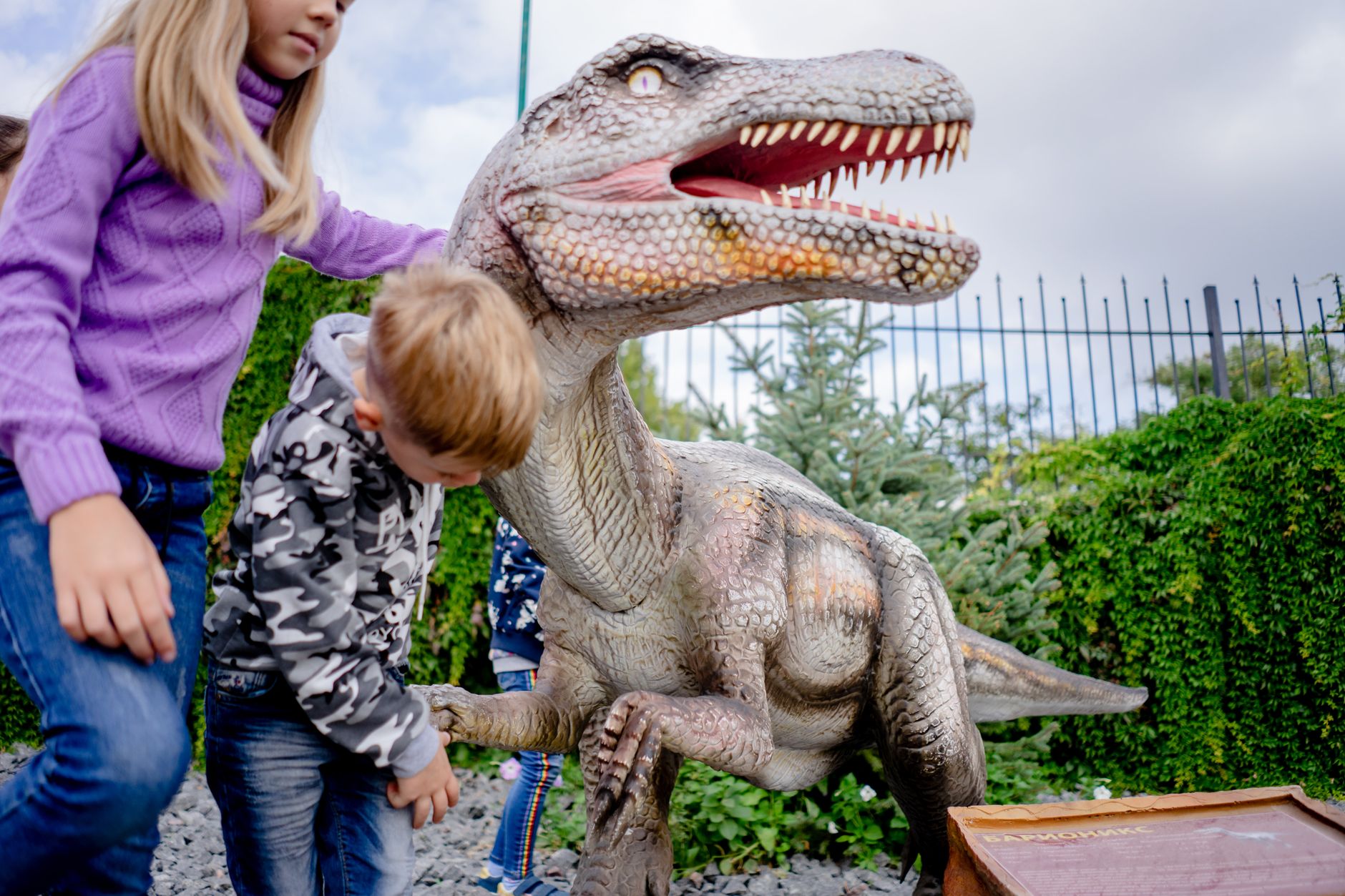
Attractions
Museums for Children in Frankfurt: The Best for Families
Frankfurt's most child-friendly museums at a glance: the Senckenberg with its dinosaurs, the hands-on Experiminta centre, the Young Museum at the Saalhof, the Film Museum and the Struwwelpeter Museum — with verified prices and addresses (as of 2026).
Katharina Vogt29 June 2026
Attractions
Goethe House & Romanticism Museum Frankfurt: Tickets & Tips
The Frankfurt Goethe House, Goethe's birthplace on the Großer Hirschgraben, and the German Romanticism Museum next door: combined ticket, opening hours, room-by-room highlights and a local's tips (as of 2026).
Katharina Vogt1 July 2026