Senckenberg Natural History Museum Frankfurt: Dinos, Messel & Tips
An 18-metre Diplodocus in the atrium, a T. rex, a real dinosaur mummy and the fossils of the Messel Pit: why the Senckenberg is, for me, Frankfurt's best family museum — with prices, times and my own walking route.

There are museums in Frankfurt you visit once and then tick off — and then there’s the Senckenberg. Hardly any other house in the city casts its spell over children so reliably while leaving adults standing open-mouthed in front of a display case at the same time. I first walked between the dinosaur skeletons here as a child, holding my grandmother’s hand, and I still love coming back — these days often with friends’ children, who ask me exactly the questions I once asked myself. In the lines below you’ll read what makes the Senckenberg so special, which exhibits you really shouldn’t miss, and how to plan your visit wisely — with current prices, opening hours and my own walking route.
More than a museum: a research institute
The Senckenberg is not simply an exhibition hall, and you feel it at every turn. Behind the natural history museum stands the Senckenberg Society for Nature Research, founded in 1817 and named after the Frankfurt physician and benefactor Johann Christian Senckenberg. Today it ranks among the largest natural-science research institutions in Germany, with institutes, field stations and collections reaching far beyond Frankfurt. What you see in the museum is, in effect, only the public face of an enormous scientific collection — which is precisely why so many of the exhibits are genuine originals rather than reconstructions.
The imposing museum building on the Senckenberganlage, right next to the old Bockenheim university campus, opened on this site in 1907. Its tall, bright halls and light-flooded inner court give the great skeletons the stage they deserve. Expect a large building across several floors: if you want to see everything, you’ll need time.
The atrium: eye to eye with the dinosaurs
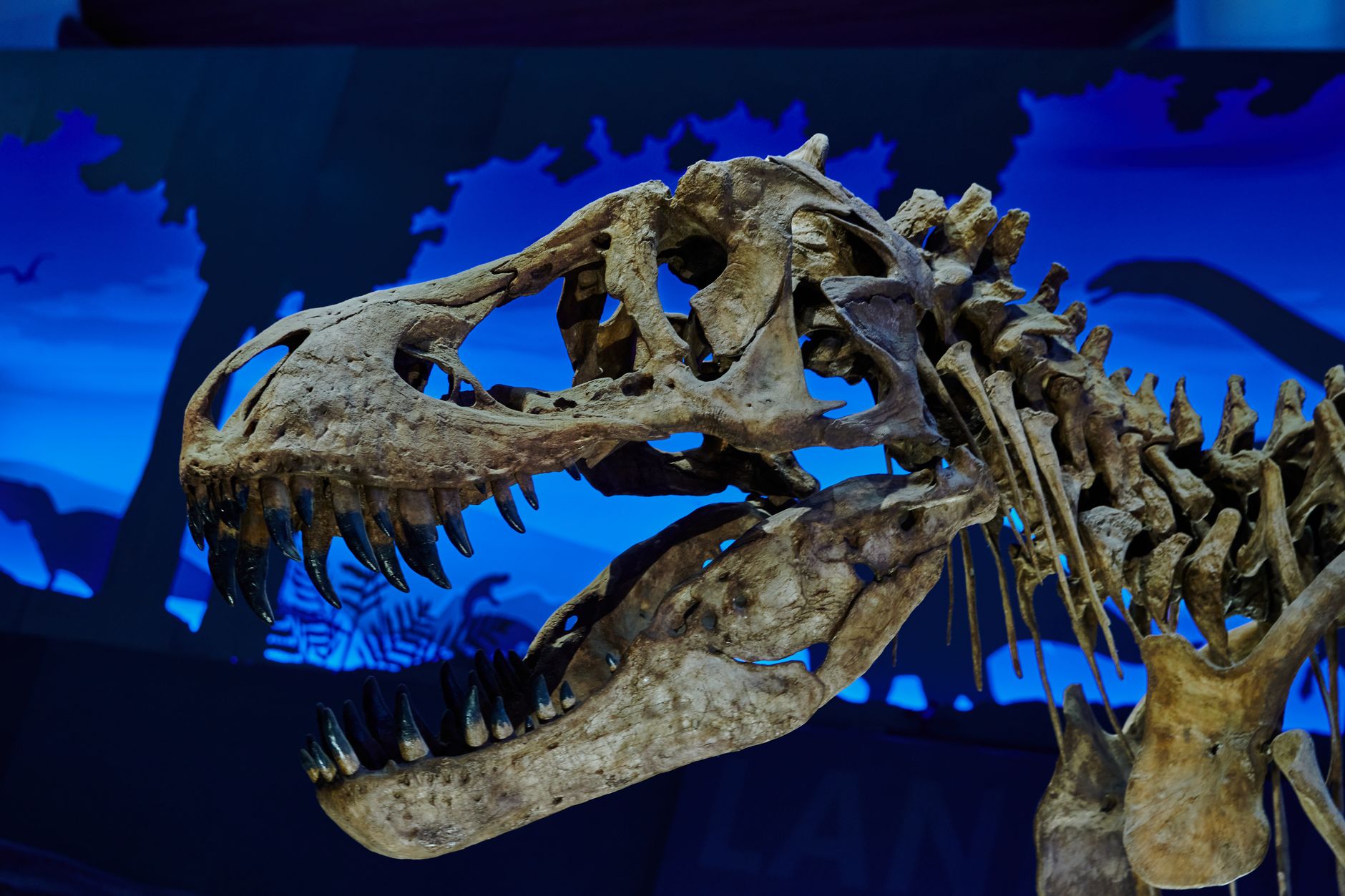
Step inside and you’ll almost automatically head for the dinosaurs first — and with good reason. The Senckenberg holds one of the most important dinosaur collections in Europe, and the central hall is its heart. The largest skeleton is a roughly 18-metre Diplodocus, a long-necked sauropod whose tail stretches almost the entire length of the hall. You have to tip your head right back to grasp the scale of the animal — for children, this is the moment they’ll still remember years later.
Beside it, a Tyrannosaurus rex rears up in attacking pose, and a Triceratops shows off its massive, three-horned skull. Unlike in many museums, these are real fossil skull bones rather than mere casts — a detail made possible only by the scientific weight behind the house. The line-up is rounded out by, among others, a Parasaurolophus with its striking, backward-curving bony crest, whose purpose researchers still puzzle over. Take your time here and read the labels: nearly every skeleton has a story about how it was found and pieced together.
The dinosaur mummy: the real marvel
When I show visitors around the building, my favourite stop isn’t the largest exhibit but the most astonishing: the so-called dinosaur mummy. It is a hadrosaur (a duck-billed dinosaur) in which not only the bones but also impressions of the fossilised skin have survived. You can genuinely make out the fine texture of the scales — a sight that makes it real that these creatures were once flesh and blood, not just white bone. Such soft-tissue preservation is extremely rare, and the fact that a specimen like this stands in Frankfurt is one of the museum’s quiet superlatives. Seek it out deliberately — it’s easy to overlook in the bustle around the big skeletons.
Messel: a World Heritage Site on Frankfurt’s doorstep
The Senckenberg’s second great treasure isn’t in the museum at all, but only around 35 kilometres to the south-east, near Darmstadt: the Messel Pit. This former oil-shale quarry has been a UNESCO World Heritage Site since 1995 — the very first German site inscribed for its natural heritage. Around 47 million years ago a deep crater lake lay here, and on its oxygen-starved bed animals and plants fossilised in astonishing completeness. The Senckenberg has been researching Messel for decades, and its finest finds are on show here.
What makes these fossils world-famous is their level of detail. In the little dawn horses, no bigger than a fox terrier, even the stomach contents are sometimes preserved — so we know what they last ate, and some mares were fossilised while pregnant, with the tiny foal still inside them. Equally celebrated are the fossilised turtles that died in the act of mating, beetles whose metallic sheen is still recognisable after millions of years, and bats, birds and crocodiles with their body outlines completely intact. Fittingly, the museum currently runs the special exhibition “Ganz schön warm hier. Leben und Sterben in Messel” (“Pretty warm here — life and death in Messel,” as of 2026). Special exhibitions change, so it’s worth a quick look at the website before you set off.
Whales, biodiversity and the question of where we come from
As much as the dinosaurs steal the limelight, the Senckenberg would be only half a museum if it stopped there. In the biology halls, case after case and diorama after diorama present taxidermied animals from all over the world: elephant, lion, polar bear and countless birds and insects bring home the sheer diversity of life on Earth. A section of its own is devoted to whales, where skeletons and life-size models make the scale of these marine mammals tangible — a real “wow” moment for children in particular.
I’d especially point you to the section on human evolution. Here, casts of famous fossils tell the long story of our own origins, from early hominins to modern Homo sapiens. In between you’ll come across minerals shimmering in every colour, plus exhibitions on evolution, the history of the Earth and climate. It’s this breadth — from crystal to beetle to long-necked sauropod — that turns the visit into far more than a children’s outing for curious adults too.
For families: the science lab and a few tricks
The Senckenberg is one of the most family-friendly houses in the city, but a few things make the visit smoother. For children there’s the “Aha?!” research workshop, where you’re allowed to experiment and touch things yourself — a welcome antidote to pure looking. Even so, build in breaks deliberately: the building is big, and little ones fill up on impressions faster than you’d like. A snack and a short breather in the inner court work wonders.
Because the Senckenberg is entirely weather-proof, it’s also one of my first recommendations for a rainy day — you’ll find more ideas in my article on Frankfurt with kids in the rain. And if you’re generally on the hunt for museums that appeal to children, take a look at my round-up of the best museums for children in Frankfurt.
Opening hours (as of 2026)
- Monday, Tuesday, Thursday & Friday: 9 a.m. to 5 p.m.
- Wednesday: 9 a.m. to 8 p.m. (extended)
- Saturday, Sunday & public holidays: 9 a.m. to 6 p.m.
The museum is closed on Good Friday, on 24 and 31 December, on 1 January and on Shrove Tuesday from 1 p.m., among other dates. The long Wednesday evening until 8 p.m. is my insider tip: if you have no time during the day or want to avoid the biggest crowds, that’s the best time to come — and from 5 p.m. you even pay less (see below).
What admission costs (as of 2026)
- Adults: €12.00
- Reduced (students, trainees, children 6–17, people with a disability of GdB 50+): €6.00
- With the Frankfurt Card: €8.00
- Family ticket (2 adults + 3 children): €30.00
- Family ticket (1 adult + 2 children): €18.00
- Children under 6: free
- Wednesday evening from 5 p.m. (adults): €6.00
For families, the family ticket is the obvious pick, and the fact that under-sixes get in free eases the bill further. At weekends and during the school holidays I’d recommend buying your ticket online in advance — it saves queuing at the entrance. As prices can change, double-check them at museumfrankfurt.senckenberg.de if in doubt. One practical note for 2026: because of technical work on the lift, step-free access may be temporarily restricted, so if you rely on it, it’s worth asking ahead.
How to get there
The Senckenberg Natural History Museum is at Senckenberganlage 25, 60325 Frankfurt am Main, in the heart of the Westend and right beside the old Bockenheim university campus. The easiest way to arrive is by U-Bahn: from Bockenheimer Warte station (U4/U6/U7) it’s only a few minutes on foot. I’d firmly advise against the car in this part of town — parking spaces are scarce and dear, and the short U-Bahn hop saves you the hunt.
The location is handy for another reason: the Palmengarten is just around the corner, so on a fine day a morning at the museum pairs beautifully with an afternoon among palms and ponds. And if you’re setting out to explore Frankfurt more broadly, my overview of the city’s top attractions places the Senckenberg within a full day out.
My walking route — and why I keep coming back
When friends ask how to get the most out of half a day here, I suggest this order: start in the atrium with the dinosaurs while everyone is still fresh and receptive — the big impression should come first. Then seek out the dinosaur mummy before moving on to the Messel fossils, whose tininess makes you marvel all the more when you’ve just stood beneath the 18-metre giant. After that, through the animal and whale halls, with a detour to human evolution, and for the children a finish in the research workshop. If you’re travelling with young ones, take a proper break after ninety minutes at the latest.
The Senckenberg is, for me, one of the most honest days out in Frankfurt: no razzmatazz, no show, just genuine originals that speak for themselves. Come on the long Wednesday or early in the morning, allow yourself at least two to three hours, and you’ll understand why generations of Frankfurt children — me included — had their first encounter with the giants of prehistory right here.
Keep reading
Attractions
Museums for Children in Frankfurt: The Best for Families
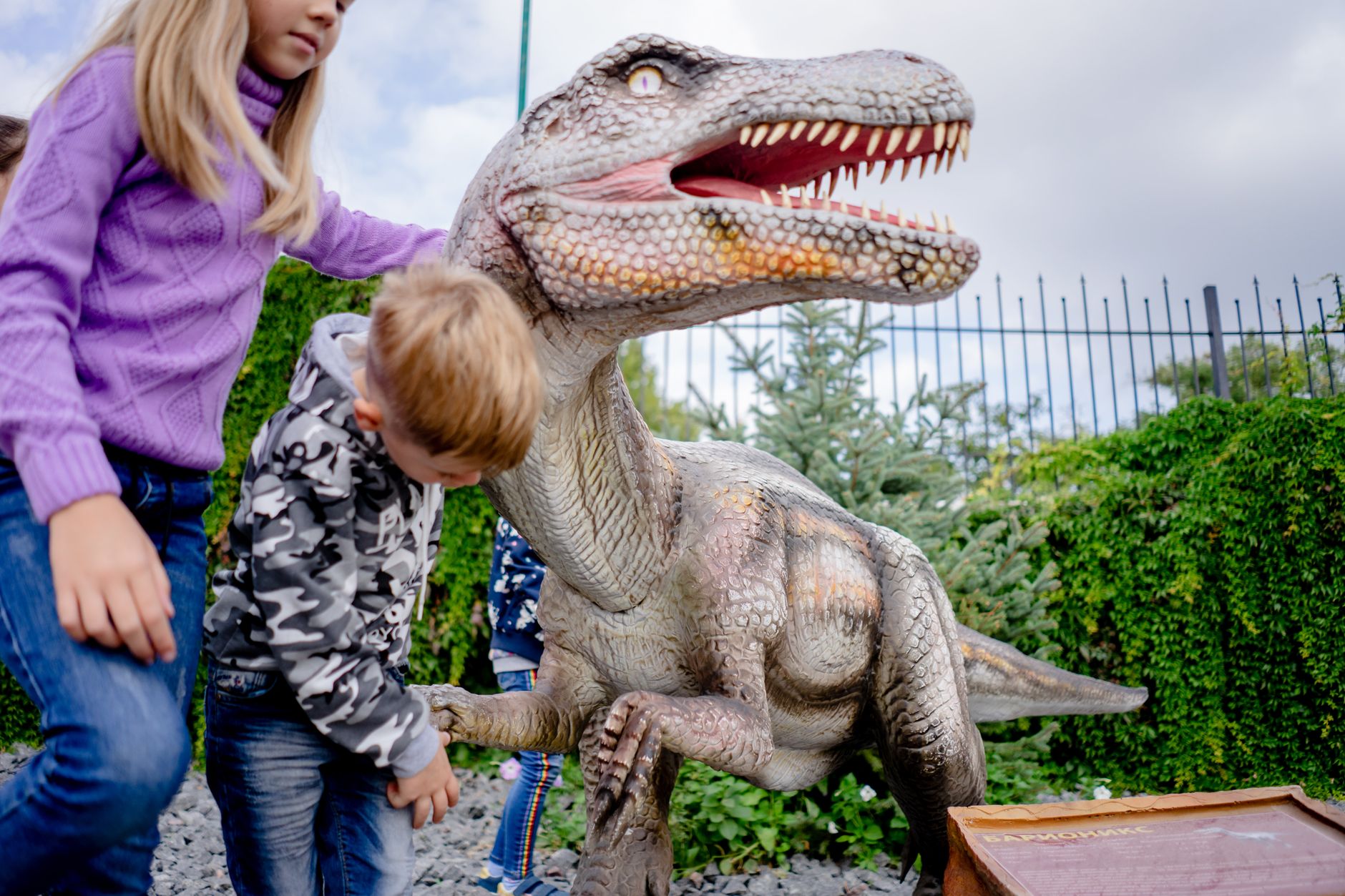
Frankfurt's most child-friendly museums at a glance: the Senckenberg with its dinosaurs, the hands-on Experiminta centre, the Young Museum at the Saalhof, the Film Museum and the Struwwelpeter Museum — with verified prices and addresses (as of 2026).
Katharina Vogt29 June 2026
Attractions
Struwwelpeter Museum Frankfurt: Heinrich Hoffmann, Tickets & Tips
The Struwwelpeter and Heinrich Hoffmann Museum in Frankfurt's New Old Town (Hinter dem Lämmchen 2–4): how the world's most famous shock-headed boy was created in 1844, what the exhibition shows, plus admission, hours and how to get there (as of 2026).
Katharina Vogt11 July 2026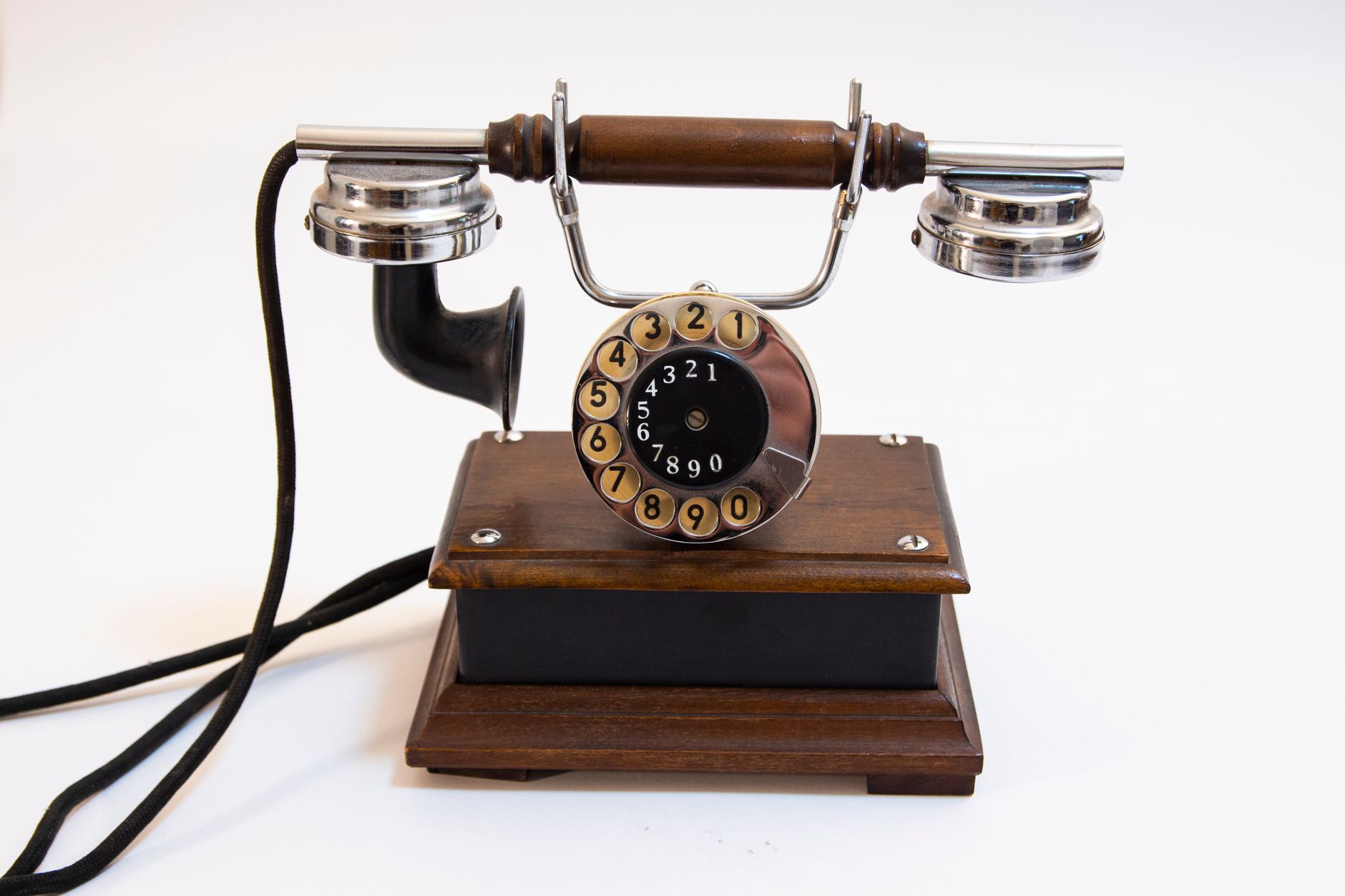
Attractions
Museum of Communication Frankfurt: Behnisch Building, Tickets & Tips
The glass Behnisch building on the Museumsufer, Nam June Paik's robot Pre-Bell-Man and hands-on stations for children: admission, opening hours and tips for the Museum of Communication Frankfurt.
Katharina Vogt23 June 2026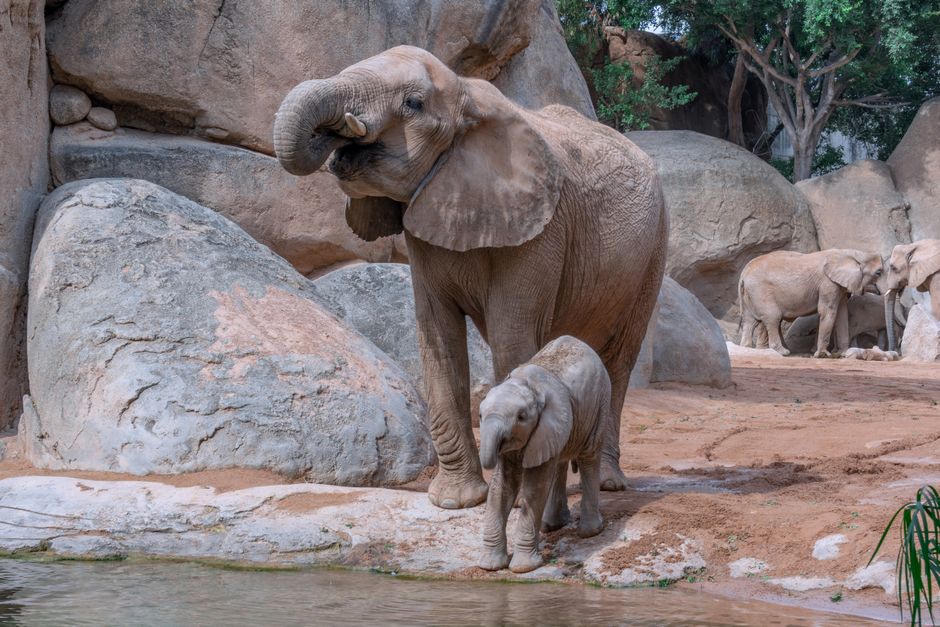
Attractions
Frankfurt Zoo: Tickets, Animals & Visitor Tips
Your visit to Frankfurt Zoo: current admission prices (as of 2026), opening hours and the highlights from the Grzimek House and Exotarium to the Borgori-Wald, Cat Jungle and Ukumari-Land — with tips from a local.
Katharina Vogt16 June 2026