Frankfurt Zoo: Tickets, Animals & Visitor Tips
Founded in 1858 and shaped by Bernhard Grzimek: what Frankfurt Zoo costs, when it's open and which animal houses you really shouldn't miss, right in the Ostend.

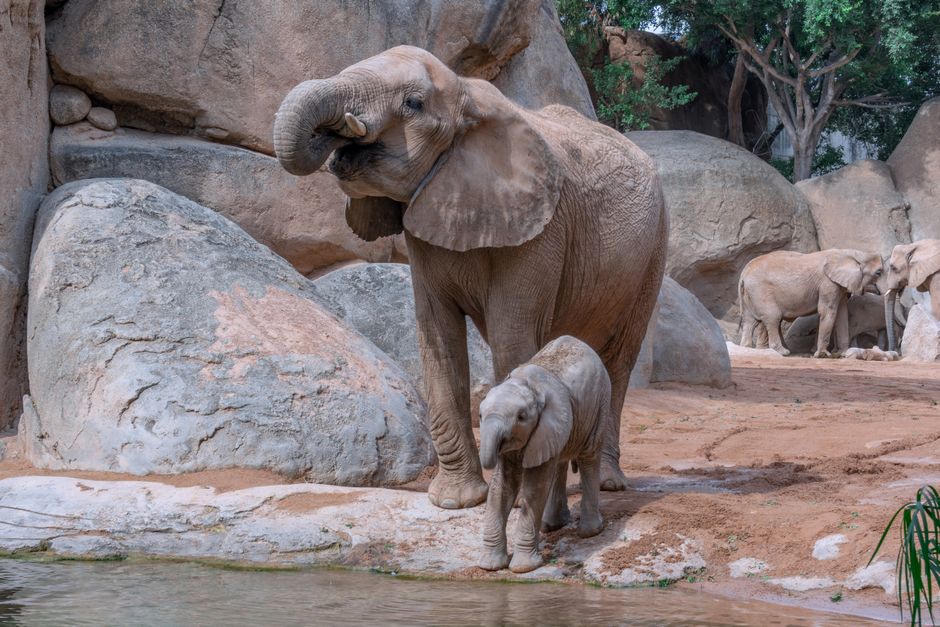
Some zoos sell themselves on superlatives — the biggest, the newest, the one with the most species. Frankfurt Zoo isn’t one of them, and that’s exactly its strength. On a comparatively compact site in the middle of the Ostend, more than a century and a half has produced a zoo that prefers depth to breadth: carefully considered animal houses instead of endless paths, rare species instead of quantity. I’ve been coming here regularly for years — with visitors from abroad just as much as on my own on a grey November afternoon — and almost every time I spot something in one of the old houses that I’d overlooked before. In the lines below you’ll read what makes this zoo special, what admission costs and how to plan your visit most sensibly.
A zoo with history — from 1858 to Grzimek
Frankfurt Zoo was founded in 1858, which makes it the second-oldest zoological garden in Germany after Berlin. It opened on 8 August 1858, initially in the west of the city; in 1874 it moved to its present site on the Pfingstweide in the Ostend, and since 1915 it has belonged to the City of Frankfurt. You feel that long history as you walk around: among the modern enclosures stand buildings from several eras, side by side, because generations kept adding to the place.
No name is as bound up with the zoo as that of Bernhard Grzimek. When he took over as director after the Second World War, the zoo had been almost entirely destroyed by the bombing raids of 1943 and 1944. Grzimek not only rebuilt it, he made it world-famous — through his television programme “A Place for Animals” and the Oscar-winning film “Serengeti Shall Not Die”. For almost three decades, until 1974, he shaped the place, founded Germany’s first zoo school in 1960 and made conservation part of the zoo’s very identity. That the avenue up to the entrance is today called Bernhard-Grzimek-Allee is more than a tribute — it explains why this zoo still puts so much weight on education and on saving endangered species.
The animal houses that make the difference
Anyone who only walks the open-air enclosures on a sunny day misses the best of Frankfurt Zoo. The real treasures are inside the houses — and they’re a good reason to come even when it’s raining.
Grzimek House: night by day
The Grzimek House, named after the great director, is one of the largest houses for nocturnal animals in Europe. The trick behind it is reversed day-night lighting: while it’s bright outside, a dim “night light” reigns indoors, so you catch animals in full swing that would otherwise only be sleeping. After a minute or two your eyes adjust and, suddenly, bats flit through the air while sakis and lion tamarins clamber through the branches. For me it’s the most fascinating house in the whole zoo — and my favourite refuge on dull days.
Exotarium: two floors, two worlds
The Exotarium brings aquariums and terrariums together under one roof. The ground floor is all about life in water — fish, turtles, sea stars and whole marine tanks; upstairs, reptiles, amphibians and insects take over. I particularly like the small “nursery” tanks where the youngest offspring are shown, which means something is always changing here. Take your time, linger at the terrariums and hunt for the camouflaged residents — often it’s only after a while that you realise there really is an animal behind that branch.
Borgori-Wald: close to the great apes
The Borgori-Wald is the zoo’s great-ape house and, at around 10,000 square metres, one of its largest buildings. Even the name is a little puzzle with a neat answer: it’s made up of Bonobo, orang-utan and gorilla — and it’s precisely these three great-ape species that live here. From the outside the building echoes the shape of a philodendron leaf; inside, dense planting, a waterfall and a tropical climate make it feel more like a jungle than an animal house. In places only a pane of glass separates you from the gorillas — a closeness that produces one quiet moment after another. Allow a little extra time here; with apes, it’s those who stand still who are rewarded.
Cat Jungle: lions and tigers
In the Katzendschungel (Cat Jungle) the big cats — lions and tigers — live in naturalistic enclosures with both indoor and outdoor areas. The clever thing about the design is that the enclosures let the animals withdraw and, now and then, avoid one another (and us visitors too). That’s good for the cats and honest towards guests — sometimes a tiger really is dozing hidden in the greenery. Come with a little patience, or at feeding time, and you’ll see them all the more lively for it.
Ukumari-Land: the Andes in the middle of Frankfurt
One of the zoo’s more recent redesigns is Ukumari-Land, a landscape modelled on the Andes whose name comes from the indigenous word for the spectacled bear. Here spectacled (Andean) bears — the only bear species in South America — live alongside howler monkeys. More than 1,600 square metres of outdoor space were planted with over 90 trees and shrubs and plenty of natural material, and a new entrance building with a shop was added. I like the thinking behind it: rather than putting the animals on a platter, you have to look for them a little here — and you’re rewarded with natural behaviour when a bear ambles up over the rocks.
And who else: seals, okapis and penguins
Beyond the big houses, several open-air enclosures are worth your time. At the Robbenklippen (seal cliffs), harbour seals and South African fur seals splash about in a rocky pool — the feedings are among the most popular moments of the day. Right next door the Humboldt penguins waddle about. A real insider tip are the okapis: these shy relatives of the giraffe, from the rainforests of the Congo, are rarely seen in zoos, and Frankfurt has a special reputation for keeping and breeding them. Add to that giraffes, Grévy’s zebras and the Faust bird halls, which you walk right through while birds from around the world fly overhead. Compact as the zoo is, the circuit never gets dull.
What admission costs — and how to save
For what’s on offer, the prices are fair (as of 2026):
- Adults: €12.00 (€13.00 with the voluntary conservation surcharge)
- Reduced (children and young people 6–17, students, severely disabled visitors and others): €6.00
- Children under 6: free
- Family day ticket (max. 2 adults and 1–4 children aged 6–17): €29.00
- Annual pass, adults: €60.00; reduced €25.00; family €90.00
That children under six get in free and the family day ticket is capped takes real pressure off a family outing. If you come often, the annual pass is good value — and a particularly nice trick for nature lovers is the Naturpass: this combined card is valid for the zoo, the Palmengarten and the Senckenberg Natural History Museum all at once, and costs €110.00 for adults. Holders of the Frankfurt Pass also get reduced rates. You can buy tickets at the desk or online in advance — the latter saves queuing on busy days.
Opening hours and the best time of day
The zoo is open 365 days a year — which sets it apart from many other Frankfurt destinations. The times change with the season (as of 2026):
- Summer (29 March to 24 October 2026): daily 9 a.m. to 7 p.m.
- Winter (25 October 2026 to 28 March 2027): daily 9 a.m. to 5 p.m.
One important detail: the animal houses close 30 minutes before the zoo, as do the ticket desks. So if you arrive in the late afternoon and really want to see the Exotarium or Grzimek House, factor that in and don’t leave the indoor houses for the very end. My recommendation: come in the morning. Many animals are more active then, the feedings still lie ahead of you, and it’s noticeably quieter than on a sunny afternoon. As times can shift on individual dates, it’s worth a quick look at zoo-frankfurt.de before you set off.
At the zoo with children
For families the zoo is a classic, and its compact size is a genuine advantage: even shorter legs manage the paths without the mood turning. There’s a playground, a petting zoo with dwarf goats, plenty of benches for breaks and places to eat along the way. The biggest plus in Frankfurt’s often moody weather, though, is the covered houses: if a shower blows in, simply move your visit into the Grzimek House or Exotarium. If you’re out and about with children anyway, you’ll find more ideas in my piece on family day trips around Frankfurt; and for the grey days I’ve gathered the best places to go in Frankfurt with kids in the rain.
How to get there
The zoo is at Bernhard-Grzimek-Allee 1, 60316 Frankfurt am Main. The most convenient way to arrive is by U-Bahn: lines U6 and U7 stop right at the “Zoo” station, from where it’s only a few steps to the entrance; tram line 14 also runs there. By car it’s more of a hassle — parking in the densely built-up Ostend is awkward, and while there are car parks nearby, the U-Bahn saves you the search and brings you out from the centre in a matter of minutes. I clearly recommend taking the train.
My half-day walking route
When friends ask me how best to spend half a day here, I suggest this order: start right at opening with the Borgori-Wald, while the great apes are still lively and the first groups are spreading out. Move on to the Cat Jungle and into Ukumari-Land for the spectacled bears. Then a detour to the seal cliffs — ideally to coincide with a feeding — and a look at the okapis. Save the indoor houses, the Exotarium and Grzimek House, for the middle of the day, when most people are outside; inside it’s pleasantly quiet then. For a relaxed circuit you should allow two to three hours, and more with children.
Frankfurt Zoo proves that a zoological garden doesn’t have to be huge to move you. Its central location, the short journey and above all the well-considered houses from several eras make it a place where history, conservation and a lovely family day come together with ease. Come in the morning, take your time over the houses — and you’ll understand why Frankfurters have treasured their zoo for over 160 years.
Keep reading
Attractions
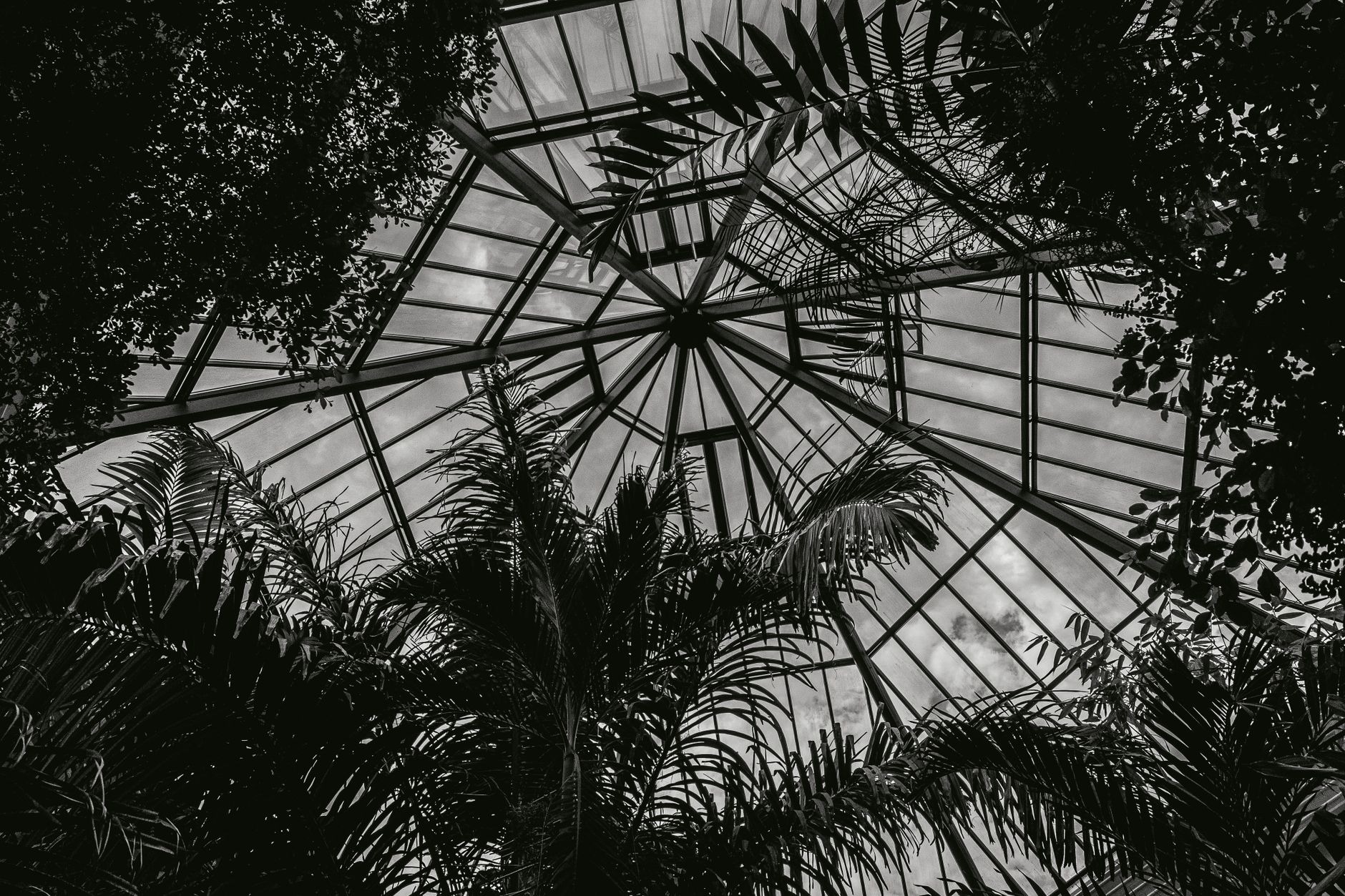
Palmengarten Frankfurt: Tickets, Highlights & Tips
Everything for your visit to the Palmengarten in Frankfurt: current admission prices, opening hours, the loveliest glasshouses and exhibitions, plus practical tips from a local.
Katharina Vogt16 June 2026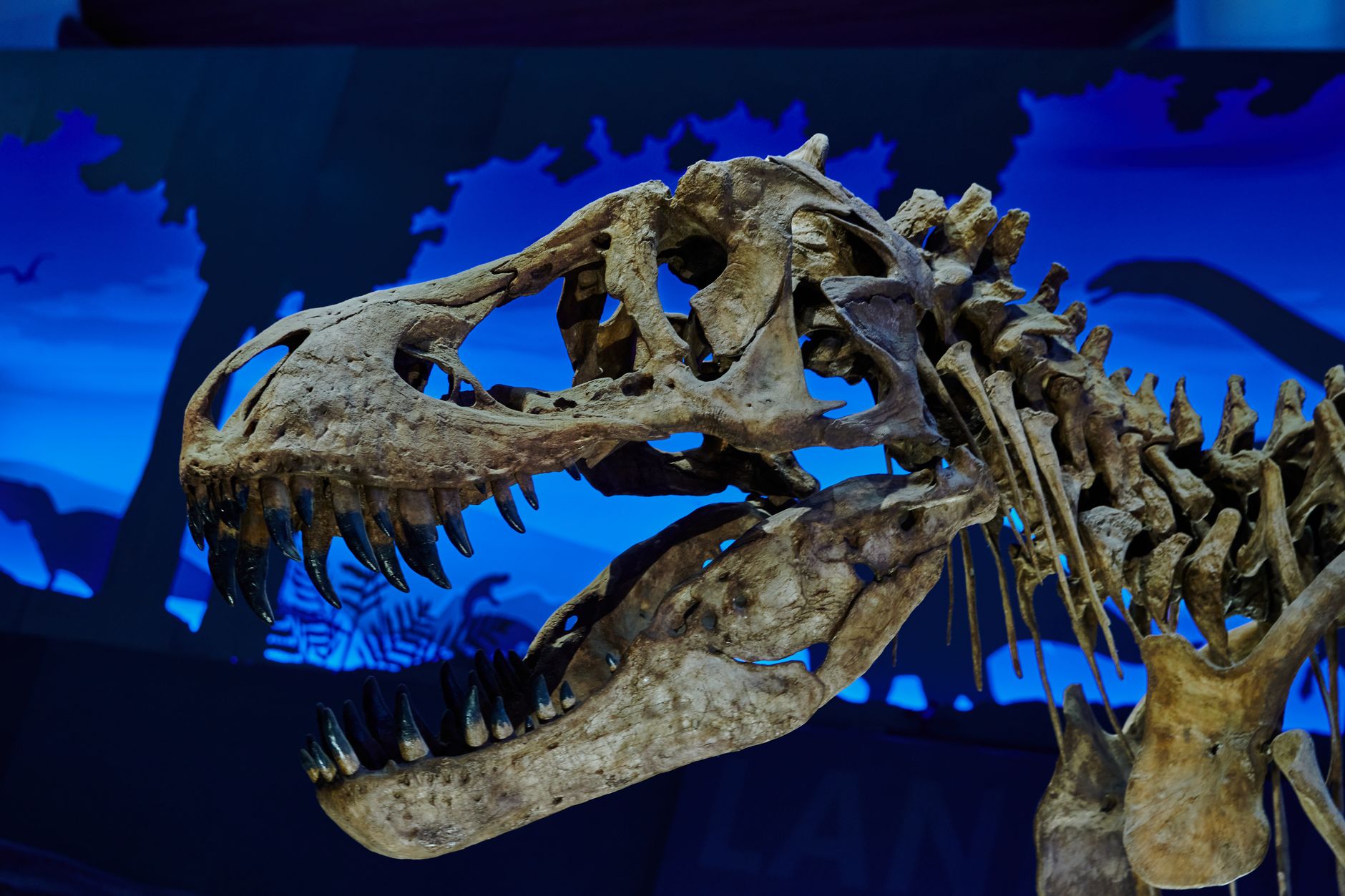
Attractions
Senckenberg Natural History Museum Frankfurt: Dinos, Messel & Tips
From the 18-metre Diplodocus and a genuine dinosaur mummy to the world-famous Messel fossils: current admission prices, opening hours, highlights and family tips for the Senckenberg Natural History Museum — from a local.
Katharina Vogt19 June 2026
Attractions
Struwwelpeter Museum Frankfurt: Heinrich Hoffmann, Tickets & Tips
The Struwwelpeter and Heinrich Hoffmann Museum in Frankfurt's New Old Town (Hinter dem Lämmchen 2–4): how the world's most famous shock-headed boy was created in 1844, what the exhibition shows, plus admission, hours and how to get there (as of 2026).
Katharina Vogt11 July 2026
Attractions
Museum of Communication Frankfurt: Behnisch Building, Tickets & Tips
The glass Behnisch building on the Museumsufer, Nam June Paik's robot Pre-Bell-Man and hands-on stations for children: admission, opening hours and tips for the Museum of Communication Frankfurt.
Katharina Vogt23 June 2026