MMK Frankfurt: Museum of Modern Art – Locations, Collection & Tips
From Warhol to the present day: why the triangular 'slice of cake' on Domstraße ranks among Europe's most important houses for art after 1960 — and how to plan your visit well.

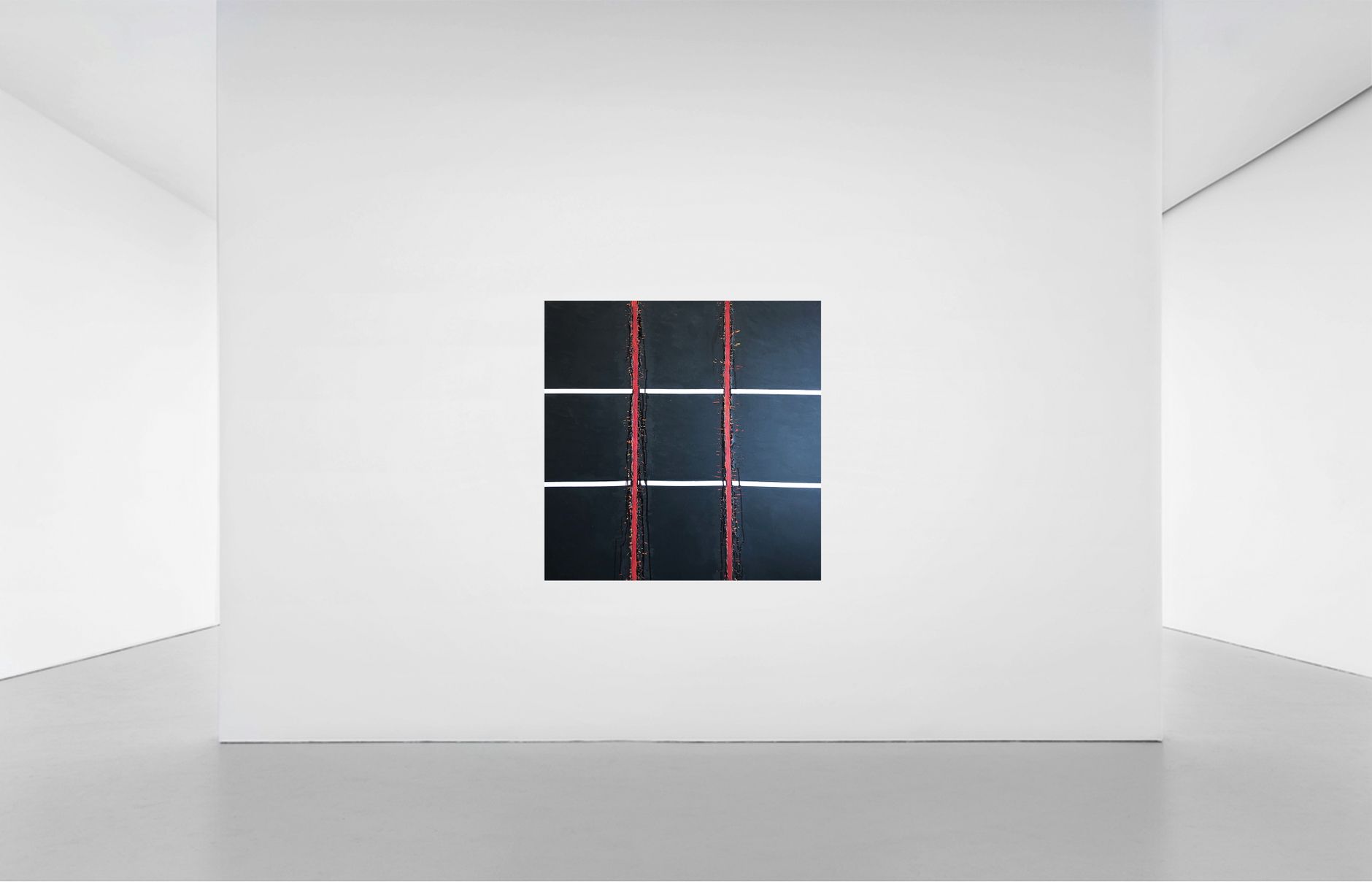
There are buildings in Frankfurt you simply can’t walk past without turning your head, and the MMK on Domstraße is right at the top of that list. The sharp, white, wedge-shaped structure between the Imperial Cathedral and the New Old Town looks as though someone set a slice of cake down in the middle of the historic city. That is exactly what Frankfurters call it: the „Tortenstück“ — the “slice of cake”. I love the contrast: here the warm sandstone of the cathedral, there the crisp edge of postmodernism. And behind that façade waits one of Europe’s most significant collections of art made after 1960. If you’ve always thought contemporary art wasn’t for you, this is precisely the place to try it: few museums show the journey from Pop Art to the present quite so vividly.
The “slice of cake”: architecture that is a work in itself
The Museum für Moderne Kunst — MMK for short — opened on 6 June 1991, and the building alone is a small sensation. It was designed by the Austrian architect Hans Hollein, one of the most influential figures of postmodernism. The wedge-shaped plot between Domstraße and Braubachstraße would have driven many architects to despair; Hollein turned the constraint into a virtue and shaped a triangular volume that really does look like a piece of cake from above. From the street the house feels almost closed off, but inside it opens into a surprising sequence of spaces: no two galleries are alike, skylights draw daylight into the upper floors, and you quickly lose all sense of standing inside such a narrow footprint. For me, walking through the architecture is nearly as absorbing as walking through the art — take a moment before or after your visit to circle the building from outside.
Three houses, three characters
What surprises many first-time visitors: the MMK isn’t one building but works across three very different sites in the city centre.
- MUSEUM MMK (main building), Domstraße 10 — the “slice of cake” itself and the heart of the institution. This is where the big collection displays and the most ambitious temporary exhibitions hang.
- ZOLLAMT MMK, Domstraße 3 — diagonally opposite, in the former main customs office. Since 2007 this satellite has been a stage for younger and more experimental work, often by artists you won’t have seen elsewhere yet.
- TOWER MMK, Taunustor 1 — since October 2014 housed in the Taunusturm high-rise, near Willy-Brandt-Platz in the middle of the banking district. On around 2,000 square metres on the second floor, the museum — privately funded here — usually shows two rotating exhibitions a year: art at altitude.
This three-way split is unusual, and it has one practical consequence: not every house is in use at all times. Exhibitions move between the sites, individual areas close for building work now and then, and the TOWER runs to the rhythm of its two annual shows in any case. So before you set off, check briefly which house is currently showing what — otherwise you may end up at the wrong door. That’s the one genuine pitfall of an MMK visit; navigate around it, and the day is all the more rewarding.
From a lucky purchase to a world-class collection
The MMK’s story begins with a shrewd acquisition. In 1981 the City of Frankfurt bought 87 works from the collection of the Darmstadt industrialist Karl Ströher — a concentrate of American Pop Art and Minimal Art. That founding core was so outstanding that a purpose-built museum was raised for it, namely Hollein’s house. From those early dozens the holdings have since grown to more than 5,000 works by around 600 artists, spanning the arc from the 1960s to the immediate present.
The names read like a who’s who of recent art history: Andy Warhol, Roy Lichtenstein, Claes Oldenburg and Robert Rauschenberg for Pop Art; Carl Andre, Dan Flavin and Donald Judd for Minimal Art; and alongside them Joseph Beuys, Gerhard Richter, Francis Bacon and Blinky Palermo. Beyond these classics, the museum acquires new contemporary work consistently — since 2018 under director Susanne Pfeffer, who has given the MMK a markedly contemporary profile. The result is a living collection rather than a museum of the past alone.
No fixed hang: what you’ll actually see
One thing to know so you arrive with the right expectations: unlike the Städel across the river on the Museumsufer, the MMK does not keep a fixed, unchanging hang. The collection appears in changing constellations, often grouped around a theme or a single artist, with major solo exhibitions running in between. That means a return visit a year later feels almost like a new museum — I’ve rarely seen the same thing twice here.
Contemporary art is allowed to challenge you, and the MMK doesn’t shy away from friction: video installations, room-filling pieces, sometimes works that only click on second glance. Go with it. The interpretation is good, the gallery staff are helpful, and it’s precisely the mix of familiar Pop Art icons and puzzling new work that gives the place its edge. If you’re coming with children, the clean forms of Minimal Art and the bold Pop images are surprisingly good ways in.
Before you go: hours, prices, getting there
The MMK is a municipal museum and generally open Tuesday to Sunday, usually from 10 a.m. to 6 p.m., often later on Wednesdays; it is closed on Mondays (as of 2026). Hours shift on public holidays and around Christmas.
On admission I’ll deliberately hold back from quoting figures to the cent, because rates vary by house and exhibition and are adjusted regularly — reckon on the usual range for a Frankfurt museum, in the low double digits for adults and roughly half that reduced (as of 2026). One thing is reliable and welcome: entry is free for everyone under 18. If you want to take in several houses in a day, the Museumsufer Ticket is worth it — it covers around three dozen Frankfurt museums over two consecutive days; I explain how that network works in my guide to the Museumsufer. The MMK itself, incidentally, doesn’t sit on the riverbank but right in the old town — it’s part of the ticket scheme all the same.
Getting there: the main building at Domstraße 10 is easiest to reach by U-Bahn. The Dom/Römer station (U4, U5) is only a few steps away, and tram lines 11 and 12 stop at Römer/Paulskirche. The TOWER MMK in the Taunusturm is well served via Willy-Brandt-Platz (several U-Bahn lines). I’d advise against the car in the city centre — parking is expensive, and the U-Bahn will get you there faster anyway.
My half-day of culture around the cathedral
When friends ask how best to fit the visit in, I recommend this order: start in the “slice of cake” while your mind is still fresh — contemporary art demands attention. From there it’s a hop across Domstraße to the Zollamt, if something is showing. Since you’re standing right beside the cathedral anyway, a wander through the neighbouring New Old Town follows naturally; if you enjoy the history behind it, follow my historic walk through the old town and around Römerberg. For me the MMK clearly belongs among the city’s 15 top highlights, precisely because it brings Frankfurt’s historic and modern faces together in such a small space.
You won’t have to go far for a break afterwards: the lanes of the New Old Town and the streets around Römerberg are lined with cafés, and if you prefer something quieter, there’s a bench with a view of the water down on the Main. Allow one to two hours for a single house; if you want to see several sites, block out half a day.
The MMK isn’t a museum you tick off — it’s one you come back to, because it never stops changing. That’s exactly what makes it, for me, one of Frankfurt’s most exciting places: between the thousand-year-old cathedral and the banking towers, here stands a house that looks squarely to the future. Check the current programme, bring a little curiosity — and let it surprise you.
Keep reading
Attractions
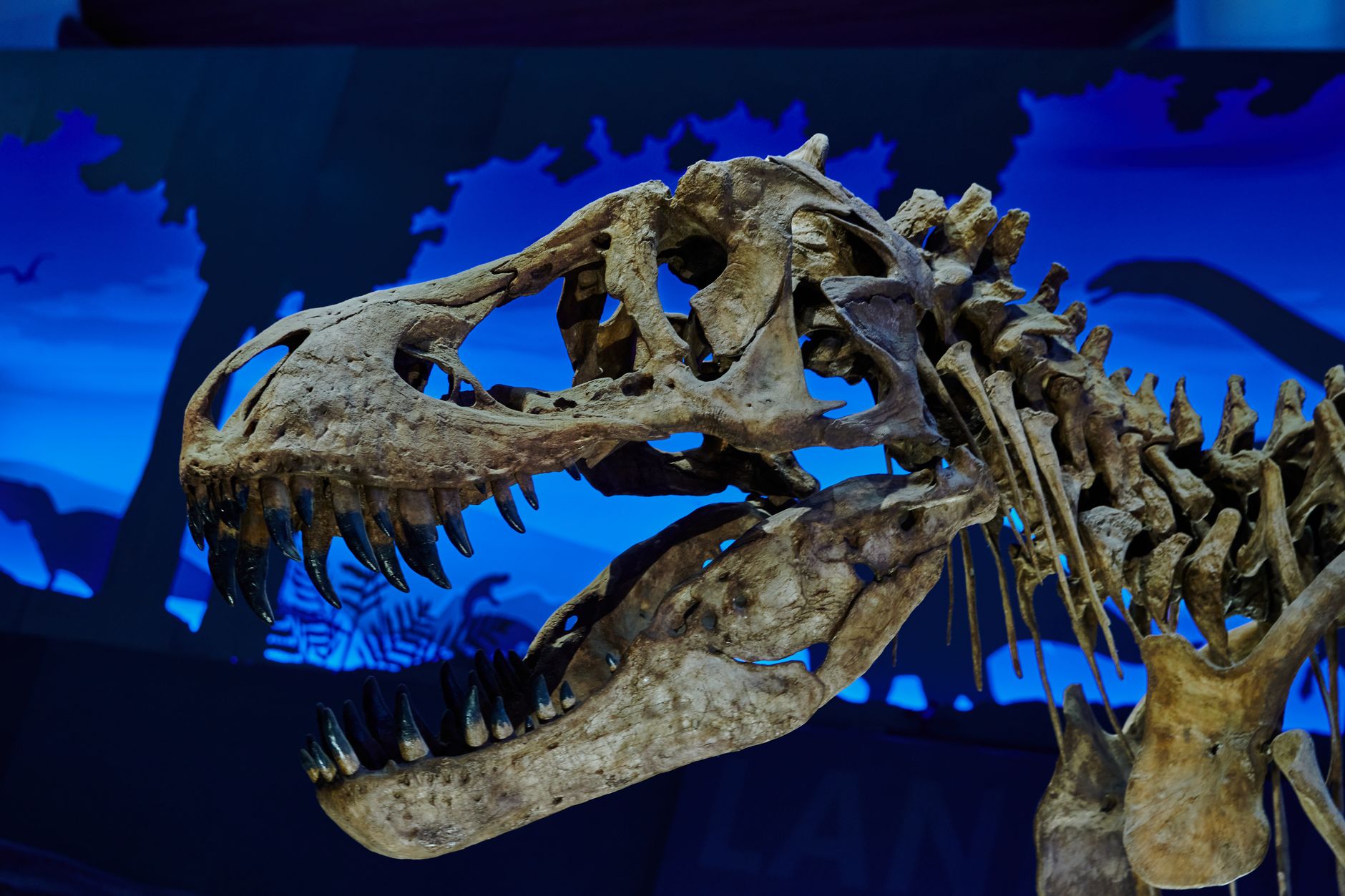
Senckenberg Natural History Museum Frankfurt: Dinos, Messel & Tips
From the 18-metre Diplodocus and a genuine dinosaur mummy to the world-famous Messel fossils: current admission prices, opening hours, highlights and family tips for the Senckenberg Natural History Museum — from a local.
Katharina Vogt19 June 2026
Attractions
Caricatura Museum Frankfurt: Comic Art on the Weckmarkt
Cartoons, caricatures and the New Frankfurt School inside the medieval Leinwandhaus: opening hours, admission (€8/€4), highlights and tips for your visit to the Caricatura Museum Frankfurt.
Katharina Vogt25 June 2026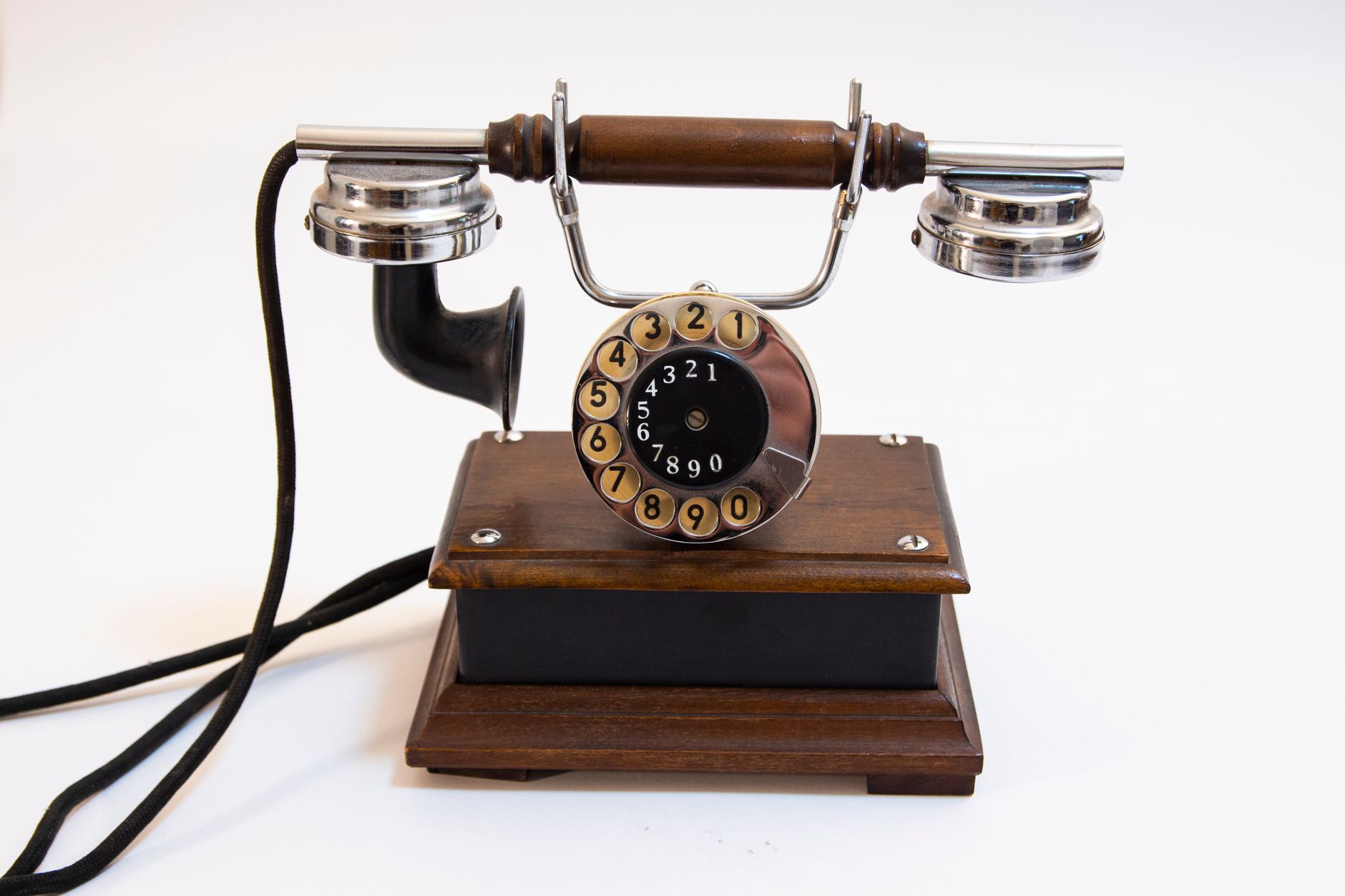
Attractions
Museum of Communication Frankfurt: Behnisch Building, Tickets & Tips
The glass Behnisch building on the Museumsufer, Nam June Paik's robot Pre-Bell-Man and hands-on stations for children: admission, opening hours and tips for the Museum of Communication Frankfurt.
Katharina Vogt23 June 2026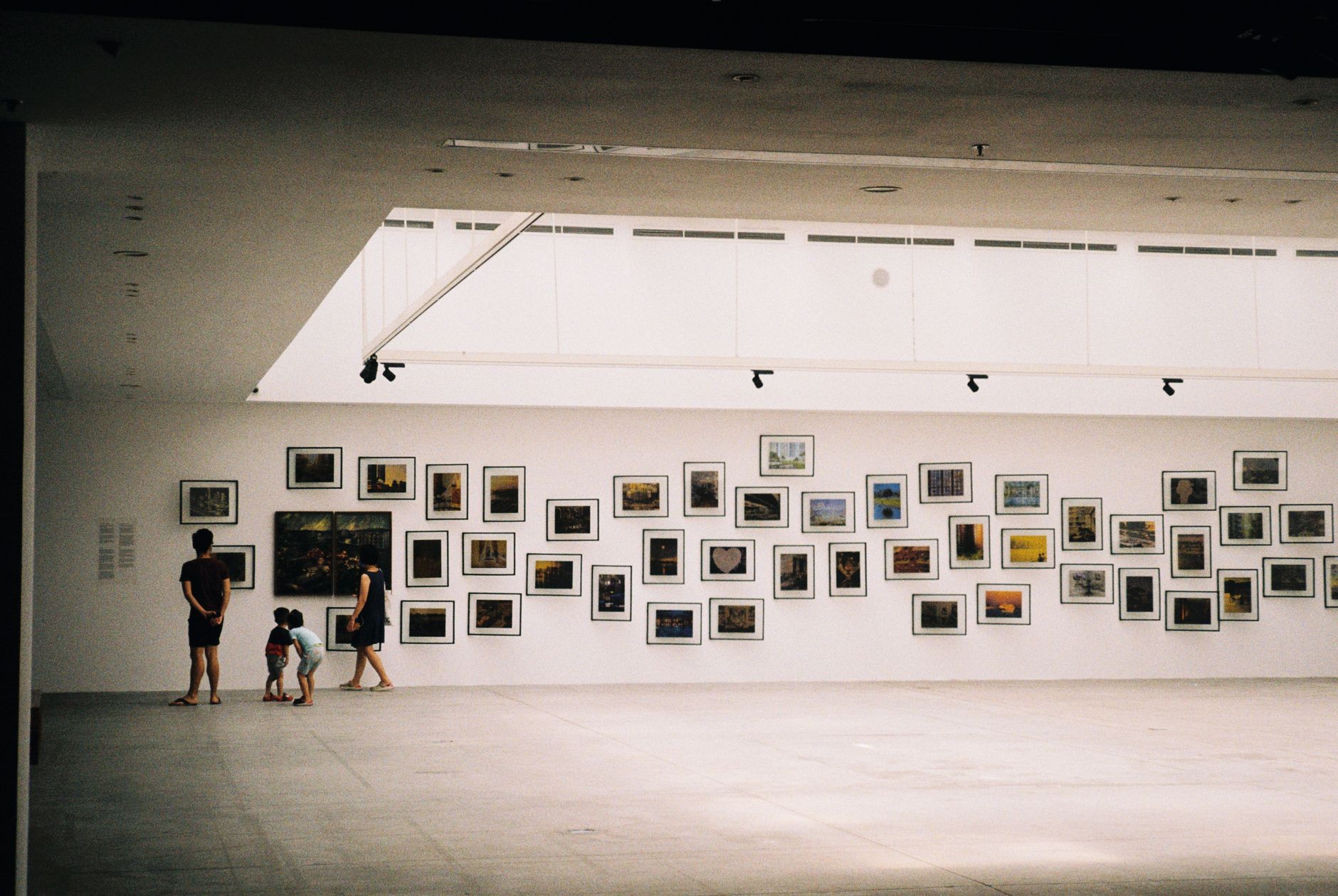
Attractions
Städel Museum Frankfurt: Tickets, Opening Hours & Highlights
The Städel Museum on Frankfurt's Museumsufer: 700 years of art from Botticelli and Vermeer to Monet, the underground Garden Halls, opening hours, admission prices and the Tuesday Special.
Katharina Vogt22 June 2026