Frankfurt Christmas Market: Dates, Stalls & Tips
One of Germany's oldest Christmas markets, documented since 1393: when it's usually on, where it's loveliest — from the Römerberg to the Mainkai — and what belongs on your plate and in your cup.

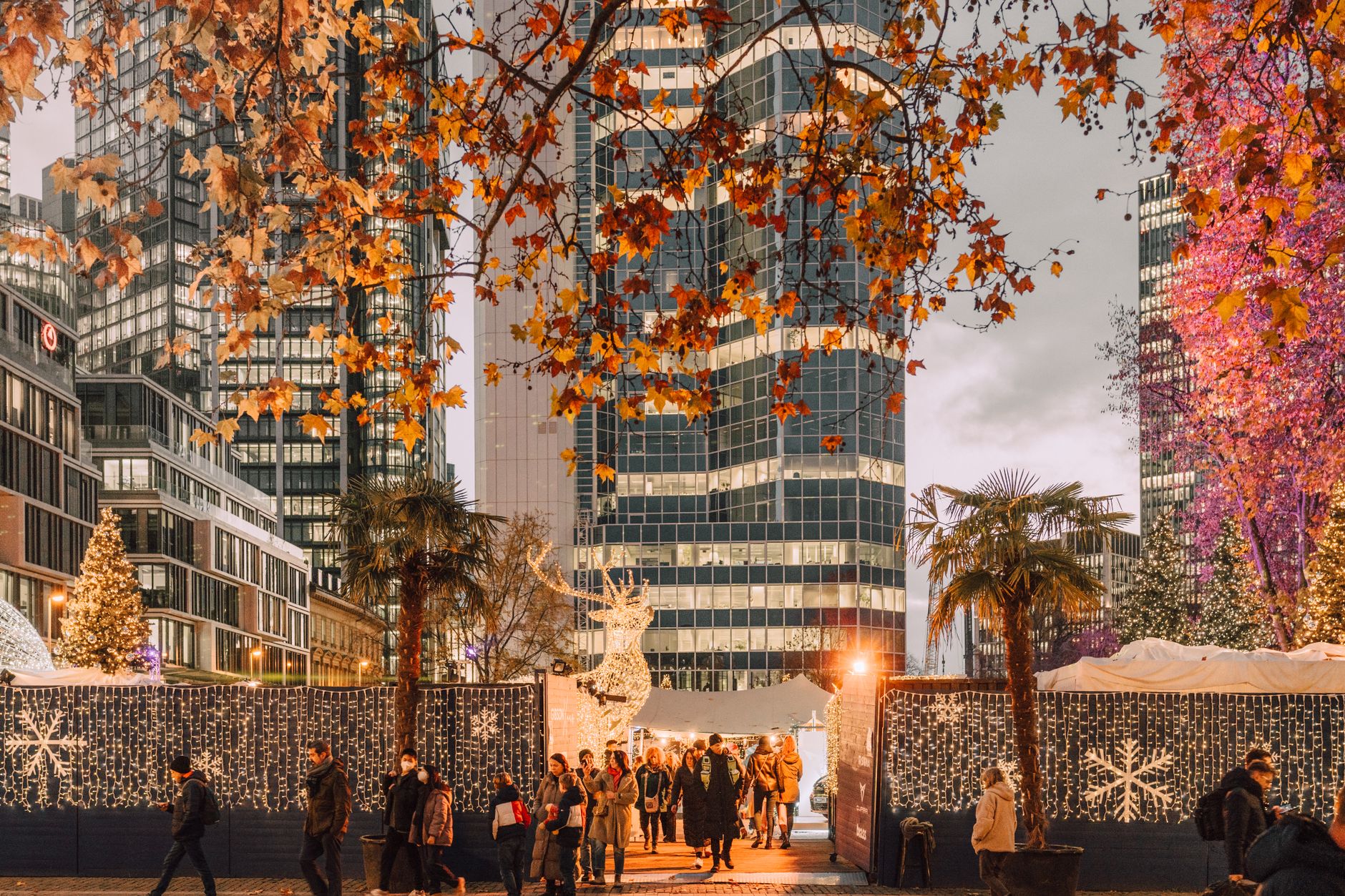
There’s one particular evening, usually in the last week of November, when I walk across the Römerberg for the first time that season and the scent of roasted almonds, cinnamon and hot apple wine is hanging between the half-timbered gables. That’s when I know: the Frankfurt winter has begun. The Christmas market here is one of the oldest in Germany — first documented back in 1393, more than 600 years ago. What makes it special for me isn’t the age alone, though, but the setting: nowhere else do the stalls crowd so tightly in front of half-timbered houses, the imperial cathedral and the glass skyline all at once. In the lines below you’ll find out when the market usually opens, where it’s loveliest (and where it’s quietest) and what you really shouldn’t leave without trying.
A market with more than 600 years of history
The fact that the market first appears in the records in 1393 isn’t marketing spin — it’s well documented. For centuries only Frankfurt’s own citizens were allowed to set up stalls; the market was a privilege of the city and its craftsmen, not an open fair for all comers. It only grew into the thing we know today over the 19th century, when the rows filled out and Christmas trees were even sold in the halls of the Römer.
Today the market draws around three million visitors a year, which puts it among the largest in the country. Its reputation reaches as far as England: since the 1990s there has been an offshoot, the “Frankfurt Christmas Market” in Birmingham, which has become one of the biggest German-style markets outside the German-speaking world. That blend is exactly what appeals to me — a medieval tradition that never turned into a museum piece, but instead lays itself over the same square, year after year, where trading was already going on in the late Middle Ages.
When the market opens — and why it closes before Christmas
Unlike some cities, Frankfurt sticks to a fixed pattern: the market begins in the week before the first Sunday of Advent — usually on a Monday — and always ends on 22 December. So there are no stalls on Christmas Eve itself; the square goes back to the Frankfurters and their church services by then. That’s worth knowing if you’re travelling specially for the market: don’t leave it until the Christmas days themselves.
In 2026 the first Sunday of Advent falls on 29 November. Following this well-worn rhythm, the market should therefore open around 23/24 November and, as ever, close on 22 December. The city confirms the exact dates only shortly beforehand each year, so if you’re coming a long way or booking a hotel, do double-check them on frankfurt.de.
The opening hours have been remarkably consistent over the years: as a rule the stalls open daily at 10 a.m. (Sundays from 11 a.m.) and close around 9 p.m. (as of 2026; small variations on individual days are possible). The underlying structure stays the same from one year to the next, so you can plan your visit well in advance.
From the Römerberg to the Mainkai: the areas
The great advantage of the Frankfurt market is that it doesn’t squeeze onto a single square but threads through the city centre like a ribbon — from the Hauptwache along the Zeil, across the Liebfrauenberg, the Neue Kräme and the Paulsplatz to the Römerberg, the Fahrtor and down to the Mainkai. More than 200 stalls are spread along this route, among them roughly 98 selling Christmas goods, 56 food and drink stands (many with heated seating), 29 confectionery stalls and six children’s carousels. The handy side effect: when it gets too tight in one corner, you simply move on to the next stretch.
Here’s how I’d rank the main locations:
- Römerberg: the centrepiece and the most famous backdrop, with the big decorated Christmas tree in front of the half-timbered houses and the Old St Nicholas Church. This is the most atmospheric spot — and, predictably, the busiest.
- Paulsplatz: just round the corner and usually a touch quieter, with plenty of stalls for food, drink and decorations and a more relaxed feel.
- Mainkai by the river: the stalls run all the way down to the riverbank. A lovely, often overlooked stretch with a view of the water and the floodlit skyline on the Sachsenhausen side.
- Hauptwache and Zeil: ideal if you want to combine shopping and market — here the retail bustle and the festive stalls blend seamlessly into one another.
- Neue Kräme and Liebfrauenberg: the connecting lanes between the Hauptwache and the Römer, with the fountain on the Liebfrauenberg as a pretty landmark.
The Christmas tree and the Turmblasen
The market’s emblem stands right in the middle of the Römerberg: a huge, festively decorated fir, hung anew each year with thousands of lights and baubles. For many Frankfurters its first illumination is the real start of the Advent season — and for photographers it’s the moment when the half-timbering, the tree and the high-rise towers behind all fit into a single frame.
My own favourite moment, though, is a musical one: the Turmblasen. On Wednesday and Saturday evenings a brass choir plays carols and chorales out across the square from the roof gallery of the Old St Nicholas Church. When the brass drifts down from above and the crowd below pauses for a moment, there’s a solemnity to it that no loudspeaker on earth could recreate. Just plant yourself on the Römerberg for a few minutes with a cup in hand.
If you’d like to explore the setting outside Advent too, I’d point you to my historic walk through Frankfurt’s old town and the Römer — that’s when you can see what usually lies hidden beneath the stalls.
What belongs on your plate and in your cup
A Christmas market lives from its treats — and Frankfurt has a few specialities you won’t find in quite the same form anywhere else:
- Mulled wine (Glühwein): the classic. Reckon on roughly €4 to €4.50 plus a cup deposit (as of 2026). Since 1995 a new collector’s mug with a changing Frankfurt motif has been issued each year — you can return the cup or keep it as a souvenir; both are perfectly normal.
- Hot apple wine (heißer Ebbelwei): Frankfurt’s answer to mulled wine. The local apple wine is served warm and spiced — drier and less sweet than Glühwein, but unmistakably of this place. If you want to know more about the city’s national drink, read my piece on Frankfurt apple wine.
- Bethmännchen: little marzipan balls, each topped with three almond halves. Legend has it that a Parisian pastry chef, Jean Jacques Gautenier, created them in 1838 for the Bethmann banking family; originally each one carried four almonds — one for every son — until one was removed after a son’s death. Whether the tale holds up in every detail is another matter; they’re the quintessential Frankfurt thing to take home.
- Quetschemännchen: endearing little figures made from dried plums (called “Quetschen” in the local dialect) on a wire frame, dressed up in their finery — an old and lovably odd Christmas souvenir.
- Frankfurter Brenten: firm almond biscuits pressed into carved wooden moulds, spiced and steeped in tradition — less famous than Bethmännchen, but pure Frankfurt Christmas all the same.
- Savoury bites: roasted almonds and chestnuts to nibble on the move, plus bratwurst, Schmalzkuchen (little fried dough puffs), potato fritters and — very much a Hessian thing — Rippchen mit Kraut (cured pork with sauerkraut) when you fancy something heartier.
Not just the Römerberg: other markets in the city
The big market isn’t the only one during Advent. On Friedrich-Stoltze-Platz, near the Konstablerwache, the “Rosa Weihnacht” has been held since 2012 — the city’s queer Christmas market, fondly known as “Pink Christmas”, smaller and more personal than the throng at the Römer and well worth a detour. Around the Freßgass and out in the districts you’ll find further, quieter markets: the scenic old town of Höchst is especially pretty, and neighbourhoods such as Bornheim have their own local stalls too. So if you have more than an afternoon, don’t confine yourself to the city centre alone.
Getting there and beating the crowds
Do come by public transport. The old town is car-free, and hunting for a parking space in Advent is a hopeless business. On the U-Bahn you step out right at the market at Dom/Römer (U4/U5); the Hauptwache (the S-Bahn trunk line plus several U-Bahn lines) drops you at the northern end by the Zeil, and Willy-Brandt-Platz (U1–U5, U8) at the south-western end. From any of these you’re in the thick of it within a few minutes.
And because the most common question is how to avoid the worst of the crush: come during the week and in the early afternoon. The atmosphere is already there and the light is turning soft, but the evening masses and the Advent-weekend crowds haven’t arrived yet. Wrap up warm — it can get bitingly draughty down by the Main, so a hat and sturdy shoes pay off. If you come in daylight, the market pairs beautifully with a walk over the Eiserner Steg footbridge and a look at the wintry skyline; for how that fits into a bigger tour, see my overview of Frankfurt’s top attractions. And if you’re staying in town with children over the holidays, my article on New Year’s Eve in Frankfurt with kids has ideas for the days after the market.
When the tree finally glows on the Römerberg, a brass choir plays down from the Nikolaikirche and you’re warming a hot cup in both hands, you’ll quickly understand why Frankfurters have loved their market for more than six centuries. Take your time, let yourself drift from the Hauptwache down to the Mainkai — and taste your way right through, from Bethmännchen to hot apple wine.
Keep reading

Attractions
Senckenberg Natural History Museum Frankfurt: Dinos, Messel & Tips
From the 18-metre Diplodocus and a genuine dinosaur mummy to the world-famous Messel fossils: current admission prices, opening hours, highlights and family tips for the Senckenberg Natural History Museum — from a local.
Katharina Vogt19 June 2026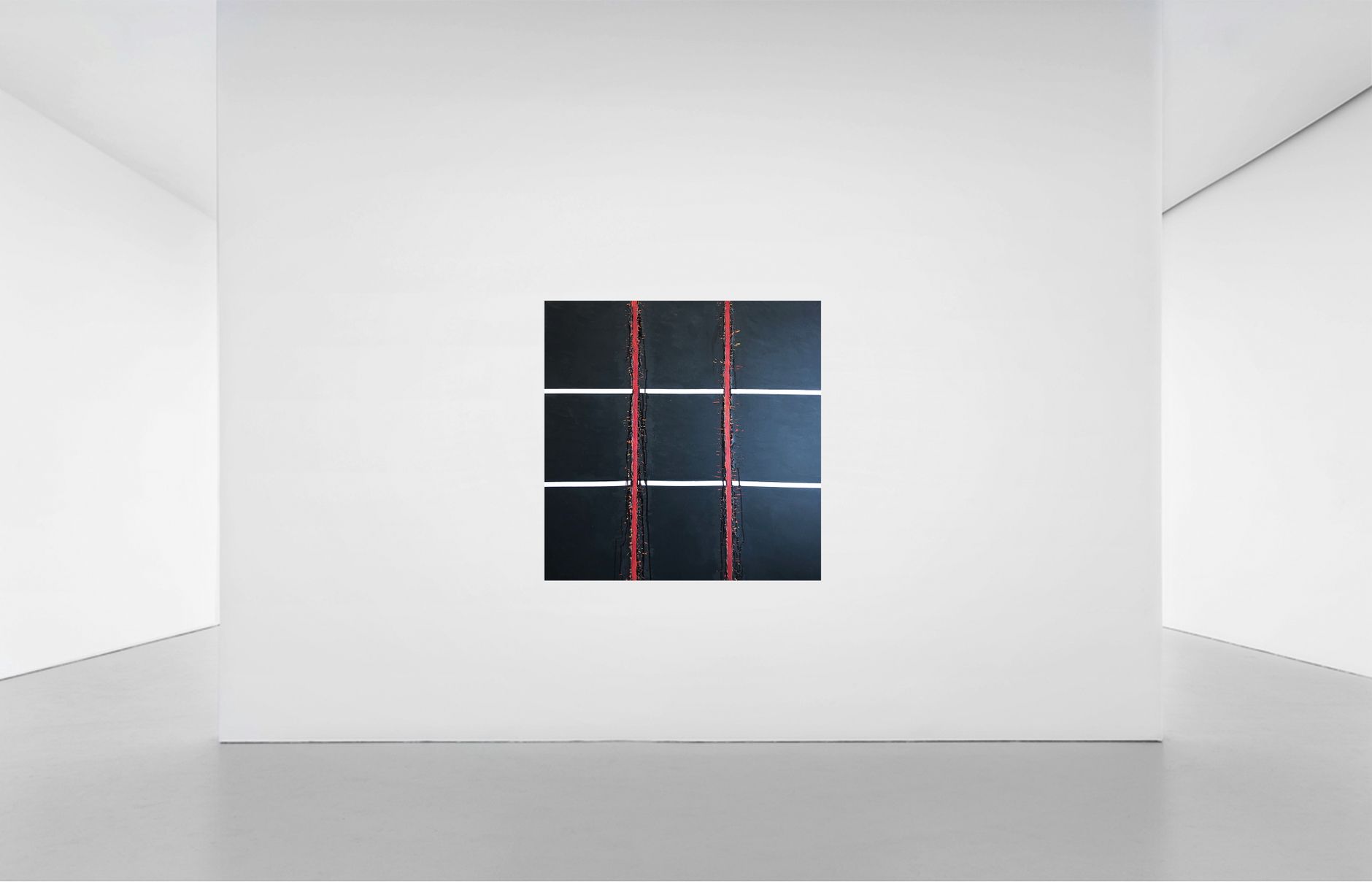
Attractions
MMK Frankfurt: Museum of Modern Art – Locations, Collection & Tips
The MMK Frankfurt across three houses: the 'slice of cake' by Hans Hollein, the Zollamt and the TOWER high-rise. The collection from 1960 onwards, opening hours, admission and a personal route.
Katharina Vogt19 July 2026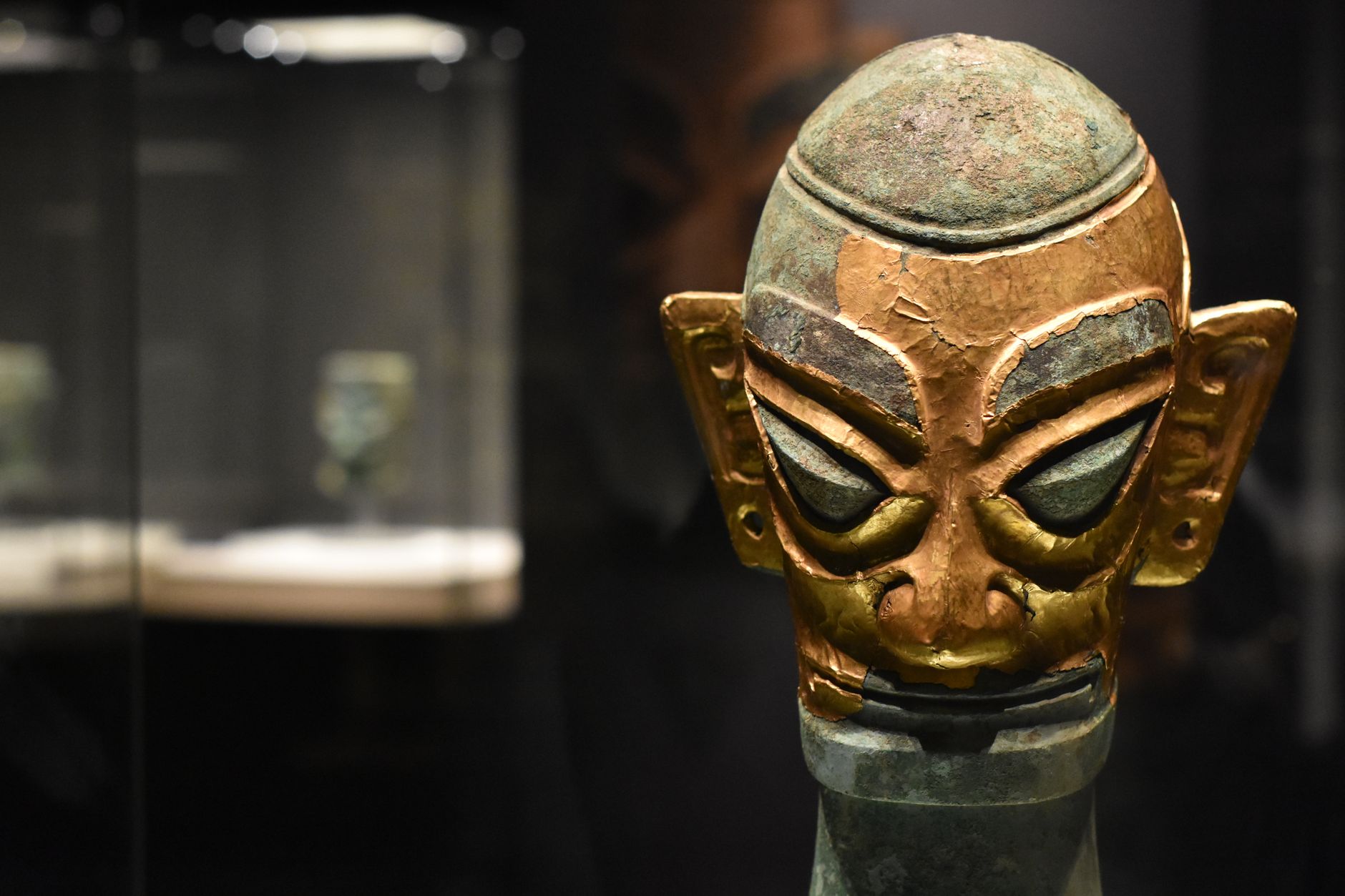
Attractions
Weltkulturen Museum Frankfurt: Collection, Exhibitions & Tips
The Weltkulturen Museum on Frankfurt's Schaumainkai: its ethnographic collection of around 65,000 objects, the no-permanent-display principle, opening hours, admission and tips from a local.
Katharina Vogt14 July 2026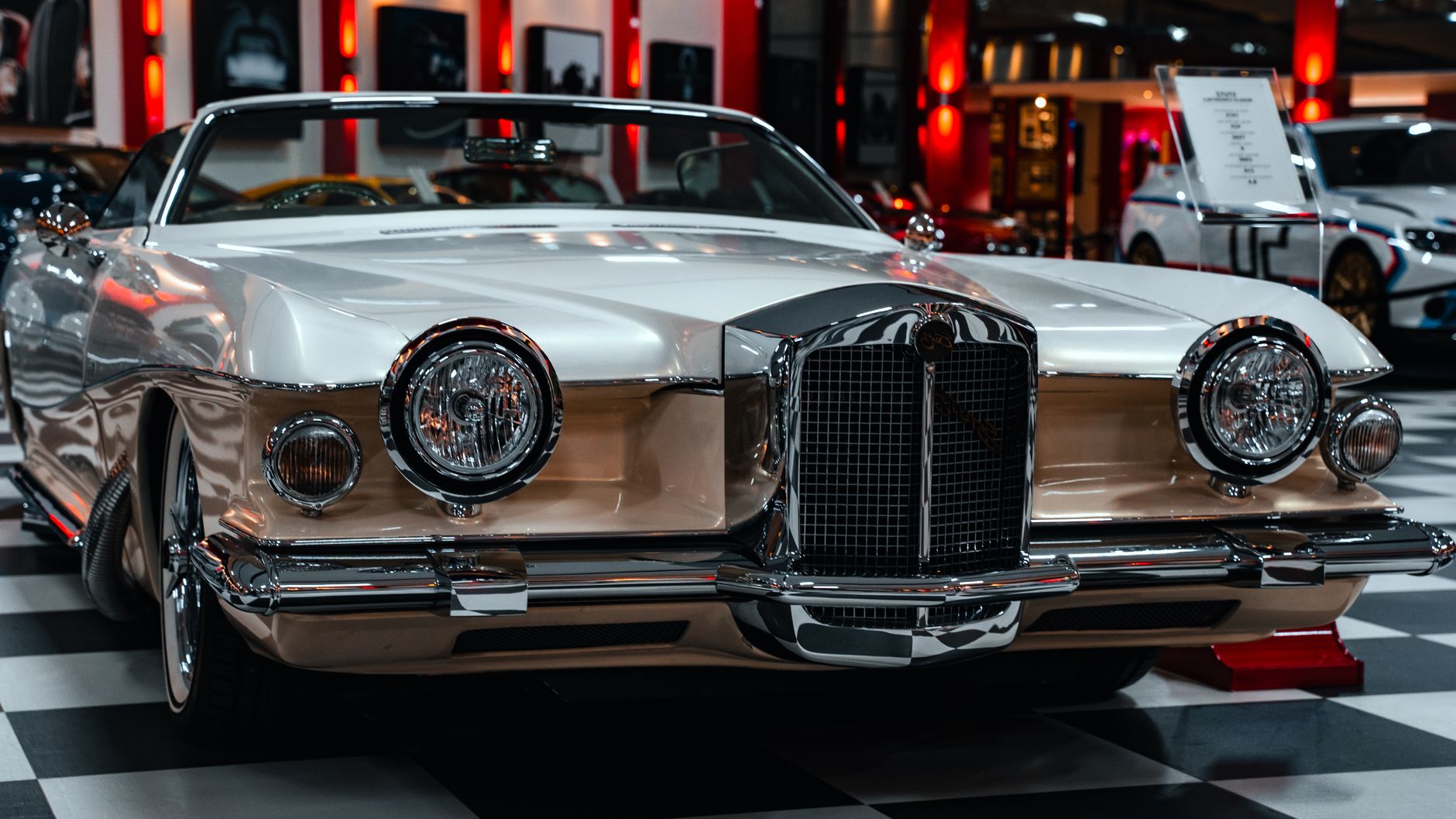
Attractions
Klassikstadt Frankfurt: Classic-Car World in Fechenheim
Klassikstadt in Frankfurt-Fechenheim: classic cars in glazed boxes, specialist workshops, a restaurant and events in a 1910 factory hall — with free entry. Opening hours, directions and tips from a local.
Katharina Vogt13 July 2026