Apple Wine: All About Frankfurt's National Drink
Tart, clear and deeply rooted in Frankfurt: apple wine is more than a drink — it's living culture, made of the Bembel jug, the ribbed glass and long shared tables. All about 'Ebbelwoi', from speierling to the 'Schoppen'.

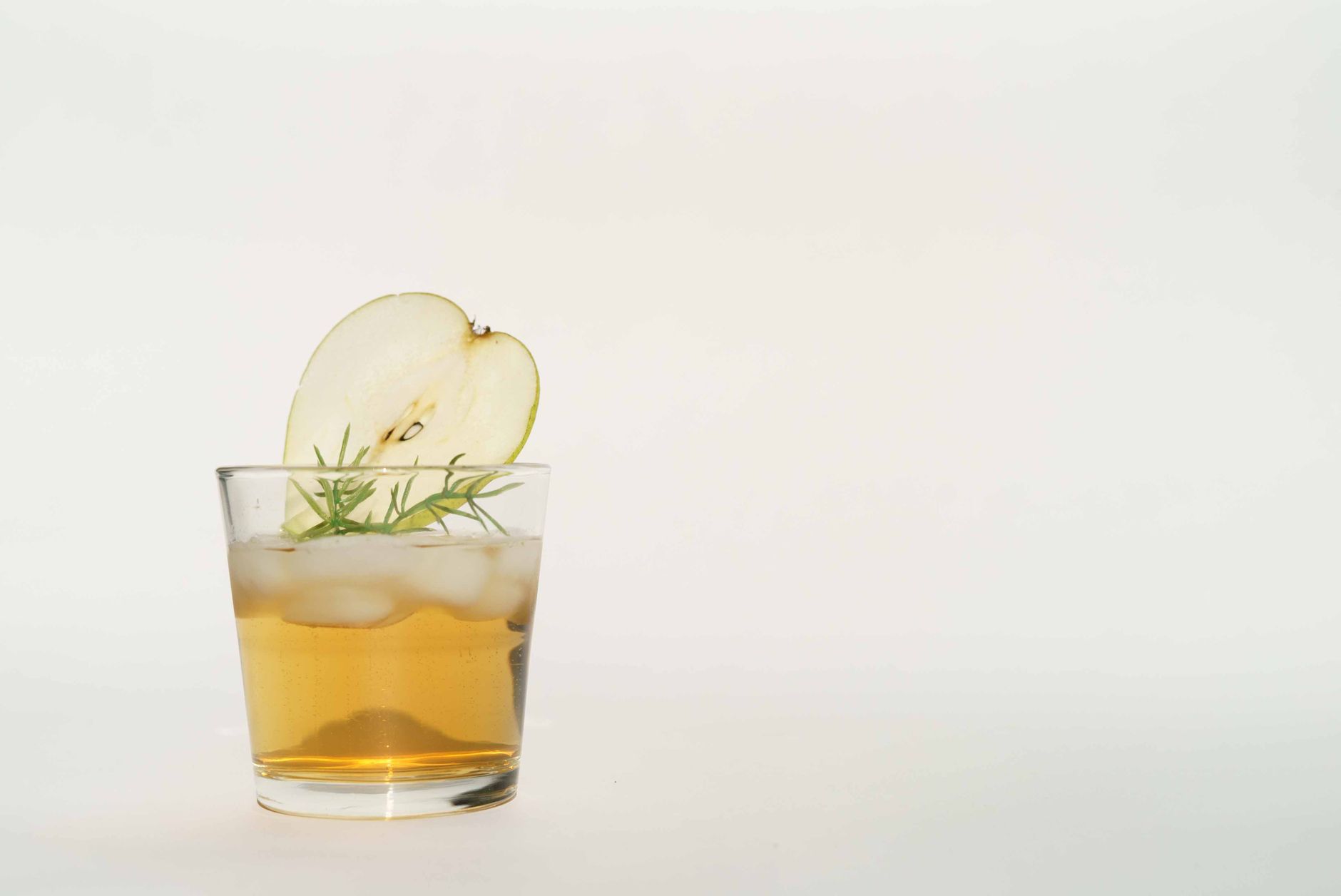
On a mild evening in a Sachsenhausen tavern, when the grey-blue jug travels down the long wooden table and everyone pours for one another, you sometimes understand Frankfurt better than in any museum. Apple wine — called “Ebbelwoi”, “Äppler” or, fondly, “Stöffche” in the Hessian dialect — is this city’s liquid emblem. No other drink says so much about Frankfurters and their way of being sociable. And yet, for many visitors, the first sip is a small surprise: tart, sharply acidic, nothing like the sweet cider they might have expected.
”Ebbelwoi”, “Äppler”, “Stöffche” — one drink, many names
At heart, apple wine is a simple thing: fermented apple juice. But from that simple principle Frankfurt and its surroundings produce a drink with real character. Frankfurt apple wine is tart, clear and pronouncedly acidic, usually with an alcohol content of around five to seven per cent — roughly beer strength. Anyone who confuses it with sweet English or French cider is mistaken: there is no residual sweetness here to round off the flavour, but rather a dry, almost austere freshness that can take some getting used to and then often becomes addictive.
In the Hessian dialect apple wine is called “Ebbelwoi” (also written “Ebbelwei”), “Äppler” or, tenderly, “Stöffche” — the little “something” for your thirst. A glass of it is a “Schoppen”. These are words worth knowing, because in a genuine tavern nobody orders “an apple wine” — you order “e Schoppe”, or a whole “Bembel” for the table.
From apple to Stöffche: how apple wine is made
Traditionally, tart, acidic apple varieties are used for Frankfurt apple wine — not glossy dessert apples from the supermarket, but old cider varieties from the Hessian orchard meadows, the Streuobstwiesen. The apples are pressed in autumn, and the freshly won juice — known here as “der Süße”, the sweet one — begins to ferment through wild and cultured yeasts. The yeast gradually converts the fruit sugar into alcohol; over several weeks the cloudy, sweet must becomes the clear, tart apple wine. On the way there it passes through the stage of the “Rauscher” — the still-fermenting, fizzy-sweet young wine drunk in autumn as a short-lived seasonal speciality.
The real Frankfurt peculiarity, though, is the speierling. This is the fruit of a now-rare tree (Sorbus domestica, the service tree), long cultivated in the Rhine-Main area. Since the end of the 18th century, Frankfurt cider houses have added a small proportion of this tart, tannin-rich fruit to their apple wine. The tannins clarify the wine by binding yeast and suspended solids, make it keep longer, and give it a golden colour and a fine, herbal-tart note. A few per cent of speierling is usually enough, and because the tree has become so scarce, genuine speierling apple wine is a small treasure that many cider houses flag specially on the label. Frankfurt is one of the last places where this tradition has stayed alive.
Since 2010, incidentally, “Hessischer Apfelwein” (Hessian apple wine) has been a protected geographical indication (PGI) under EU law. That means: where it says so, the apples come predominantly from Hessian orchard meadows and the wine is made to defined standards within the region — a quality promise that protects the drink’s rural origins.
Why Frankfurt in particular? A little history
Apple wine has been produced in Frankfurt for more than 400 years — the earliest records date from around 1600. But it only became the true national drink through a disaster. In the 19th century the phylloxera louse swept across Europe’s vineyards and destroyed a large part of the vine-growing land in the Rhine-Main region too. Where vines had grown, people now planted apple trees — and apple wine, until then one drink among many, began its rise. By the middle of the 19th century Frankfurt already counted twelve large cider presses plus countless small operations.
One of them still shapes the city today: the Possmann cider house, founded in 1881 by the wine cooper Philipp Possmann in Frankfurt-Rödelheim and still family-owned. Possmann is the largest apple-wine producer in Hesse; year after year it processes up to 15,000 tonnes of apples and turns out more than ten million litres of apple wine and apple juice. Alongside it, countless small farm presses in the countryside around Frankfurt keep the artisanal tradition alive — often the family still does the pressing itself.
The Bembel and the ribbed glass: the tools of the trade
Two objects make an apple-wine evening complete — and both are Frankfurt icons by now.
The Bembel is the round-bellied jug in which apple wine comes to the table. It is made of grey-blue stoneware and traditionally hand-thrown in the Kannenbäckerland of the Westerwald, with a salt glaze and the characteristic blue decoration. Because every Bembel is handmade, each has its small irregularities in shape and glaze — that’s part of it, not a flaw. It once often came with a pewter lid. It exists in many sizes, from a small jug for two to a mighty Bembel for the whole table; the word itself was first recorded in writing in 1893.
The Geripptes (“the ribbed one”) is the glass that goes with it, named after the diamond-shaped cut that covers it all round. This pattern is no mere decoration — it has two very practical reasons. First, grip: if your fingers are greasy from ribs or Handkäs, the faceted glass is far less likely to slip out of your hand. Second, looks: like a prism, the cut refracts the light and makes even the naturally cloudy, unfiltered apple wine sparkle and glow gold. The Geripptes is also called the “Schoppenglas”, after the old measure known as the Schoppen.
”Neat”, “sour-mixed” or “sweet-mixed”?
Apple wine is drunk neat or mixed — and with these three terms you’ll get by in any tavern:
- Pur (neat): the pure, tart apple wine, the way the purists like it.
- Sauer gespritzt (sour-mixed): topped up with sparkling mineral water, lighter and fizzier, ideal for summer and a long evening.
- Süß gespritzt (sweet-mixed): mixed with lemonade (usually lemon soda), milder and noticeably sweeter — the gateway version for anyone who finds neat Äppler too tart.
And the Schoppen? That’s the classic measure for a single glass. A Schoppen traditionally holds 0.3 litres, which is why the genuine Frankfurt Geripptes is often exactly that size. In some places today you only get 0.25 litres, while the “doubled” half-litre — closer to the old Frankfurt Schoppen measure — has come back into fashion in the taverns. In a group, the best move is simply to order a Bembel and pour for one another: it’s sociable, good value and exactly how it’s meant to be done.
What belongs on the table with it
Apple wine is not a drink to have on its own — it calls for hearty, down-to-earth food, and Hessian tavern cooking delivers exactly that. The classic above all others is Handkäs mit Musik: a translucent, yellowish sour-milk cheese left to marinate in onions, vinegar, oil, salt, pepper and caraway. The “Musik” (music) here is the onions — and the name winks at the digestive sounds raw onions can cause later on. The caraway sprinkled over the top is there for a reason too: it helps digestion. Order the cheese without onions and you get it “ohne Musik” (without music). It comes with buttered bread and, of course, a Schoppen.
Just as typical are Frankfurter Rippchen: cured, gently cooked pork cutlets, served in the classic way with sauerkraut and bread or mashed potato. And then there is Grüne Soße (green sauce), the famous cold herb sauce made from seven herbs — borage, chervil, cress, parsley, salad burnet, sorrel and chives — traditionally served with boiled eggs and potatoes in their skins. Schnitzel, bratwurst, beef sausage and “Schneegestöber” (a creamy spread of mashed camembert and cream cheese) round off the typical apple-wine menu. The pairing of the tart, acidic drink with rich, savoury food is no accident: the acidity of the apple wine cuts through the fat and makes the next bite light again.
Where to experience the real Ebbelwoi
The heart of the apple-wine culture beats in Sachsenhausen, south of the Main, where the traditional taverns with their long tables and snug courtyards crowd together side by side. Which places are worth your while I’ve gathered in my guide to the best apple-wine taverns, and how to explore the district beyond the glass I describe in my wander through Sachsenhausen with apple wine, green sauce and museums. If you’d rather tick off the taverns in a row while seeing the city, climb aboard the Ebbelwei-Express, the colourful historic tram in which the apple wine is poured while you ride.
Apple wine is, for me, Frankfurt in a glass: honest, tart, a little stubborn and at its best in company. It doesn’t set out to please on the first sip — it wants to be enjoyed. Let it surprise you, order a Bembel, reach for the ribbed glass — and once you say “e Schoppe, bitte”, you almost belong here for the evening.
Keep reading
Food & Drink
Apple Wine in Frankfurt: The Best Apple-Wine Taverns
Where to drink real Ebbelwoi in Frankfurt: the best apple-wine taverns in Alt-Sachsenhausen, Bornheim and Seckbach — with addresses, opening hours and tips on the proper etiquette.
Katharina Vogt16 June 2026
Food & Drink
Ebbelwei-Express Frankfurt: The Apple Wine Tram Tour
The Ebbelwei-Express: Frankfurt's colourful apple-wine tram, running since 1977. The loop around the zoo and Sachsenhausen, timetable, prices, what's in the ticket and tips from a local.
Katharina Vogt22 July 2026
Food & Drink
Tipping, Bills and VAT in Frankfurt: What You Actually Pay
How a German restaurant bill works, how much to tip in Frankfurt, and what changed in January 2026 when VAT on restaurant food dropped to 7 per cent — with worked examples, card-versus-cash rules and separate advice for taxis, cafés, bars and apple-wine taverns.
Katharina Vogt19 August 2026
Food & Drink
Breakfast Buffet in Frankfurt: The Best Hotel and Brunch Buffets
Breakfast buffet in Frankfurt: the finest hotel breakfasts and Sunday brunch buffets with prices, times and addresses — from skyline brunch to a budget buffet, recommended by a local.
Katharina Vogt18 July 2026