Apple Wine in Frankfurt: The Best Apple-Wine Taverns
From the bustle of the Klappergasse to the quiet garden tavern: my guide to Frankfurt's apple-wine houses — where to sit on the long benches, what to order and how to behave.

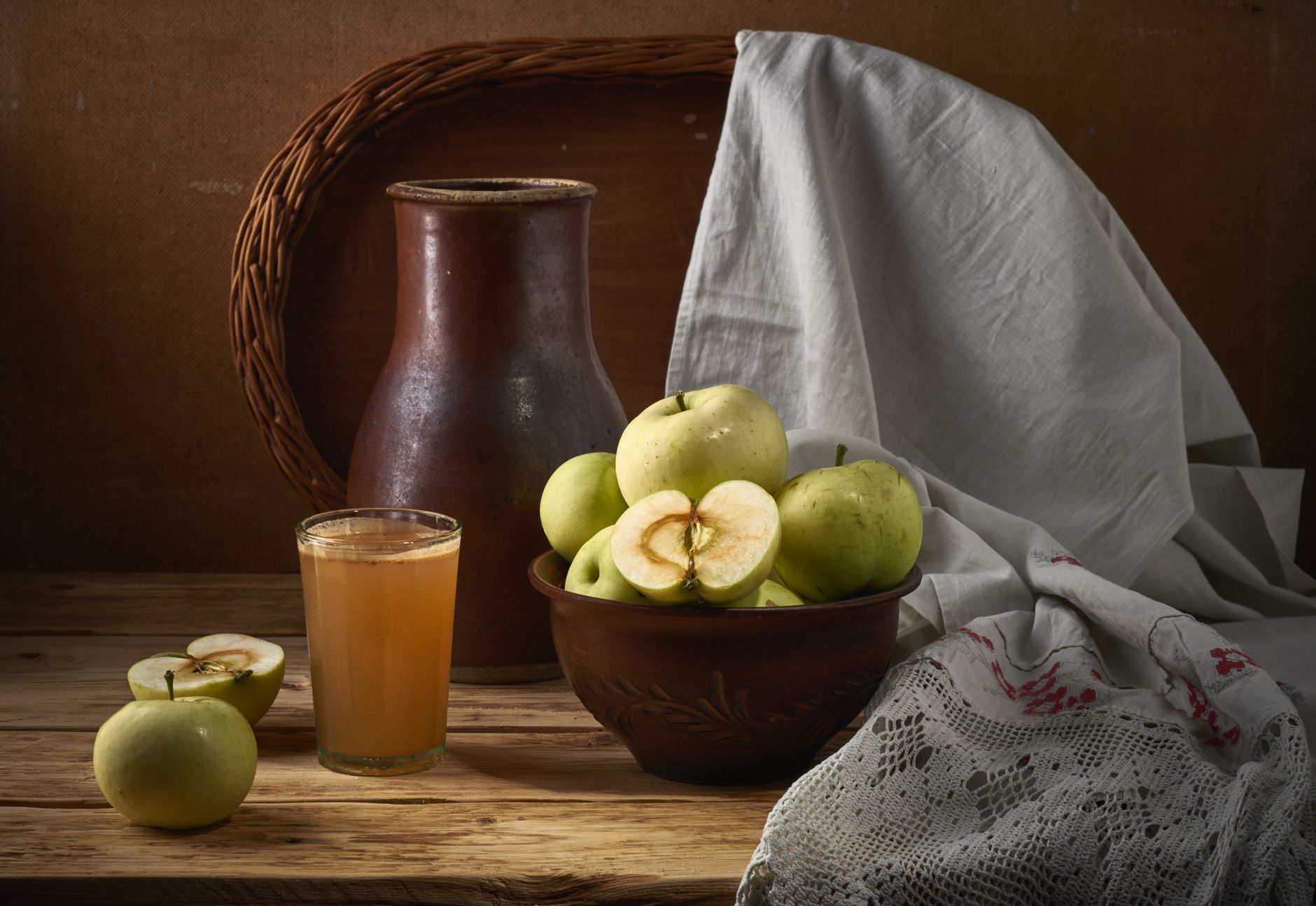
There’s a sound every Frankfurter knows in their sleep: the fat clink of a thick, ribbed glass on solid wood, followed by the soft hiss of sparkling water running into the apple wine. In that moment, at a long table with strangers’ elbows to your left and right, you forget entirely that the banking towers are standing just outside. Frankfurt beats its heartiest heart in the apple-wine tavern. What Ebbelwoi actually is, how it’s pressed and why it counts as Hesse’s national drink I’ve covered at length in my portrait of the drink itself. This piece is about the other, equally important half: the places. The taverns where you drink the “Stöffche”.
I’ve been sitting in these rooms for over twelve years — in the chestnut gardens in summer and in the snug, low-ceilinged parlours in winter — and I’ve tasted my way across the city from north to south. This is my guide: the addresses I give friends, what you should eat at each, and the small rules that stop you looking like an “Ebbelwoi philistine”.
”Angemerkt!” — how to behave in the tavern
Before we get to the venues, a quick etiquette lesson, because the apple-wine tavern has rituals of its own. The glass is called the “Geripptes”: a thick-walled beaker with a diamond-cut pattern. That pattern isn’t decoration — it once kept greasy boatmen’s hands from losing their grip, and it still stops the glass from slipping today.
You order by the Schoppen (usually 0.3 litres) or go straight for a Bembel, the grey-blue stoneware jug. Historically a Bembel held exactly eight Schoppen; today it comes in various sizes for the table. If you find the roughly six per cent alcohol a little strong, order it “sauer gespritzt” — apple wine with sparkling water. The order matters: the water goes into the glass first, the wine afterwards. Ask for it “sweet” and you get lemonade instead; the old guard will smile indulgently, but no one will stop you. You clink glasses with a firm “Angemerkt!” and — crucially — while looking your companion in the eye. Look away, and folk belief promises you seven years of bad luck.
Two practical points. First: you share the bench. In a full tavern you sit down with strangers, nod hello and often end up chatting — that isn’t an imposition, it’s the whole point. Second: cash. Many of the old houses still take only cash, or at most a debit card, and hardly any accept credit cards. And it’s cheap: at the Atschel, for instance, a Schoppen of their self-pressed wine costs €2.80 (0.3 l) and a half-litre €4.60 (as of 2026) — apple wine remains one of the most honest drinks in the city.
Alt-Sachsenhausen: the heart of the Ebbelwoi
When you think of apple wine you think of Sachsenhausen — specifically the narrow, cobbled Alt-Sachsenhausen south of the Main. Around the Klappergasse, with its famous Frau Rauscher fountain (which will spit water at you given the chance), tavern follows tavern. Yes, the quarter is touristy, and on weekend evenings the lanes get loud. But the good addresses hold their quality, and by day and mid-week it’s a delight. For how the district ticks beyond the pubs — the Museumsufer, the green sauce — see my Sachsenhausen walking guide.
Roughly speaking there are two zones. Schweizer Straße is the calmer, more respectable strip; the lanes around the Große Rittergasse and the Klappergasse are rowdier after dark. Getting there: for Schweizer Straße take the U-Bahn to Schweizer Platz (U1/U2/U3/U8); for the lanes, the Lokalbahnhof S-Bahn stop (S3–S6) or trams 15, 16 and 18.
Apfelwein Wagner (Schweizer Straße 71)
For many people — myself included — the first address. Adolf Wagner opened here in 1931, and Frankfurters of every generation still sit in the lovely courtyard beneath old half-timbering. It’s loud, busy and usually in a fine mood; the waiting staff are quick, sharp-tongued and warm. On the table come Handkäs mit Musik, Rippchen with sauerkraut and all the classics done just as they should be. Open daily from 11 a.m. to midnight — handy when others have their day off.
Zum Gemalten Haus (Schweizer Straße 67)
Right next door, wearing the best-known face on the street: in 1976 the façade was given a mural of scenes from Frankfurt life, hence the name (the “painted house”). Inside it’s rustic and unfussy but honest and good — the green sauce is freshly grated. Note: closed Mondays, otherwise Tuesday to Sunday from 10 a.m. to midnight. It’s one of the oldest apple-wine taverns in the city, and popular accordingly.
Dauth-Schneider (Neuer Wall 5–7)
Wine has been poured here since 1850, and it shows. In good weather the goal is the sprawling garden with its wooden benches; inside you sit in panelled parlours. Alongside the Frankfurt classics the menu also runs to Alsatian dishes. Because plenty of locals drink here, the noise level is often gentler than right on the Klappergasse.
Daheim im Lorsbacher Thal (Große Rittergasse 49–51)
If you want to treat apple wine as a serious subject for the palate, come here. The Lorsbacher Thal keeps one of the longest apple-wine lists anywhere — by its own count over 250 different wines, from single-variety Speierling to rarities from small presses. The kitchen leans Slow Food and regional. A wonderful place to taste your way through the full range of what apple wine can be. Open Mon–Fri from 5 p.m., Saturday and Sunday from noon.
Fichtekränzi (Wallstraße 5)
One of the oldest taverns in the city (since 1849) and my favourite for a cosy evening for two or four. The little beer garden is hotly sought-after in summer; inside it’s tight and warm, and there’s live music now and then. The mood is more family-run and a touch younger than in the big halls nearby. Book at weekends, or you won’t get a seat.
Atschel (Wallstraße 7) and Zum Eichkatzerl (Dreieichstraße 29)
Two more classics I like to mention in the same breath. The Atschel occupies a house from 1861 and has carried its name for well over a century; here you get solid self-pressed apple wine and honest home cooking (Tue–Sun 12–11.30 p.m., closed Mondays). The Eichkatzerl, recorded since around 1880 as a former Heckerwirtschaft (a licensed home tavern), sits a little off the main drag towards Südbahnhof, with a dark-panelled parlour and a shady garden — quieter, if the Klappergasse feels too much.
Green and quiet: Zur Buchscheer in southern Sachsenhausen
My favourite insider tip is still in Sachsenhausen, but far enough from the fray that most visitors never find it: Zur Buchscheer at Schwarzsteinkautweg 17. The family has pressed its own apple wine here since 1876, now in the fifth generation. The heart of the place is the huge, secluded garden under old trees — on a mild summer evening it feels like sitting in a village farmyard, though you’re in the middle of the city. Open Mon–Fri from 4 p.m., weekends from noon. If you want to experience Alt-Sachsenhausen without a single stag party in sight, this is the answer.
Neighbourhood pubs: Bornheim over the tourist strip
Plenty of Frankfurters don’t drink their apple wine in Sachsenhausen at all, but in their own quarter. The loveliest way to do that is on the upper Berger Straße in Bornheim — reached by the U4 (Höhenstraße or Bornheim Mitte) and tram 12. Here you meet fewer coach groups and more regulars.
Apfelwein Solzer (Berger Straße 260) is one such place: the Solzer family has run it since 1893, now in the fifth generation, and presses its own wine. Dark wood, sturdy tables, a short menu, good wine — plus hearty dishes like schnitzel with fried potatoes (Mon–Fri from 5 p.m., Sat from noon, Sun 12–10 p.m.). A few doors along waits Zur Sonne (Berger Straße 312), a rustic inn whose origins reach back to 1768, with a snug inner courtyard (Wed–Sun from 5 p.m., closed Mondays and Tuesdays). The contrast with Sachsenhausen is marked: quieter, slower, more neighbourhood.
Further out: Zum Rad in Seckbach
When I have the time and the appetite for a little country air, I head out to Seckbach to Zum Rad at Leonhardsgasse 2. Apple wine has been pressed here since 1806, exclusively from the fruit of local orchard meadows and entirely on the premises. The “Radgarten” under mighty chestnut trees is a dream on summer evenings, and because the place sits well off any tourist route it’s mostly Seckbach locals at the tables. A proper excursion tavern: combine it with a walk through the orchard meadows below the Lohrberg and the Schoppen tastes twice as good.
What goes with it: the food
You never drink apple wine on an empty stomach. Every good menu carries the classics inseparable from Ebbelwoi: Handkäs mit Musik, the sour milk cheese in a vinegar-oil-onion marinade (the “music” comes later), eaten with bread and butter. Green sauce made from seven herbs with egg and potatoes — if it’s too runny it’s no good; done well it’s creamy. And Rippchen with sauerkraut, cured pork with sauerkraut and mashed potato. If you want something lighter, order “Schneegestöber” (a whipped camembert-and-cream-cheese spread with onions) on bread. The tart acidity of the wine gets on beautifully with all of it. Why Frankfurt reveres its green sauce in particular — from the seven protected herbs to the festival on the Roßmarkt — I explain in my dedicated green sauce guide.
And if you fancy something playful
You don’t even have to stay seated to experience apple wine. The historic Ebbelwei-Express, the brightly painted vintage tram, trundles through the city at weekends — Bembel and pretzel included. As a cheerful warm-up before the tavern evening proper, it’s huge fun, especially with groups or children.
My ideal apple-wine evening goes like this: start early in Wagner’s courtyard while the sun still falls on the half-timbering, a Schoppen and a Handkäs. Then over to the Lorsbacher Thal to try a single-variety wine you’d never otherwise get. And to round off, into the tight little garden of the Fichtekränzi, where it grows quieter and you fall into conversation with your neighbours. If you want to skip the tourist scenery altogether, leave Sachsenhausen out and spend the whole evening at Solzer in Bornheim. Either way the rule holds: sit down, order a Bembel, look your companion in the eye — and then: “Angemerkt!”
Keep reading
Food & Drink
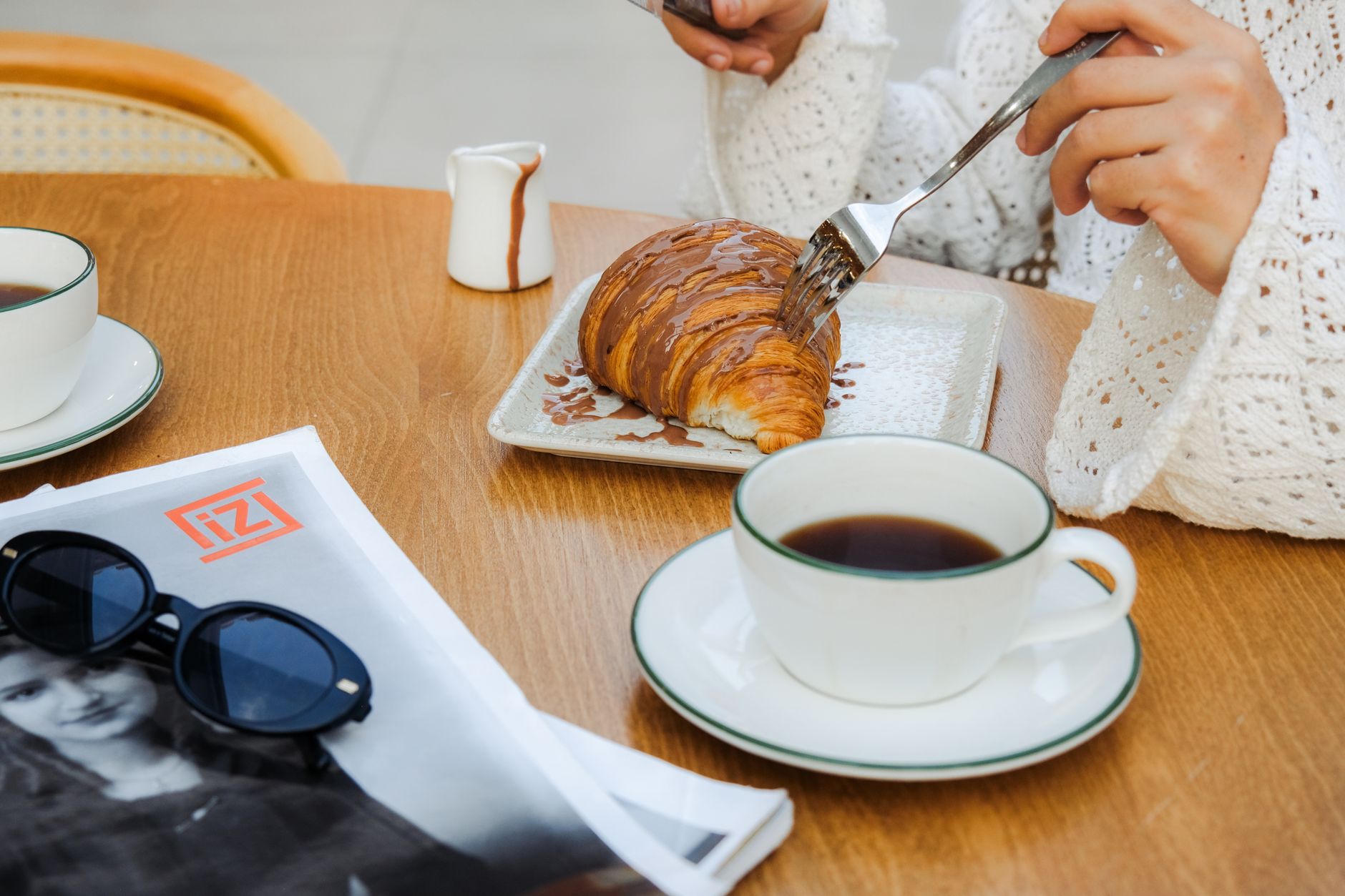
Breakfast & Brunch in Frankfurt: The Best Cafés
Where to have a really good breakfast and brunch in Frankfurt: the best cafés in the Nordend, Bornheim, Sachsenhausen, the city centre and the Bahnhofsviertel — with addresses, specialities and honest reservation tips from a local.
Katharina Vogt19 June 2026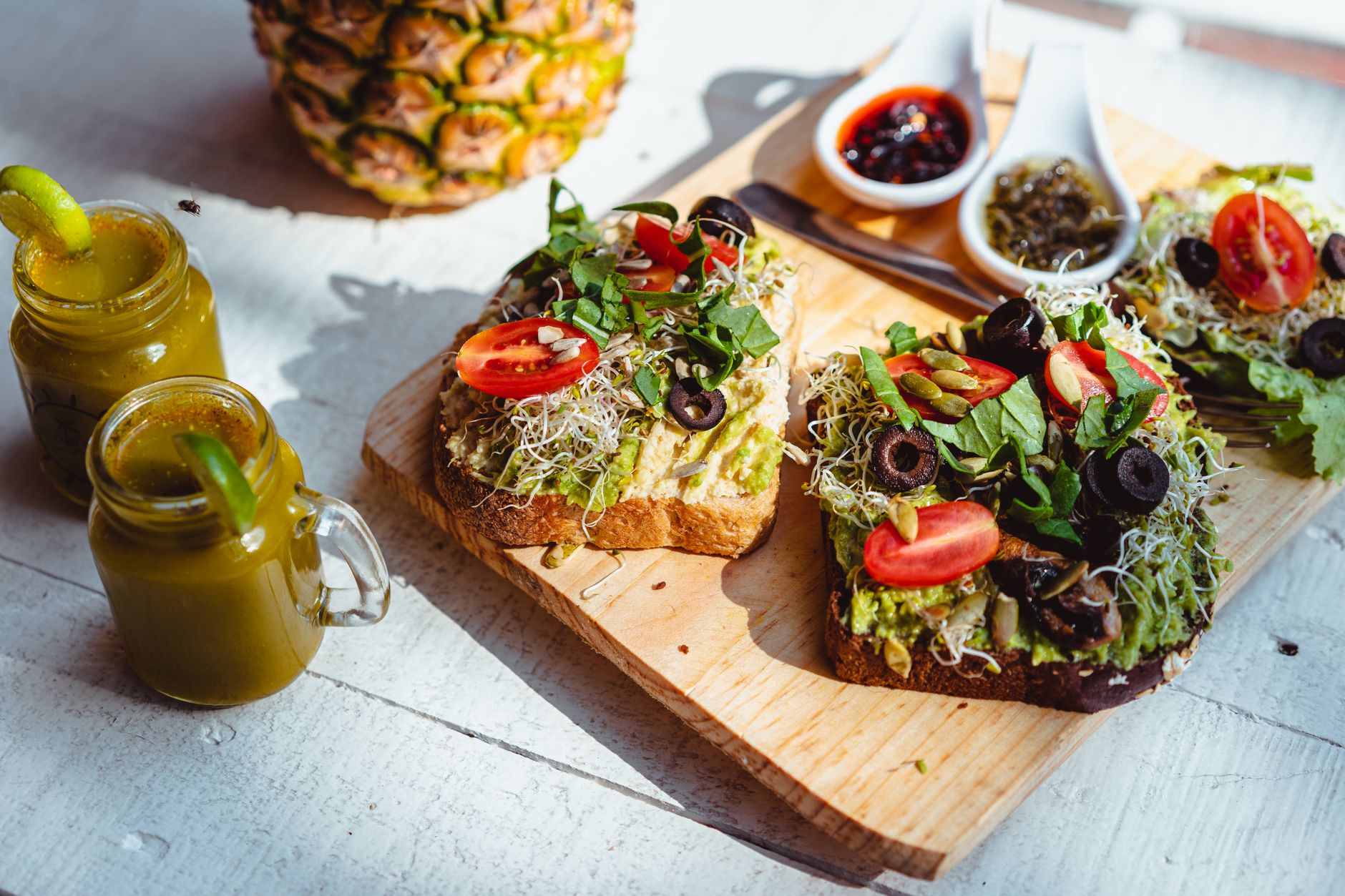
Food & Drink
Vegan Breakfast in Frankfurt: The Best Cafés & Brunch Spots
Fully vegan cafés and vegan-friendly breakfast spots in Nordend, Bornheim, Bockenheim and the city centre — with addresses, what I actually order and tips for weekend brunch.
Katharina Vogt17 July 2026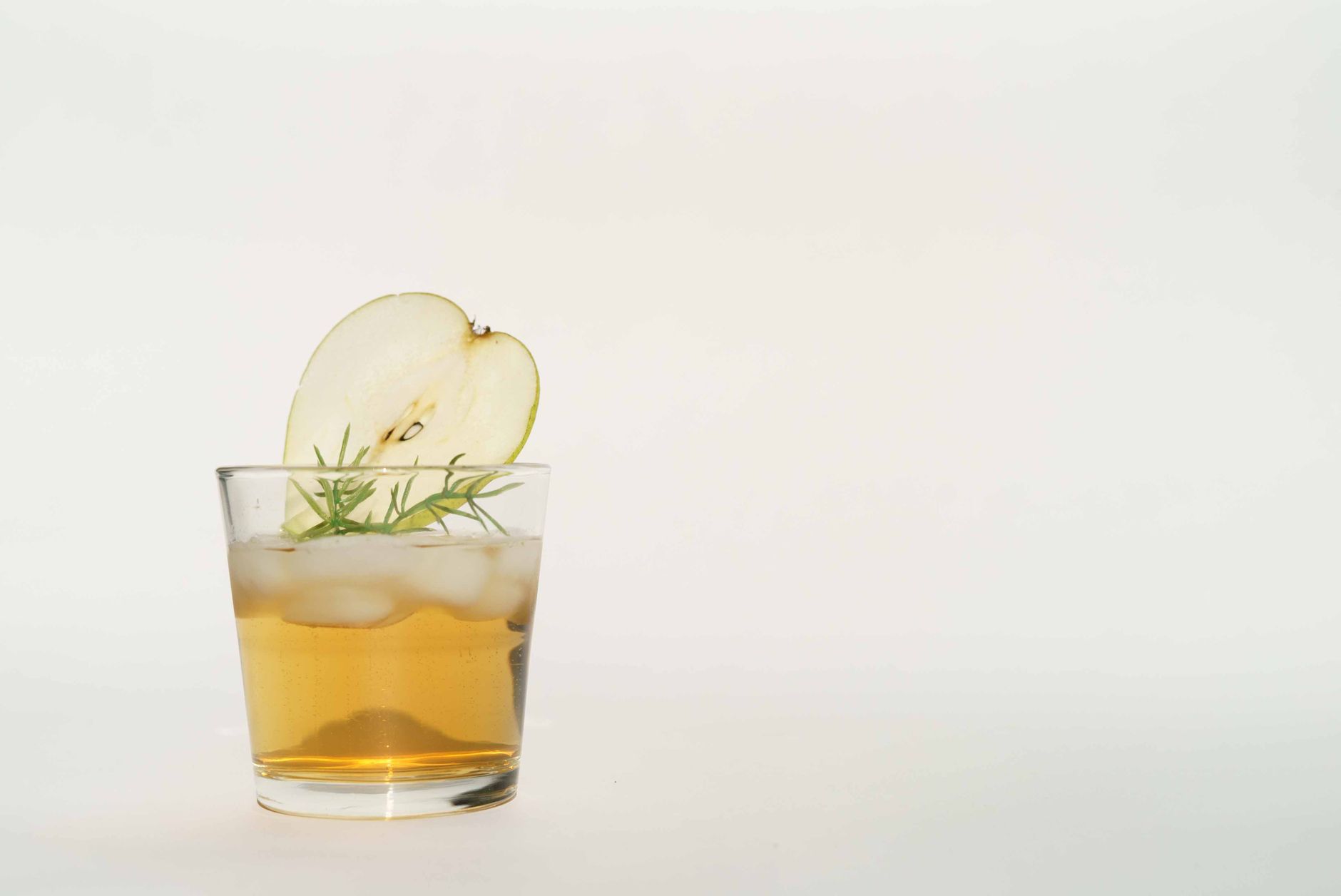
Food & Drink
Apple Wine: All About Frankfurt's National Drink
Frankfurt's 'Ebbelwoi' from A to Z: what apple wine is, how it's pressed with speierling, why the ribbed glass is ribbed, what 'sauer gespritzt' means and what to eat with it.
Katharina Vogt16 July 2026
Food & Drink
The Best Restaurants in Frankfurt: A Guide by Cuisine & District
Where to eat really well in Frankfurt: Hessian classics in Sachsenhausen, world cuisine in the Bahnhofsviertel and three two-star kitchens — sorted by district and cuisine, with honest tips from a local.
Katharina Vogt16 June 2026