The Best Restaurants in Frankfurt: A Guide by Cuisine & District
From Handkäs in the Bembel to a two-star menu: Frankfurt eats far more varied than its reputation suggests. A guide through the city's districts and cuisines — with real addresses.

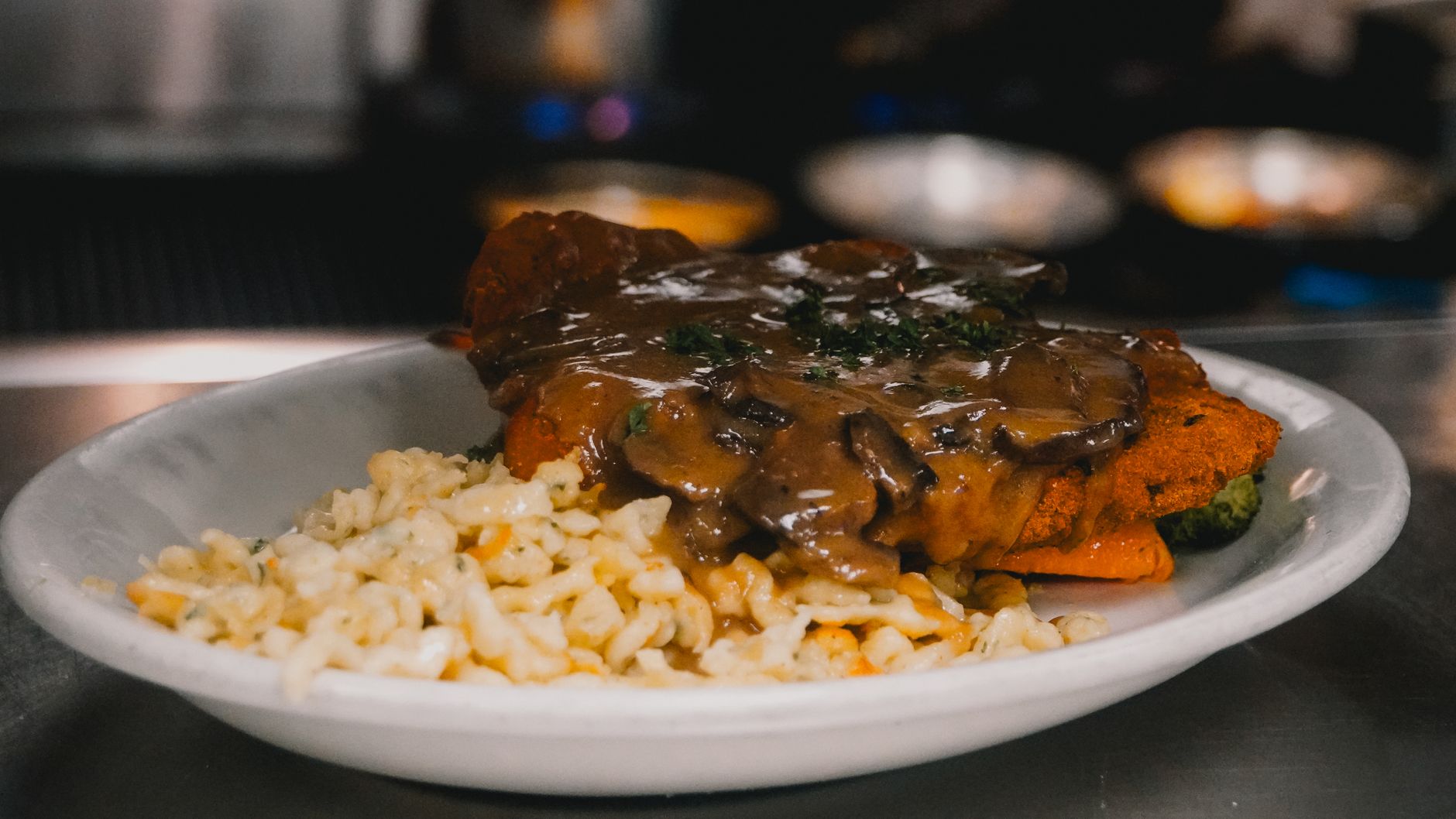
Frankfurt was long seen as a city for working, where the eating and enjoying happen elsewhere. Anyone who walks the districts today with open eyes — and an empty stomach — soon realises how out of date that picture is. Here, only a few U-Bahn stops separate the apple-wine tavern with its Handkäs from the two-star tasting menu. And because Frankfurt is compact, almost every district has its own culinary character: in Sachsenhausen you drink Äppelwoi, in the Bahnhofsviertel you eat your way around the world, in Bornheim the neighbourhood cooks. So I’ll sort the scene for you by district and cuisine — and tell you where it’s genuinely worth it.
Hessian & traditional: Sachsenhausen
If you have only one evening for typical Frankfurt cooking, spend it in Alt-Sachsenhausen, the heart of apple-wine culture. Here the “Äppelwoi” comes to the table in the bulbous Bembel jug, alongside hearty classics: green sauce with egg and jacket potatoes, Handkäs mit Musik, Rippchen with sauerkraut, or schnitzel with green sauce.
Two long-established houses stand almost door to door on the same street and are my first choice. Apfelwein Wagner (Schweizer Straße 71) has pressed its own must since 1931 and serves it at long wooden tables where you inevitably fall into conversation with your neighbours. A few house numbers along is Zum Gemalten Haus (Schweizer Straße 67), one of the city’s oldest apple-wine taverns, unmistakable for its painted façade of Hessian scenes; the cider matures downstairs in large wooden barrels. In both places a main course usually costs around €10 to €15 — honest, hearty and without any show.
A word from experience: avoid the noisiest party lanes around the Klappergasse, where the evening is more about volume than kitchen craft. Seek out a quieter, family-run place instead. If you want to dive deeper into apple-wine culture, my guide to the best apple-wine taverns has more addresses; and for what Sachsenhausen offers beyond Äppelwoi and green sauce, see my walk through Sachsenhausen.
That Sachsenhausen is no longer only about tradition is clear at Eighty Nine in the Kennedy 89 design hotel (the former Villa Kennedy): here Levantine cuisine is served to share, in a completely different register from the apple-wine parlours next door.
Around the world: the Bahnhofsviertel
No district has changed as radically as the Bahnhofsviertel. From the once-seedy quarter right behind the main station has grown Frankfurt’s most exciting eating district — densely packed with venues from all over the world, ideal for moving from plate to plate.
Trend-setting was Maxie Eisen (Münchener Straße 18), named after a figure from Chicago’s Prohibition era: at the front a Jewish-American deli with pastrami and Reuben sandwiches, behind the sliding door one of the city’s most atmospheric cocktail bars. A few streets away, Soi 22 (Düsseldorfer Straße 22) stands for uncompromisingly authentic Thai cooking. It’s a tiny, family-run place — the mother cooks, the son works the floor — famous for its boat noodles. There are no reservations and you’ll queue in the evening, but the homemade noodles are worth the wait.
Top-end dining has arrived in the district too: Sommerfeld, in the former premises of Weinsinn, holds a Michelin star (more on that shortly).
Bornheim & the Nordend: where the neighbourhood eats
Away from the bustle lies the relaxed Frankfurt. In Bornheim, around Berger Straße, it’s the neighbourhood that eats, not the guidebook. My favourite there is the Bornheimer Ratskeller (Kettelerallee 72): seasonal, resolutely regional cooking with a nose-to-tail ethos and ingredients from nearby producers, plus a shady beer garden in summer. Solid, craft-driven food at fair prices — exactly what “home-style” ought to mean. It’s open evenings, Tuesday to Saturday.
The neighbouring Nordend is homely and full of small places where regulars come and go — and, as you’ll see next, it’s especially strong on plant-based cooking.
Plant-based: Frankfurt’s green scene
Frankfurt now ranks among the most exciting cities in Germany for vegetarian and vegan food — and this is long since no exercise in doing without, but a self-assured scene of its own.
- Kuli Alma (Zum-Jungen-Straße 10, Nordend) cooks purely vegan with an Israeli-Mediterranean hand: colourful, spicy, full of mezze. In 2025 it was named among Germany’s top-50 vegan restaurants.
- Tonka (Friesengasse 19, Bockenheim) does inventive vegetable-forward cooking, its menu changing every two months — a small set menu in the evening, a fine brunch on Sundays.
- VEVAY (Neue Mainzer Straße 20, city centre) is the easy-going option right in town: bowls, burgers and rotating dishes, all vegetarian to vegan, ideal for a good, quick lunch.
And at the very top? The starred restaurant Seven Swans is regarded as one of the finest fully plant-based addresses in the country — more on that now.
Michelin dining: Frankfurt at the top
Frankfurt has become a genuine star city, and the 2026 Michelin Guide confirmed it emphatically: three houses now hold two stars.
At the peak stands Lafleur (Palmengartenstraße 11) in the Palmengarten. Andreas Krolik cooks here at the very highest level and is one of the few two-star chefs to offer a completely self-contained vegan menu (“Ethical Vegan Cuisine”) alongside the classic one. In 2026 two new double stars joined it: Rausch (Reuterweg 57) by Jochim Busch and Philipp Günther — in the very rooms where Gustav once held two stars — and the dune by Niclas Nußbaumer in the new hotel The Florentin (the former Villa Kennedy) in Sachsenhausen, which the Guide also named “Opening of the Year”.
Added to that is a dense line-up of one-star houses (as per the 2026 Michelin Guide):
- Seven Swans (Mainkai 4) — fully plant-based, in the city’s narrowest building right on the Main; much of the produce comes from its own permaculture farm north of Frankfurt.
- Erno’s Bistro (Liebigstraße 15, Westend) — continuously starred since 1998, classic French cuisine by Valéry Mathis, with wood panelling and over 600 wines in the cellar.
- Lohninger (Schweizer Straße 1, Sachsenhausen) — Mario Lohninger’s Austrian-meets-the-world cooking on the riverbank, newly starred in 2026.
- Villa Merton (Am Leonhardsbrunn 12) — creative and regional in the elegant diplomatic quarter.
- Plus bidlabu, the Japanese Masa, the Main Tower Restaurant & Lounge high above the city, and the aforementioned Sommerfeld.
How fast this scene turns is shown by another piece of news from the 2026 Guide: the long-standing Italian flagship Carmelo Greco (Ziegelhüttenweg 1–3, Sachsenhausen) lost its star after many years — the cooking there is still first-rate, though, and anyone after classic, refined Italian food remains in good hands.
If you’d like to visit a starred house, book well ahead — often weeks in advance — and expect set menus in the evening. The more affordable way in is almost always the lunch menu: at Lafleur, for instance, midday brings the leaner “Casual” and “Casual Green” options. And if you want to combine the starred plate with a view, the Main Tower and my overview of rooftop bars and restaurants will give you the right altitude.
The Kleinmarkthalle: eat like a Frankfurter
My most honest tip for lunchtime isn’t an address with tablecloths but the Kleinmarkthalle (Hasengasse 5–7) in the city centre. At around 160 stalls Frankfurters buy their groceries — and eat in between right at the counter: a grilled sausage (the queue at Schreiber’s stand is legendary), fresh fish, cheese, plus a glass of wine at the upstairs wine gallery. Lunch here costs about €10 to €15. It’s loud, busy and absolutely authentic. It’s open Monday to Friday from 8 a.m. to 6 p.m. and Saturday until 4 p.m.; on Sundays everything stays shut.
Frankfurt specialities that belong on your list
Wherever you eat, a few local classics deserve a try:
- Green sauce (Grüne Soße): the cold sauce of seven herbs (borage, chervil, cress, parsley, salad burnet, sorrel, chives), classically with egg and jacket potatoes.
- Handkäs mit Musik: sour-milk cheese marinated in vinegar, oil and onions — not for delicate noses, but a must.
- Rippchen with sauerkraut and Frankfurt sausages: hearty cornerstones of Hessian cooking.
- Frankfurt schnitzel: classically served with green sauce.
- Something sweet: Bethmännchen (marzipan pastries with three almonds) and the Frankfurter Kranz.
With it, a glass of apple wine — or, alcohol-free, a “Süßgespritztes” (apple juice with lemonade).
Practicalities: reservations, prices, tipping
- Reserving: at popular venues and generally at the weekend, a reservation is advisable; for starred houses, often weeks ahead. Exceptions such as Soi 22 deliberately take no bookings — there, only coming early helps.
- Prices: in apple-wine taverns and the Kleinmarkthalle a main course usually runs €10 to €15, in the upmarket mid-range more like €15 to €30, and in the starred houses considerably above that.
- Closing days: many smaller venues have a closing day (often Sunday or Monday) — check in advance.
- Tipping: around 5 to 10 per cent is customary, often rounded up. State the total you want directly when you pay. How a German bill is put together, why splitting it is entirely normal here, and what the 2026 shift to 7 per cent VAT on food means in practice are all covered in my piece on tipping, bills and VAT.
- Breakfast & brunch are a chapter of their own: for where Frankfurt breakfasts best at the weekend, I’ve gathered it all in my guide to breakfast and brunch.
My perfect eating day in Frankfurt
When friends come to stay, I like to plan the day like this: at midday a foray through the Kleinmarkthalle, a sausage eaten standing up and a glass of wine on the gallery. In the afternoon a coffee in the Nordend, before heading to Sachsenhausen in the evening — a glass of Äppelwoi and green sauce at Apfelwein Wagner. Anyone after the grand occasion swaps that last stop for a menu at Lafleur or Seven Swans and books a table in good time.
In the end, that is precisely Frankfurt’s strength: the city doesn’t force you to choose between the Bembel and the tasting menu. Take the districts as your guide, give yourself time, and while you eat you’ll get to know, almost incidentally, the many different faces of this often underrated city.
Keep reading
Food & Drink
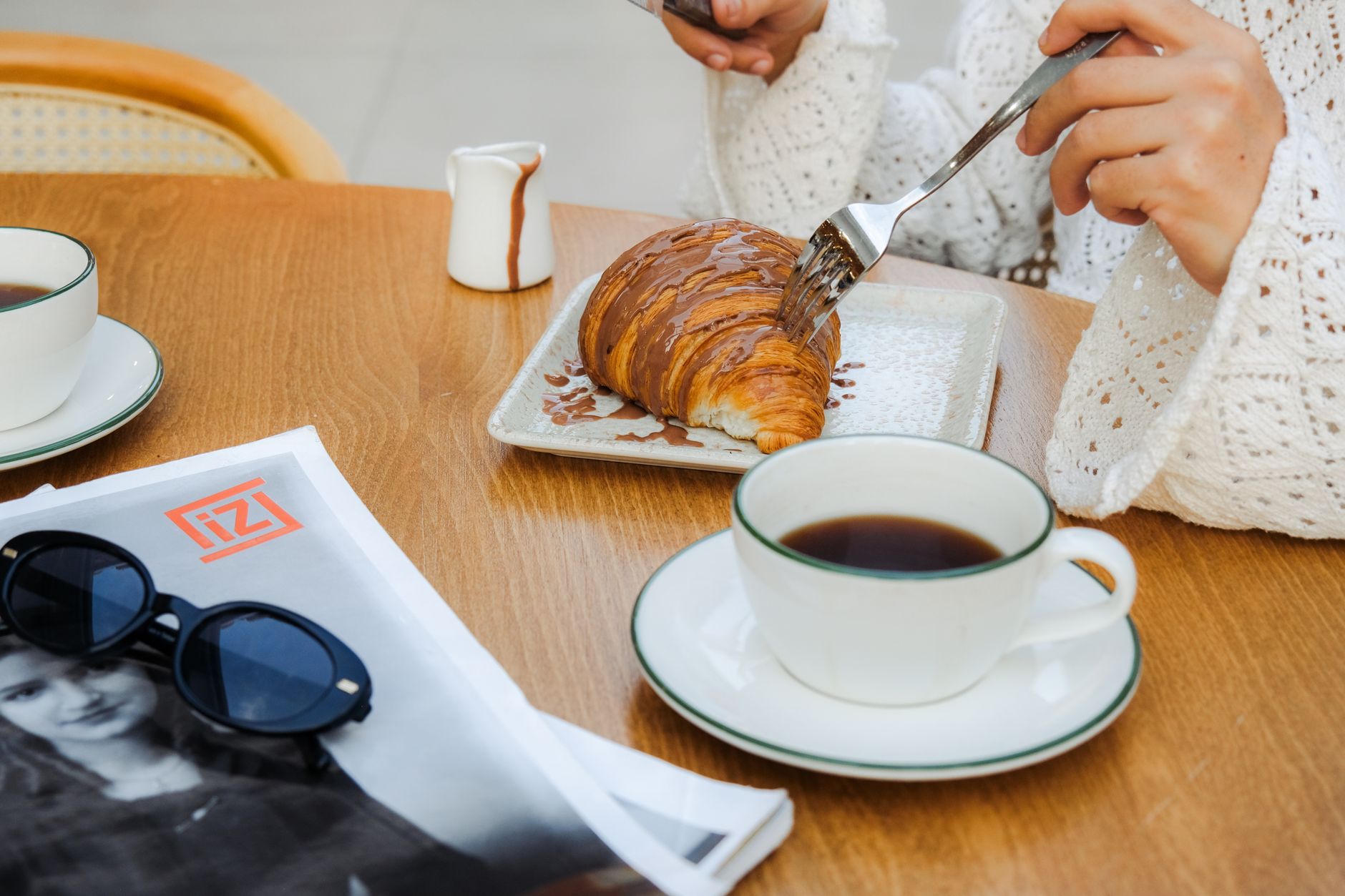
Breakfast & Brunch in Frankfurt: The Best Cafés
Where to have a really good breakfast and brunch in Frankfurt: the best cafés in the Nordend, Bornheim, Sachsenhausen, the city centre and the Bahnhofsviertel — with addresses, specialities and honest reservation tips from a local.
Katharina Vogt19 June 2026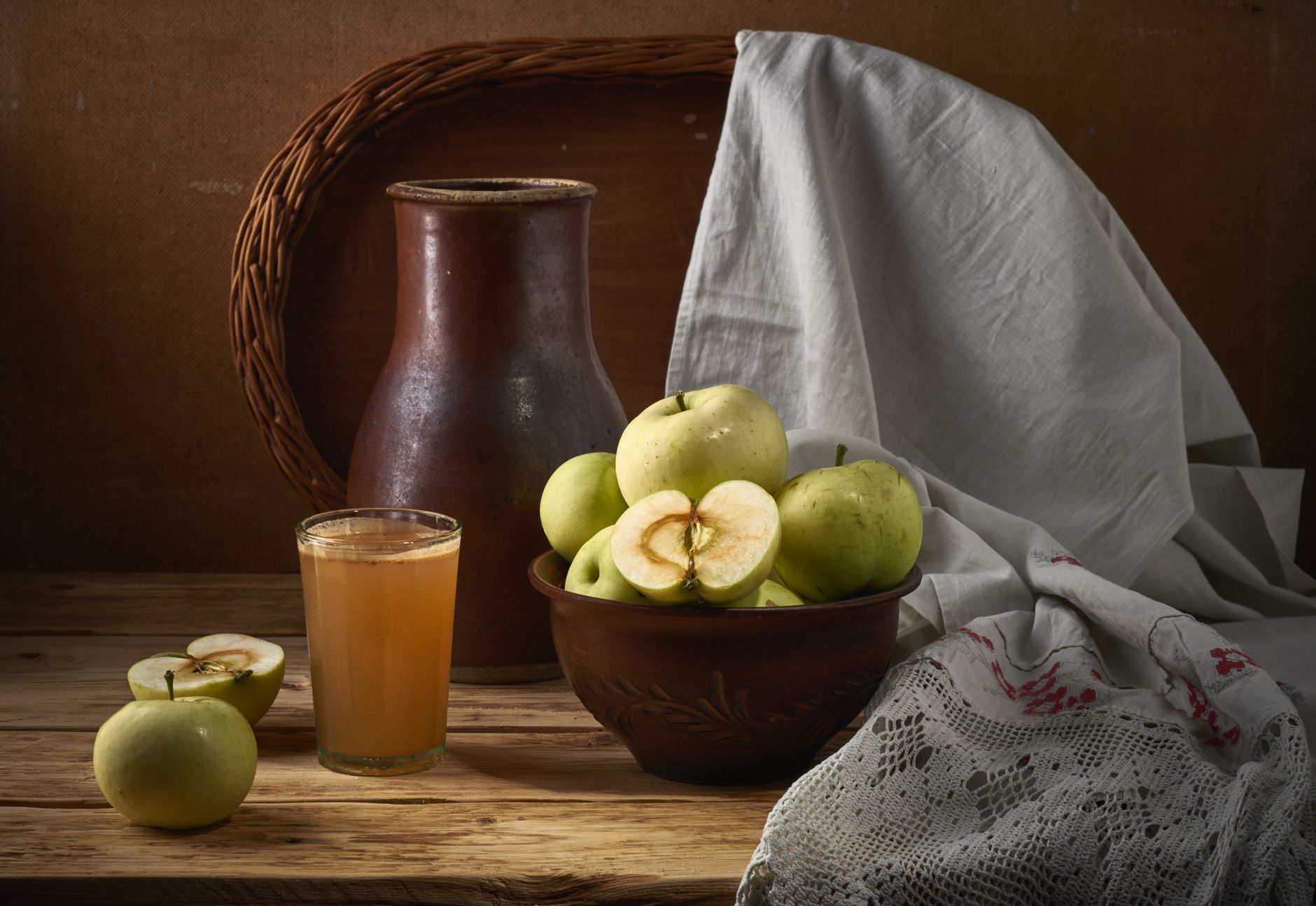
Food & Drink
Apple Wine in Frankfurt: The Best Apple-Wine Taverns
Where to drink real Ebbelwoi in Frankfurt: the best apple-wine taverns in Alt-Sachsenhausen, Bornheim and Seckbach — with addresses, opening hours and tips on the proper etiquette.
Katharina Vogt16 June 2026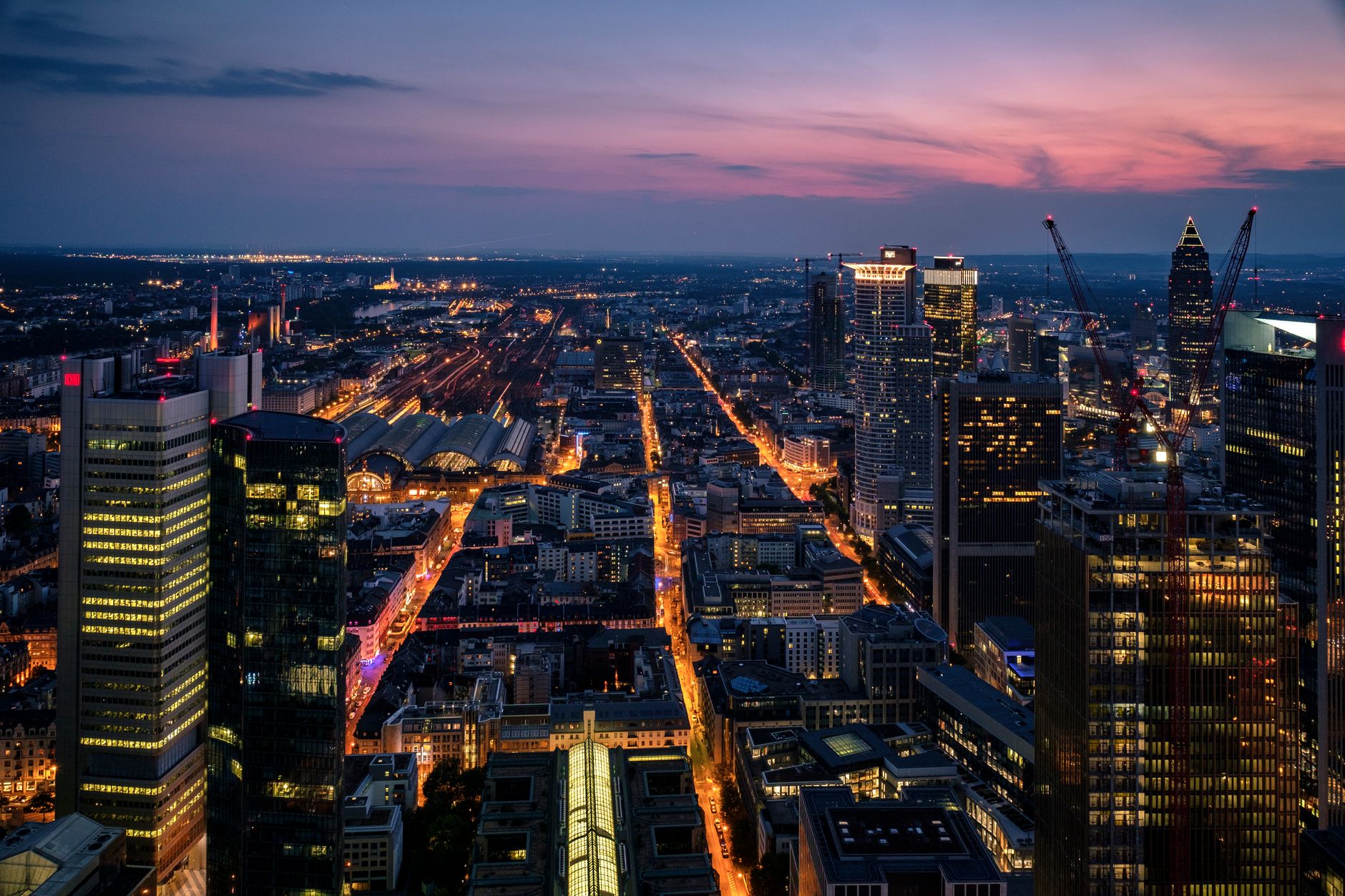
Food & Drink
Rooftop Bars & Restaurants with a Skyline View in Frankfurt
The best rooftop bars and high-rise restaurants in Frankfurt with a skyline view: NFT Skybar in the ONE Tower, Main Tower, 22nd Lounge in the Eurotheum, Occhio d'Oro, oben, GAIA and more — with floor, prices and honest tips (as of 2026).
Katharina Vogt5 July 2026
Food & Drink
Ebbelwei-Express Frankfurt: The Apple Wine Tram Tour
The Ebbelwei-Express: Frankfurt's colourful apple-wine tram, running since 1977. The loop around the zoo and Sachsenhausen, timetable, prices, what's in the ticket and tips from a local.
Katharina Vogt22 July 2026