Frankfurt Airport Map 2026: All Terminals & Routes
Terminal 3 is open and Terminal 2 is being rebuilt: FRA now stretches for kilometres from north to south. Grasp the new Terminal 1 ↔ Terminal 3 axis and you'll get everywhere.

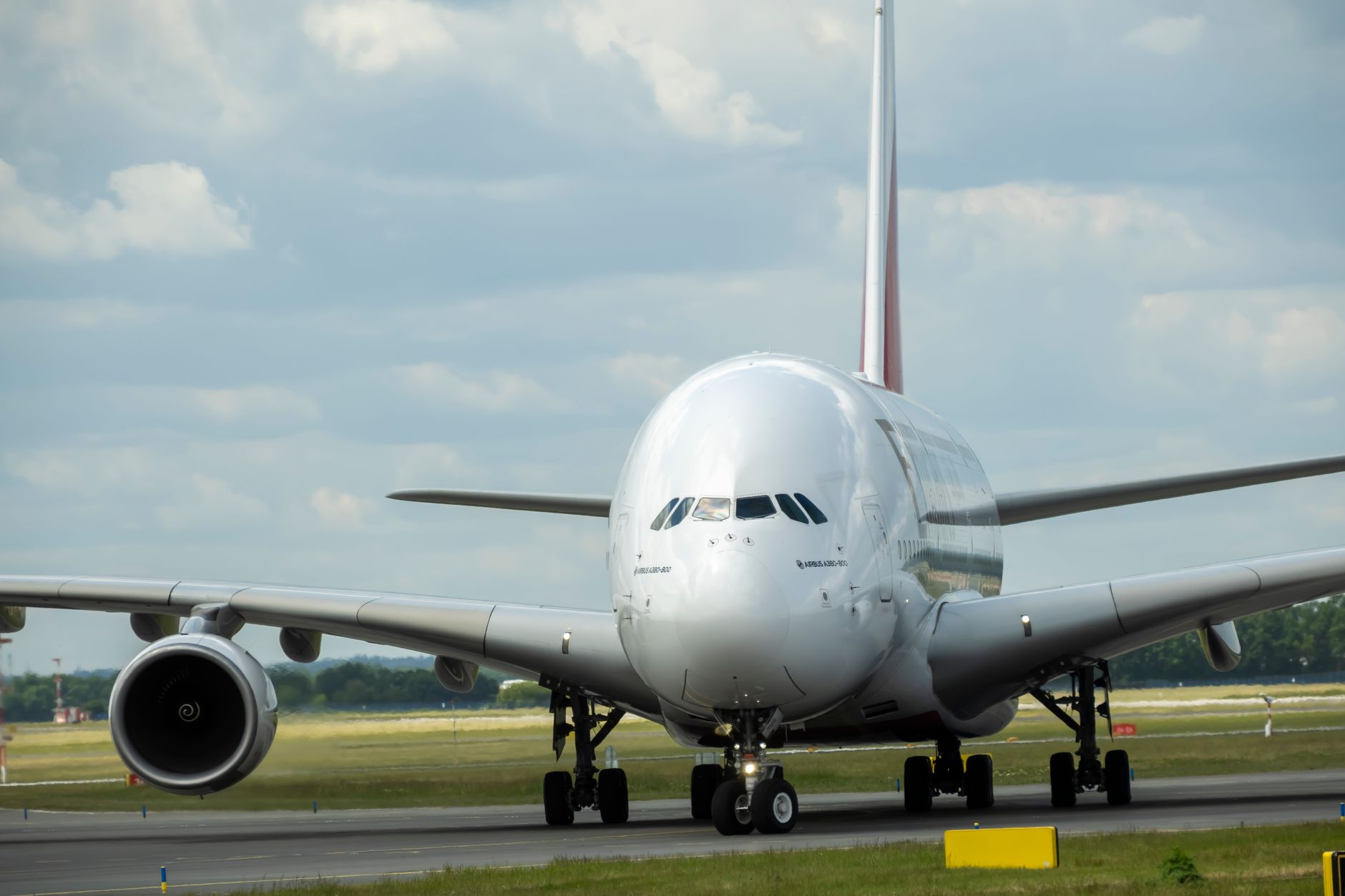
If you think you know Frankfurt Airport from earlier trips, take a fresh look in 2026. Within a few weeks the whole layout of FRA has changed noticeably: at the end of April the long-awaited Terminal 3 opened in the south, and in early June Terminal 2 closed for a refurbishment that will run for years. The airport, which for decades consisted of two terminals sitting close together, now stretches for several kilometres from north to south. That sounds more complicated than it is — once you understand where everything sits and how to shuttle between the two ends, you’ll move around here with complete ease. It’s exactly that mental map I want to give you.
The airport in 2026: two terminals in service, one being rebuilt
Let’s start with the big picture, because this is where the most has changed. For decades the simple rule of thumb was “two terminals side by side”. That no longer holds. In practical terms, two buildings matter to you now — and they are a long way apart:
- Terminal 3 opened to passengers on 23 April 2026. It’s an entirely new building right at the southern end of the airport, with its own motorway access, its own multi-storey car park and its own rail connections via the Sky Line.
- Terminal 2 ceased passenger operations on 9 June 2026. Its two halls, D and E, are being comprehensively rebuilt well into the 2030s. Every airline that used to check in there has moved to Terminal 3.
- Terminal 1 in the north remains what it always was: the largest and oldest terminal, the home of Lufthansa and Star Alliance — and the only one with railway stations directly under its own roof.
For orientation this means: FRA currently works as an axis of Terminal 1 (north) ↔ Terminal 3 (south), joined by the Sky Line elevated railway, shuttle buses and the stations beneath Terminal 1. Terminal 2 still sits geographically between the two, but as a departure or arrival point it is out of service for the time being. So the single most important thing to check before any trip is your ticket: which terminal does your flight leave from? Head to the wrong end of the airport out of habit and, in the worst case, you’ll lose half an hour.
Terminal 1: the Lufthansa heart in the north
Terminal 1 is the building most Frankfurt travellers picture. Lufthansa and its Star Alliance partners fly from here, along with much of the long-haul network. It’s divided into four concourses, and the letters tell you a lot about your route:
- Concourse A sits in the centre and is mainly for Schengen flights — that is, within Europe with no passport control.
- Concourse B is mixed: Schengen on the lower levels, the non-Schengen gates with passport control above.
- Concourse C is the big non-Schengen concourse for the intercontinental flights.
- Concourse Z is the quiet troublemaker: it sits literally above Concourse A. If your boarding pass shows a Z gate, you need to go up a level — plenty of people look for it in vain next to A.
Directly beneath Terminal 1 is the regional station with the S-Bahn, and a covered link passage takes you to the long-distance station for ICE and IC trains in a few minutes. This double rail connection under one roof is Terminal 1’s great advantage — and one reason so many transfer and rail passengers end up here anyway. For how the levels, check-in desks and gates are arranged in detail, see my full Terminal 1 map.
Terminal 2: closed — and what that means for you
Terminal 2, with its halls D and E, was for decades the home of many international airlines. Since 9 June 2026 it has stood empty: Fraport has halted passenger operations and is modernising the ageing building from the ground up. The works are planned to last several years, with a return to passenger service not expected until the mid-2030s.
For travellers this is actually a simplification, even if it’s disorienting at first: you simply don’t need to remember Terminal 2 any more. If you still have an older booking confirmation, an out-of-date guidebook or a sat-nav destination that says “Terminal 2” — ignore it and head for Terminal 1 or 3 instead. The good news is that part of the infrastructure keeps running. The Sky Line still stops at the (enlarged) Terminal 2 station, the car park beneath it stays usable, and the connections between the terminals remain in place. For which airlines used to check in here and where they’ve moved, see my overview of Terminal 2.
Terminal 3: the new south
Terminal 3 is the real reason the map needs relearning. It sits around five kilometres south of Terminal 1, beyond the runways, and is a small self-contained airport in its own right: its own access straight off the A5 motorway, its own forecourt for taxis and “kiss & fly”, a large car park with several thousand spaces, and modern security lanes with CT scanners that allow larger quantities of liquids in hand luggage.
The building comprises a central marketplace with check-in and three so-called piers:
- Pier G handles Schengen traffic within Europe.
- Pier H (around 400 metres long) and Pier J (around 600 metres long) take the international, non-Schengen flights. Pier J has its own arrivals level for long-haul services.
Who flies here: essentially every airline except Lufthansa and its Star Alliance partners. That includes the SkyTeam carriers such as Air France, KLM, Delta and Korean Air, the big Gulf airlines Emirates, Qatar Airways and Etihad, Turkish Airlines, and a host of holiday and budget carriers such as Ryanair, easyJet and Wizz Air. As a rule of thumb: if you are not flying Lufthansa or a Star Alliance partner, you are now very likely heading to Terminal 3. The long piers are fitted with moving walkways, so even the 600 metres to the last gate on Pier J are manageable. For exactly which airline uses which pier and how to reach it fastest, see my Terminal 3 guide.
The Sky Line: the backbone between north and south
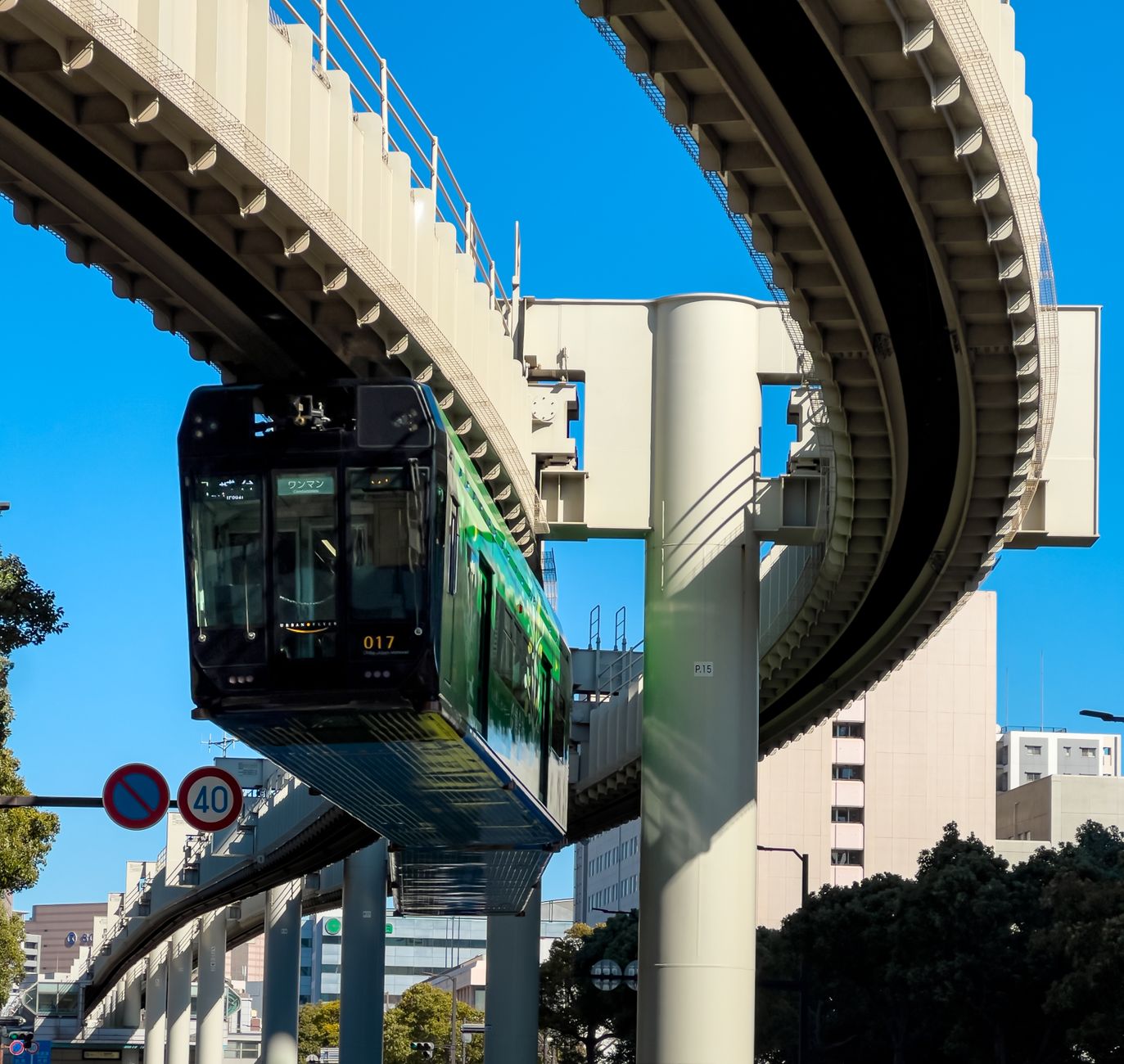
The link between the widely separated terminals is the Sky Line, a driverless elevated railway. It used to be just a short hop in the north — with the opening of Terminal 3 it was extended southwards and now bridges the roughly 5.6 kilometres between Terminal 1, the Terminal 2 station and Terminal 3.
A few key facts (as of 2026): the ride from Terminal 1 to Terminal 3 takes about eight minutes, the train reaches up to 80 km/h and runs every two to three minutes during the day. It is free and, for most travellers, the fastest connection between the terminals. One thing to know: between roughly 11 p.m. and 4 a.m. the Sky Line pauses, and shuttle buses take over the run. The buses are also the official fallback during the day if the train is ever under maintenance or out of action — which did happen in the first weeks after the extension in early summer 2026, though operations have since settled down. For all the detail on the route, timings and step-free access, see my dedicated Sky Line article.
A practical note: the Sky Line most travellers use runs before security. It’s ideal for moving between terminals with your luggage, getting to check-in or picking someone up. If you’re a transfer passenger staying airside and changing terminals, follow the “Flight Connections” signs instead — and reckon on going through security again at your destination terminal.
Two stations — please don’t mix them up
The most common wayfinding mistake at FRA isn’t about the terminals but the stations. There are two of them, and they are not the same:
- The regional station lies directly beneath Terminal 1. The S-Bahn trains (S8 and S9) and regional services run from here. This is your route into central Frankfurt — around a quarter of an hour to the main station. For which lines run when and what the ticket costs, see my S-Bahn guide from the airport.
- The long-distance station is for long-distance services: ICE, IC and EC. It sits beneath the striking building called “The Squaire” and is joined to Terminal 1 by a link passage — about five minutes on foot.
Keep the short formula in mind: city = regional station (S-Bahn), long distance = long-distance station (ICE). Stand at the wrong station and you could miss your train. Both stations belong to Terminal 1 — so if you want to continue by rail from Terminal 3, take the Sky Line north first. Conversely, a new Sky Line station near the railway stations takes rail arrivals straight to Terminal 3, sparing them a walk through the whole of Terminal 1.
Transfers: how much time you should really allow
The Sky Line’s eight-minute ride is deceptive, because you also have to add the walk to and from the stations, the lift and escalator rides, and — for a terminal change in transit — another security and possibly passport check. My rules of thumb:
- Just changing terminal (with luggage, no connecting flight): allow a realistic 15 to 20 minutes for the Sky Line plus walking.
- Connecting with a terminal change, Terminal 1 ↔ Terminal 3: here every minute counts. Between two far-apart terminals with a fresh security check, allow considerably more time than for a connection within a single terminal — a good hour or more if you can. Only book tight connections that involve a terminal change if you know the airport.
- With children or lots of luggage: use lifts and the Sky Line rather than long walks; luggage trolleys are available at the terminals.
Finding your way on site
Big as FRA has become, the signage is bilingual throughout and reliably guides you to check-in, gate, Sky Line and station. There’s also an interactive map with real-time flight information that shows you the best route, and if in doubt the information desks will help you in person. For where to find lounges, lockers, left luggage and all the smaller services, I’ve gathered everything in my big Frankfurt Airport from A to Z.
In the end the new logic is surprisingly simple: one large old terminal in the north (Terminal 1, Lufthansa and the stations), one large new terminal in the south (Terminal 3, almost every other airline), the free Sky Line in between — and a Terminal 2 you can safely forget for now. Note down your terminal, concourse letter and station before you travel, give yourself a little buffer between north and south, and Germany’s largest airport quickly loses its power to intimidate.
Keep reading
Airport & Getting There
Sky Line Frankfurt Airport: Free Train Between Terminals 1, 2 and 3
The Sky Line at Frankfurt Airport: driverless and free between Terminal 1, the T2 station and the new Terminal 3. Route, journey time, frequency, operating hours, night buses and transfer tips — explained up to date.
Katharina Vogt4 July 2026
Airport & Getting There
Frankfurt Airport Terminal 3: Airlines & Access
The new Terminal 3 at Frankfurt Airport (open since April 2026): which airlines and alliances fly from here, concourses G, H and J, check-in and security, and how to reach it by Sky Line, bus and car.
Katharina Vogt19 June 2026
Airport & Getting There
Frankfurt Airport Terminal 2: Closed — How to Fly Now
Terminal 2 at Frankfurt Airport has been closed since 9 June 2026. Where the airlines have moved, how to reach Terminal 3 and what to watch for when transferring now — explained by a local.
Katharina Vogt16 June 2026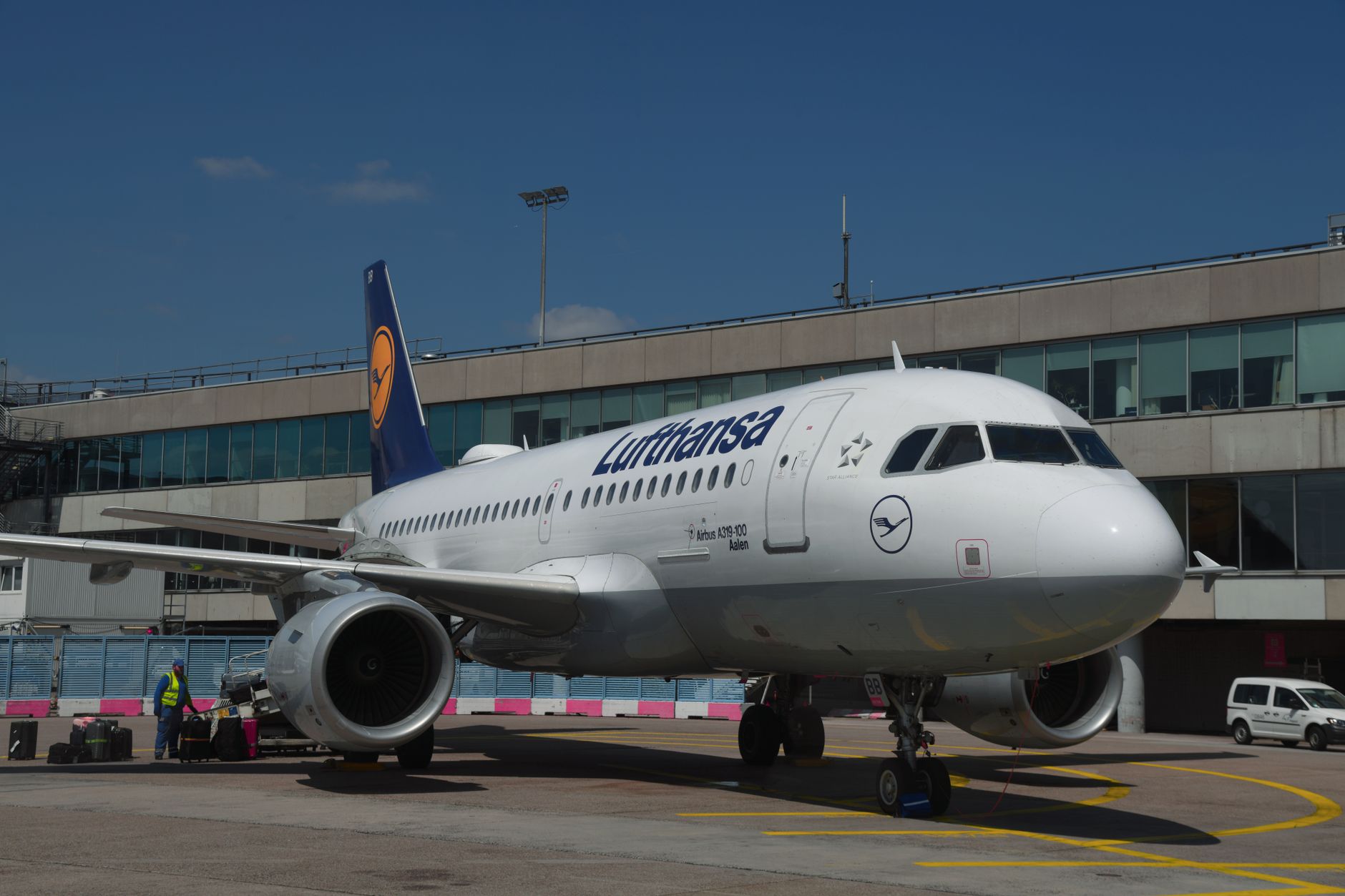
Airport & Getting There
From Frankfurt Airport to the City Centre: Every Option Compared
S-Bahn, taxi, ride service or rental car? Every way from Frankfurt Airport into the city centre, with prices, times and tips — updated after the opening of Terminal 3 (2026).
Katharina Vogt16 June 2026