Frankfurt Airport Terminal 3: Airlines & Access
Opened in April 2026 in the south of the airport, Terminal 3 took over the airlines from the closed Terminal 2. What to know about airlines, concourses and getting there — and how much time to allow for transfers.

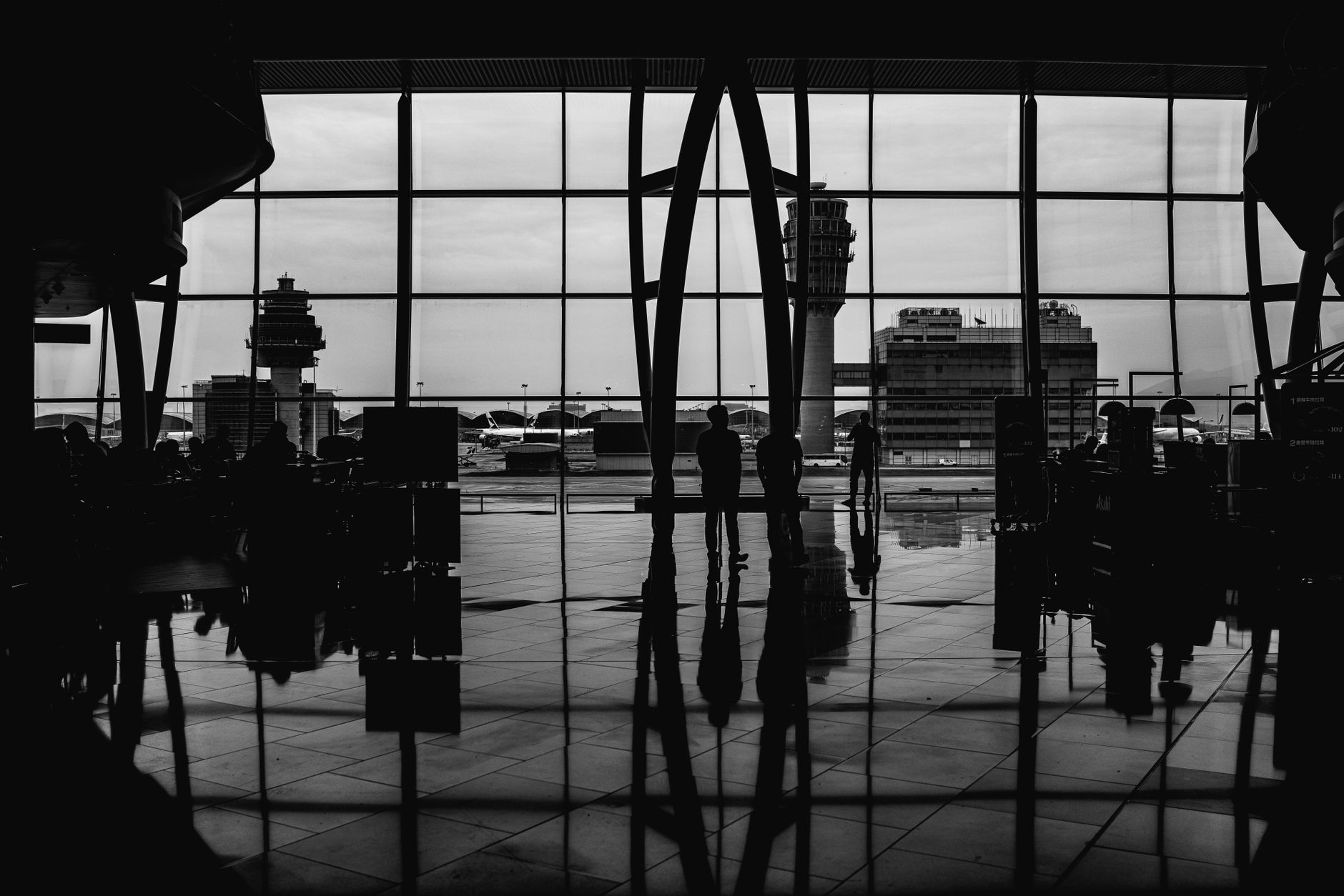
Frankfurt turned a new page in 2026 — at least at its airport. On 23 April 2026, a completely new terminal opened for business in the south of the site: Terminal 3. I’ve been over there several times in its first weeks, partly to fly, partly out of sheer curiosity, and I can tell you this: if your mental image of Frankfurt Airport is the cramped, ageing Terminal 2, you’ll barely recognise Terminal 3. In the lines below you’ll find out why this terminal exists, which airlines fly from it, how the building is laid out and — the part that matters most in practice — how to get to and from it reliably.
A new terminal in the south, and why it’s needed
Terminal 3 isn’t where you probably picture the airport. While Terminal 1 and the old Terminal 2 sit up in the north between the runways, Terminal 3 was built from scratch to the south of them, on previously unused land — a self-contained complex with its own access road off the A5 motorway. It is the largest construction project in the airport’s history, planned and built over more than a decade.
The reason it has opened is also the end of another terminal: the old Terminal 2 went offline on 9 June 2026 for a multi-year overhaul. So that its resident airlines weren’t left stranded, 57 carriers moved from Terminal 2 to Terminal 3 in four waves between 23 April and 9 June 2026. If you used to “always fly from Terminal 2”, your new home at the airport is now Terminal 3. For what becomes of the old building and which routes there still work, I’ve pulled everything together in my piece on the closed Terminal 2.
For now, Terminal 3 is designed to handle up to 19 million passengers a year — already bigger than Terminal 2 ever was. That word “for now” matters: the terminal is deliberately built to grow. The concourses can be extended, further construction phases are planned, and over the long term the capacity is meant to climb well beyond today’s 19 million. In other words, you’re visiting the first stage of a terminal that hasn’t finished expanding.
How the terminal is laid out: a marketplace and three concourses
Terminal 3 was designed by the renowned architects Foster + Partners, with Frankfurt architect Christoph Mäckler handling the implementation. It shows: the building is bright, generous and far friendlier than you’d expect of an airport. At its heart is a central “marketplace” beneath a strikingly curved ceiling — from here passengers fan out into the three concourses. Ranged around this marketplace are shops and dining across several thousand square metres, with more than 60 outlets in all.
The key to finding your way are the three concourses G, H and J:
- Concourse G and Concourse H handle intra-European Schengen traffic — flights on which you pass no passport control.
- Concourse J, at around 600 metres the longest pier, is the non-Schengen area for intercontinental flights, spread over three levels and with the most contact stands.
Together the concourses offer more than two dozen aircraft stands right at the building and around 41 jet bridges — so you’ll mostly board straight from the pier, without a bus out to the apron. Your boarding pass shows the letter of your gate: G, H or J. That letter is your most important guide at the airport, more so than any signpost.
Which airlines now fly from Terminal 3
The basic rule fits in one sentence: Lufthansa and its Star Alliance partners stay in Terminal 1 — almost everything else is in Terminal 3. In practice that means three big groups.
The Gulf and Middle Eastern airlines are all here: Emirates, Etihad Airways, Qatar Airways, Gulf Air, Oman Air, Kuwait Airways and Saudia. The SkyTeam alliance has made Terminal 3 its Frankfurt home and even opened its own lounge there — that covers Air France, KLM, Delta Air Lines, Korean Air, China Airlines, China Eastern, Vietnam Airlines and Middle East Airlines. The oneworld carriers have moved across too: British Airways, Cathay Pacific, American Airlines and Japan Airlines (Qatar Airways is also a oneworld member).
On top of that come the low-cost airlines such as Ryanair, easyJet and Wizz Air, which likewise depart from Terminal 3. One notable exception among the big names is Condor: the holiday airline stays in Terminal 1 for now and only moves to Terminal 3 in summer 2027.
So my most important piece of advice is this: don’t rely on old habits. Before you set off for the airport, check your ticket or your airline’s app for which terminal your flight actually leaves from. Frequent flyers who spent years heading automatically towards Terminal 2 are the ones most likely to end up at the wrong end of the airport.
Check-in and security
Check-in in Terminal 3 is noticeably more modern. You can check in yourself at a kiosk, drop your bag at a Fast Bag Drop, or check in online and print your bag tag at home. Travelling with hand luggage only, you can skip the traditional desks entirely.
Security is up to the latest standard, too. Terminal 3 has 21 lanes fitted with modern CT scanners. The real benefit for you: in many cases liquids can stay in your hand luggage — the fiddly resealable bag is often no longer needed — and laptops and tablets can usually stay in your bag as well. That speeds the checks up considerably, especially at peak times. Behind the scenes an 11-kilometre baggage conveyor handles the luggage; on arrival you’ll wait at one of several large reclaim belts.
How to get there — and away again
Because Terminal 3 sits apart from the familiar terminals, access is where most travellers start to wonder. Here are the options.
Sky Line (the most relaxed way): for Terminal 3 the driverless elevated railway was extended by around 5.6 kilometres. It links Terminal 3 directly with Terminal 1 and — crucially — with the airport’s railway stations. The trip takes just under eight minutes, trains run every two to three minutes during the day and it’s free. It operates roughly from 4 a.m. to 11 p.m.; outside those hours shuttle buses take over. In its first weeks of service the line had occasional disruptions with replacement buses stepping in, so build in a buffer and reckon with ten minutes rather than eight if in doubt. For how the railway works and where to board, see my guide to the Sky Line.
By rail: Terminal 3 has no station of its own. The regional station (for S-Bahn services such as the S8 and S9) and the long-distance station (for ICE and Intercity trains) are both at Terminal 1. If you arrive by train, get off there and then take the Sky Line across to Terminal 3. Factor this detour into your travel time from the outset. For how the various routes and levels fit together, see the map of all terminals.
By car: Terminal 3 connects directly to the A5 and has its own drop-off right in front of the building. Alongside it stands a new multi-storey car park with around 8,500 spaces over eight levels, including EV charging and bicycle spaces. For parking without a reservation, head for entrance P11. Whether pre-booking pays off and how the prices compare with the car parks up north, I’ve set out in my car parks compared guide.
By bus: there’s a dedicated bus station on the arrivals level with regional and long-distance coach services, including to Darmstadt, Groß-Gerau and Walldorf in the surrounding area, plus lines run by the Rhein-Main transport network (RMV).
Transferring between Terminal 1 and Terminal 3
The case that deserves the most attention is transferring between the terminals — say, arriving with Lufthansa in Terminal 1 and connecting onto a SkyTeam or oneworld flight in Terminal 3 (or the other way round). The two terminals are joined by the Sky Line, but don’t underestimate the journey: between getting off, walking to the Sky Line, the ride itself, a possible fresh security and passport check, and the walk to your new gate, 45 minutes and more add up quickly.
A few pointers:
- Allow plenty of time: if you’re arranging the connection yourself, I’d never plan under 90 minutes between Terminal 1 and Terminal 3, and rather more for intercontinental connections.
- Sort out your luggage: check whether your bag is checked through or whether you need to collect and re-drop it — with a change of airline or alliance that isn’t a given.
- Follow the signs: the routes to the Sky Line are well signposted; if in doubt, an information desk will help.
What I’d advise for the day you fly
Terminal 3 is no cause for concern — it’s the most pleasant place to fly from in Frankfurt right now: bright, modern and with noticeably shorter waits at security. It’s mainly an adjustment, not a downgrade. For a relaxed start, remember two things: confirm in advance that your flight really does leave from Terminal 3, and always allow a few extra minutes for the Sky Line between the station or Terminal 1 and Terminal 3. Get both right and you’ll arrive unflustered — perhaps even with time to enjoy the new marketplace before heading for the gate.
Keep reading
Airport & Getting There
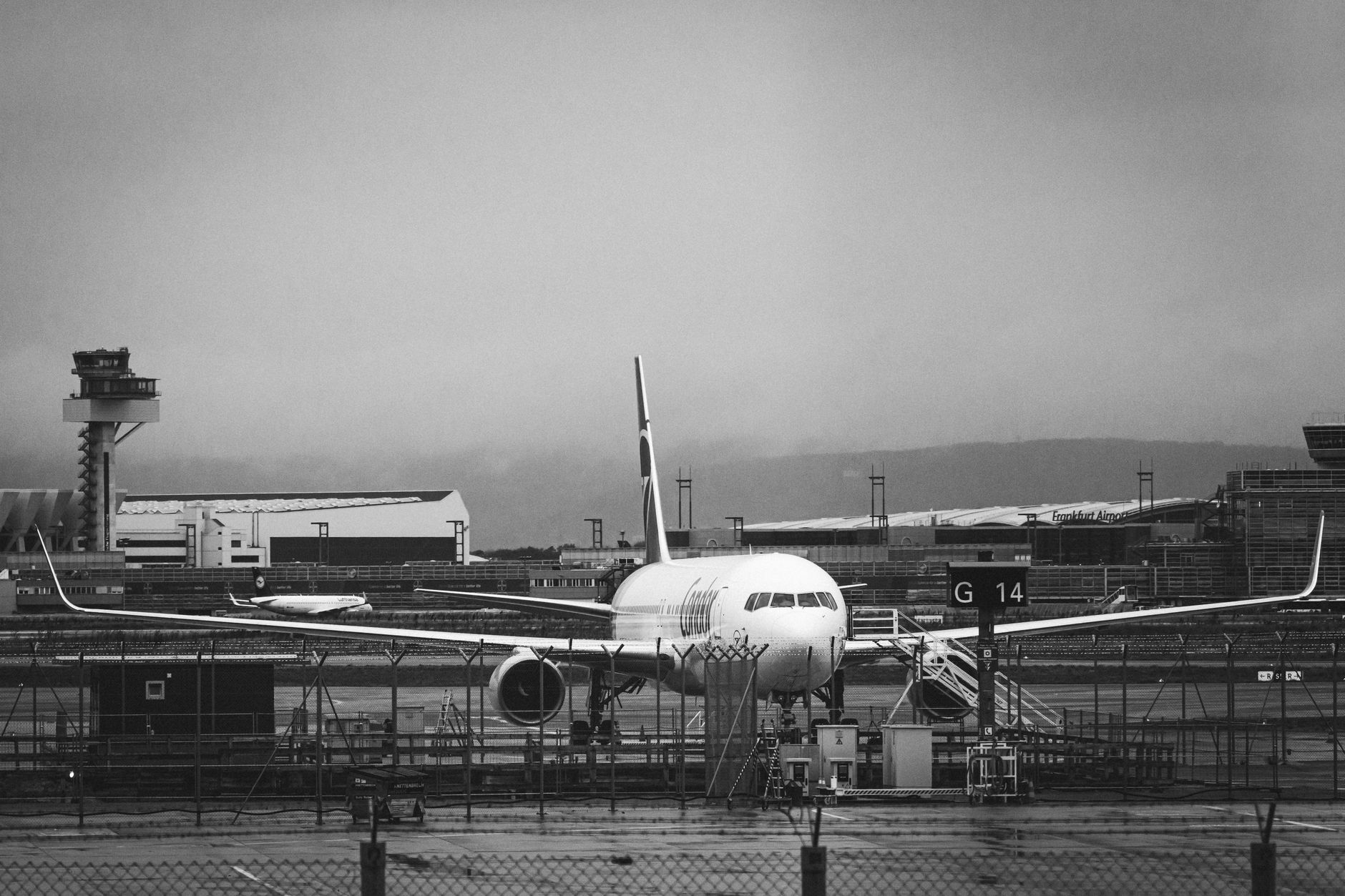
Frankfurt Airport Terminal 2: Closed — How to Fly Now
Terminal 2 at Frankfurt Airport has been closed since 9 June 2026. Where the airlines have moved, how to reach Terminal 3 and what to watch for when transferring now — explained by a local.
Katharina Vogt16 June 2026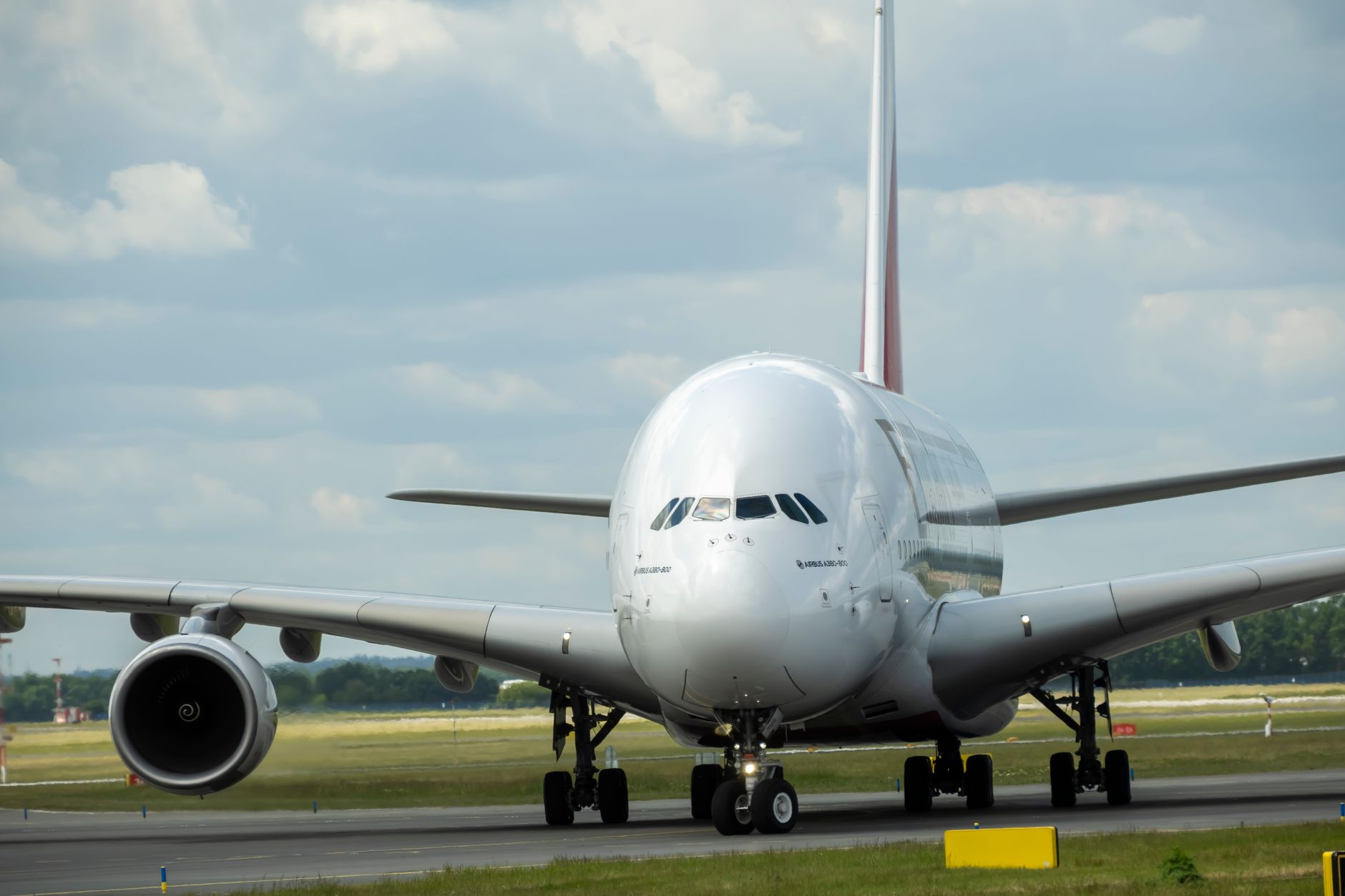
Airport & Getting There
Frankfurt Airport Map 2026: All Terminals & Routes
How Frankfurt Airport is laid out in 2026: Terminal 1 in the north, the new Terminal 3 in the south, Terminal 2 under refurbishment, plus the Sky Line, shuttle buses and the two stations — with transfer times from a local.
Katharina Vogt16 June 2026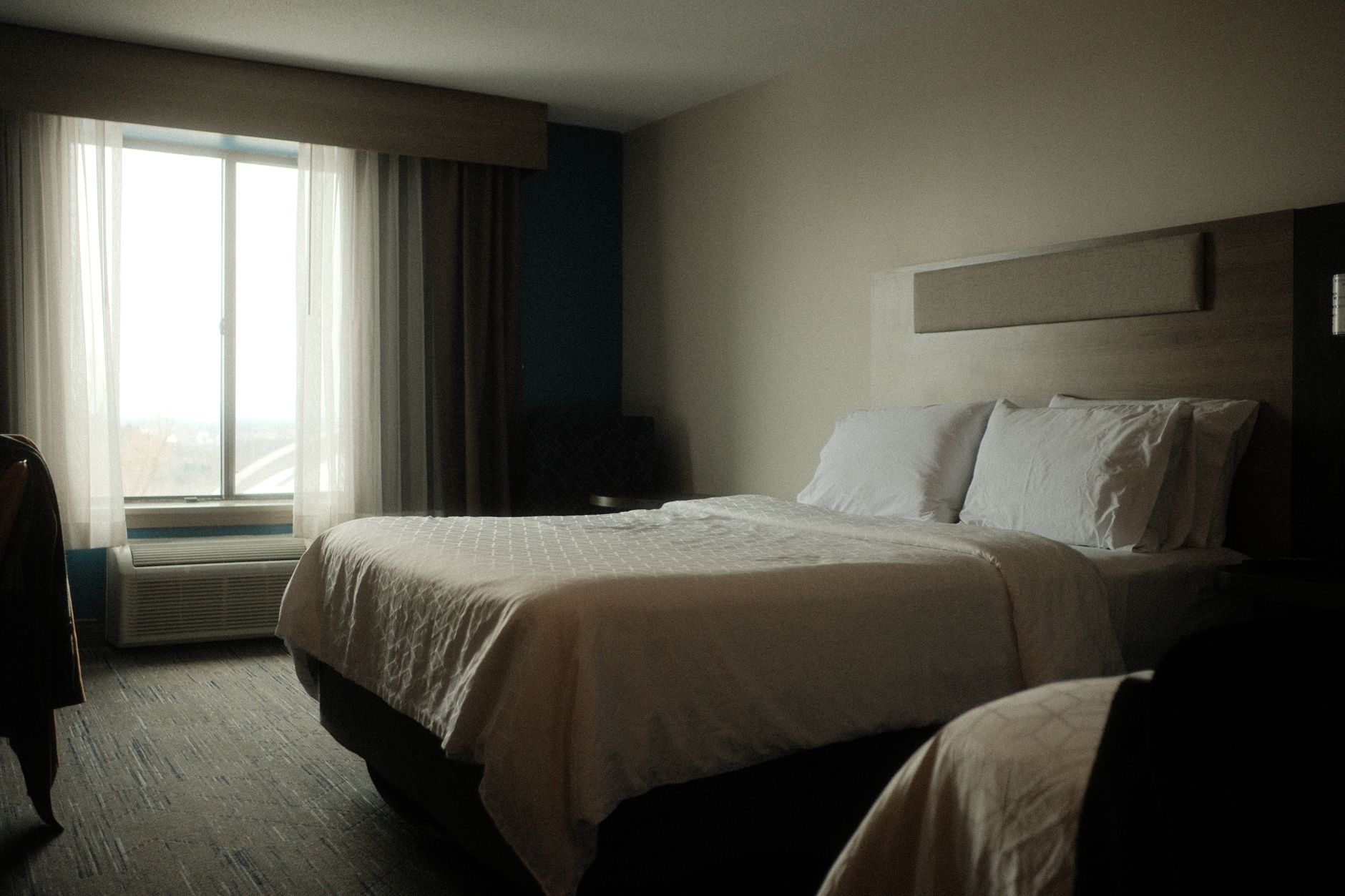
Airport & Getting There
Park, Sleep & Fly Frankfurt: Hotel and Parking for Early Flights
Park, Sleep & Fly at Frankfurt Airport: combine an overnight stay with parking the clever way. Which hotels offer it, what's in the package and what to watch out for in 2026 (Terminal 3!).
Katharina Vogt2 July 2026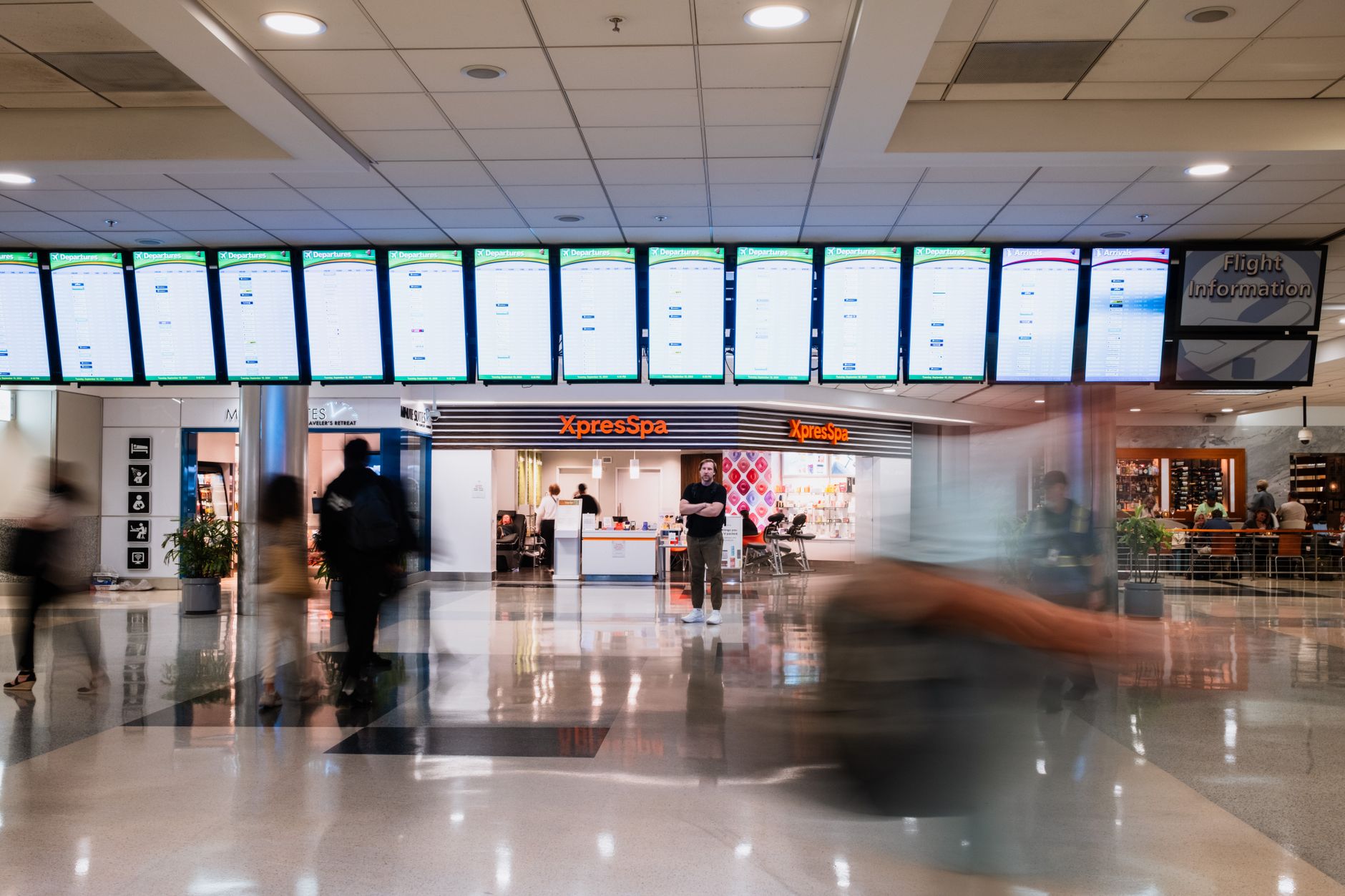
Airport & Getting There
Flying to Frankfurt: Which Airport Is Actually Worth It?
FRA, Hahn, Cologne/Bonn, Stuttgart, Karlsruhe or Düsseldorf — an honest door-to-door comparison with realistic journey times and costs to Frankfurt Hauptbahnhof (as of 2026).
Katharina Vogt19 August 2026