Frankfurt Airport A to Z: Lounges, Luggage, Showers & Services
A long wait or a transfer with time to spare? From dropping your bags to Napcabs, lounges, the pharmacy, a prayer room and a bureau de change — where to find each service at FRA now that everything sits in Terminal 1 and the new Terminal 3.

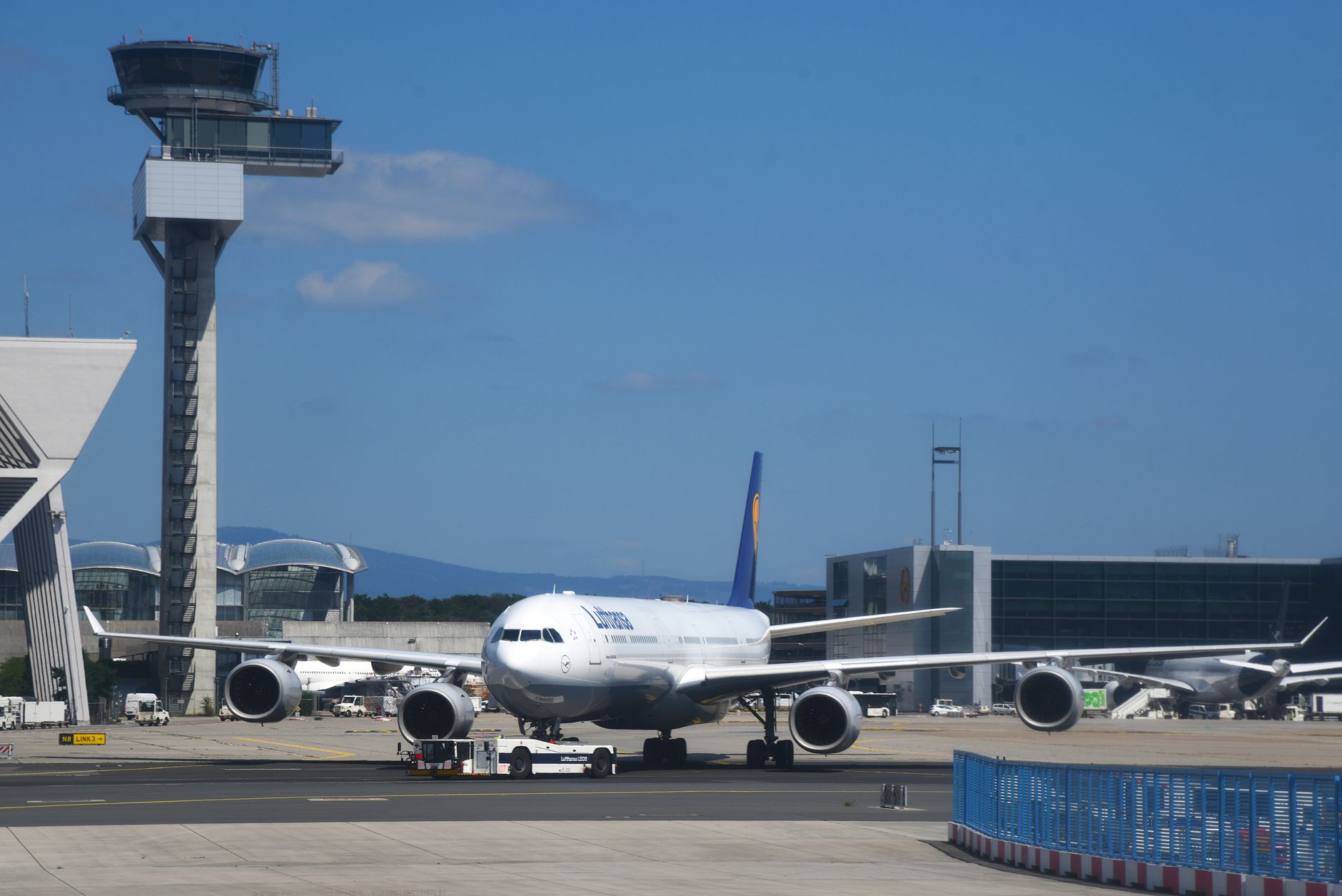
Frankfurt Airport is a small city with its own internal logic, and like any city it treats you far more kindly once you know a few local shortcuts. I regularly pick friends up here, see family off at the gate, and I’ve spent more than one night stranded between two flights myself — and again and again I watch travellers drag their suitcases through the halls for hours when there’s a left-luggage counter two doors away. So that this doesn’t happen to you, I’ve sorted the genuinely useful services at FRA from A to Z: where to find what, roughly what it costs, and where you can happily save yourself the trouble.
Get your bearings first: FRA in 2026
One important change up front, because it simplifies a lot and shifts a few things around: the new Terminal 3 opened on 23 April 2026, and Terminal 2 has been closed since 9 June 2026 for a multi-year refurbishment. Every airline that used to sit in T2 has moved to T3. For you that means the airport now runs out of Terminal 1 (the big Lufthansa hub) and Terminal 3. If you still read somewhere that a service is “in Terminal 2”, it has either relocated or is temporarily unavailable.
The two terminals are linked by the driverless Sky Line train and by buses, with the regional and long-distance rail stations in between. If you want a picture of the levels, halls (A, B, C in T1) and walking routes before you arrive, my map of all terminals and routes gives you a good base plan — it saves a lot of wandering on the day.
Getting rid of your luggage: storage, “lockers” and wrapping
The first move when you have time to spare is to hand over your case. A small reality check first: FRA doesn’t have the classic banks of coin-operated lockers you might remember from old railway stations. The practical option is staffed baggage storage (left luggage), where an attendant takes your things in.
You’ll find it in two places (as of 2026):
- Terminal 1, Hall B, Level 1 (arrivals) — open around the clock.
- Terminal 3, Area J, Level 2 — daily, roughly 6.30 a.m. to 9.30 p.m.
You can deposit almost anything: suitcases, bags, even winter coats. Prices depend on size and duration; reckon on about €13 for a standard item and roughly €20 for bulky luggage (as of 2026). There’s even a dedicated rate of around €2 a day for the winter coat you won’t need on a tropical connection — a detail I find rather charming. And if you urgently need to print a boarding pass or a document, the same desk will do it for about €5. Items can stay up to 125 days; there’s no reservation, you simply turn up.
At the same counters (T1 Hall B and T3) you’ll usually also find the wrapping service, where your case is tightly shrink-wrapped in film for protection. That’s worth it for luggage that pops open easily, for delicate surfaces, or when you face a long routing with lots of transfers.
Lounges: from Lufthansa to “pay at the door”
FRA has lounges in every price bracket — the trick is finding the one that fits you.
Airline and frequent-flyer lounges. The heart of the lounge offering beats in Terminal 1, where Lufthansa and its Star Alliance partners are heavily represented. Business, Senator and First Class lounges sit airside; access is generally for higher-class travellers and status customers (Star Alliance Gold, Senator, HON). The much-decorated Lufthansa First Class Lounge is in Terminal 1, Level 3, Concourse B. There’s also the separate Lufthansa First Class Terminal — an entire building reserved for First Class guests and HON Circle members, with its own passport control and a chauffeur to the aircraft. If you’re allowed in there, you generally already know it.
Pay lounges (no status needed). You don’t have to sit at the gate just because you lack a gold card. The LuxxLounge in Terminal 1 is open regardless of airline; you pay at the door or book ahead and get snacks, drinks, Wi-Fi, newspapers and even showers. Reckon on around €39 for up to three hours or roughly €50 for a day pass (as of 2026); cards such as Priority Pass and Lounge Key are accepted. Over in the new Terminal 3, the Priority Lounge offers something comparable — handy if your flight leaves from there anyway.
The DB Lounge at the long-distance station. For rail travellers it’s worth heading to the second level of the long-distance station: that’s where the DB Lounge sits, reached by escalator from the platforms, open daily (including public holidays) from 6 a.m. to 10 p.m. (as of 2026). Access is for travellers with a valid first-class long-distance ticket and for bahn.comfort customers with one companion. Inside: comfortable armchairs, free Wi-Fi and drinks — ideal for working before an onward ICE, or simply catching your breath away from the station bustle.
Resting and sleeping: Napcabs, a transit hotel, and the hotels around it
Actually sleep between two flights? You can. Best known are the Napcabs, soundproof sleeping cabins airside in Terminal 1 (Concourses A and B, Level 3). Each cabin has a proper bed, adjustable air conditioning, USB sockets and Wi-Fi. You book by the hour right at the cabin: by day (6 a.m.–10 p.m.) about €17 per hour (minimum two hours), cheaper overnight at around €12 per hour (minimum three hours), as of 2026.
If you want more privacy and your own shower without clearing immigration, the My Cloud transit hotel in the non-Schengen transit area of Terminal 1 (near gate Z25) offers compact rooms with a bed, desk and en-suite bathroom. Again you book by the hour (minimum three hours, from around €124 for the first three). On top of that, there are quiet leisure zones with reclining chairs at several gates — free, if you just want to close your eyes.
For a proper night with breakfast, head to one of the airport hotels: the Sheraton is directly connected to Terminal 1, while the Hilton and Hilton Garden Inn sit in “The Squaire” complex above the long-distance station, just a few minutes’ walk away. Which property suits which terminal and what it costs, I’ve compared in my guide to the hotels at Frankfurt Airport.
Showers and freshening up
After a long-haul flight a shower is worth its weight in gold. FRA has publicly accessible shower rooms in Terminal 1 (in Concourse B, including airside near the gates). For around €15 (as of 2026) you get the key plus a towel, bath mat, hairdryer, and gel and shampoo — so you don’t need to bring a thing. And if you’re using a pay lounge like the LuxxLounge, or a Napcab or My Cloud room, a shower is usually included there already.
Wi-Fi, power and SIM cards
The Wi-Fi is free across the whole airport with no time limit — just log in. At nearly every gate there are Work & Connect areas with workstations and power sockets, plus fast-charge podiums with free wireless charging. If your battery flags on the move, you can rent a power bank (around €3 per 30 minutes).
For mobile data I’d recommend an eSIM: the airport offers an eSIM service, and for most current smartphones that’s the fastest solution. Physical prepaid SIM cards are sold in the electronics and telecoms shops, but in Germany you have to register your ID when activating one — that takes a few minutes. If you’re only in Frankfurt briefly and have an eSIM-capable device, you’ll travel more smoothly with that.
Money: bureaux de change and cash machines
You can get cash around the clock at the ATMs in both terminals (among them Frankfurter Sparkasse, Travelex, Prosegur and Euronet). An honest local tip: where you can, avoid the conspicuous Euronet machines, and at any ATM decline the “instant conversion into your home currency” (dynamic currency conversion) — you almost always do better letting your own bank set the rate. For changing notes there are bureaux de change: Travelex in Terminal 1 and Prosegur Change in Terminal 3, some with advance ordering.
Pharmacy, doctor and emergencies
Minor and major ailments are covered. You’ll find pharmacies in the public areas of Terminal 1 and in transit area Z — handy when the painkiller you needed on the flight was nowhere to be found. For anything more serious, the airport medical service runs an emergency centre / airport clinic with emergency care and an international vaccination centre; dental care is available at Frankfurt Airport Center 1 (Terminal 1 transit area). In a genuine emergency, the same rule applies here as everywhere in Germany: dial 112 for the ambulance service.
Prayer rooms and quiet corners
FRA is an international place, and that shows in its quiet rooms too: there are Christian chapels and Muslim and Jewish prayer rooms across the terminals. The Christian chapel is in the gallery in Hall B of Terminal 1; a short midday prayer is held there on Fridays at noon and a service on Sundays at 10 a.m. If you’re simply after some calm, there are also quiet zones and “silent chairs” with enclosing hooded seats.
Travelling with children
With children, waiting time feels twice as long — which is why the free play areas at several gates are a blessing, as are the freely accessible “Gaming World” and “Movie World” with films in several languages. Baby-care and family rest rooms are provided in the terminals, and pushchairs are of course welcome right up to the gate. My tip: head deliberately for one of the play areas rather than waiting at the gate — the last stretch to boarding then becomes far calmer for everyone.
Lost property, luggage trolleys and porters
Lost something? Items left in the airport are handled by the Fraport lost-property office — the quickest route is to fill in an online report. Anything you forgot on the plane, however, goes through the airline (with Lufthansa & co. via their own form). The more precisely you describe the item and where you left it, the better your chances.
Luggage trolleys are free and everywhere in the halls — do use them, even for short distances. FRA doesn’t have a widespread old-style porter service; if you genuinely need help carrying (reduced mobility, or a great deal of luggage), it’s best to book a meet-and-assist or VIP service in advance, or use your hotel’s baggage service.
Parking and the view
If you’re arriving by car or dropping someone off: both terminals have multi-storey car parks, plus cheaper options a little further out. Which car park suits which purpose — a quick drop-off, holiday parking, proximity to the gate — is set out in my comparison of all the car parks at Frankfurt Airport.
And the famous visitors’ terrace? It was on Terminal 2 and is out of use for now with that terminal closed. If you want to watch aircraft, the fallback is the interactive Fraport Visitor Center in the middle of Terminal 1, with its large panoramic window, or the viewing points around the airport. What currently works and what doesn’t, I keep up to date in my piece on the Frankfurt Airport visitors’ terrace.
Turning a wait into a stopover
FRA feels overwhelming the moment you walk in, but it’s remarkably well equipped — you just need to know where to look. My most important piece of advice from many hours here: drop your case first, then decide at leisure what to make of the free time. A lounge and a shower, a nap in a Napcab, a quick S-Bahn hop into the city — or simply a good coffee and a book in a quiet corner. Treat the airport as a place where there are things to do, rather than a waiting room, and you’ll almost always reach the gate more rested than when you set off.
Keep reading
Airport & Getting There
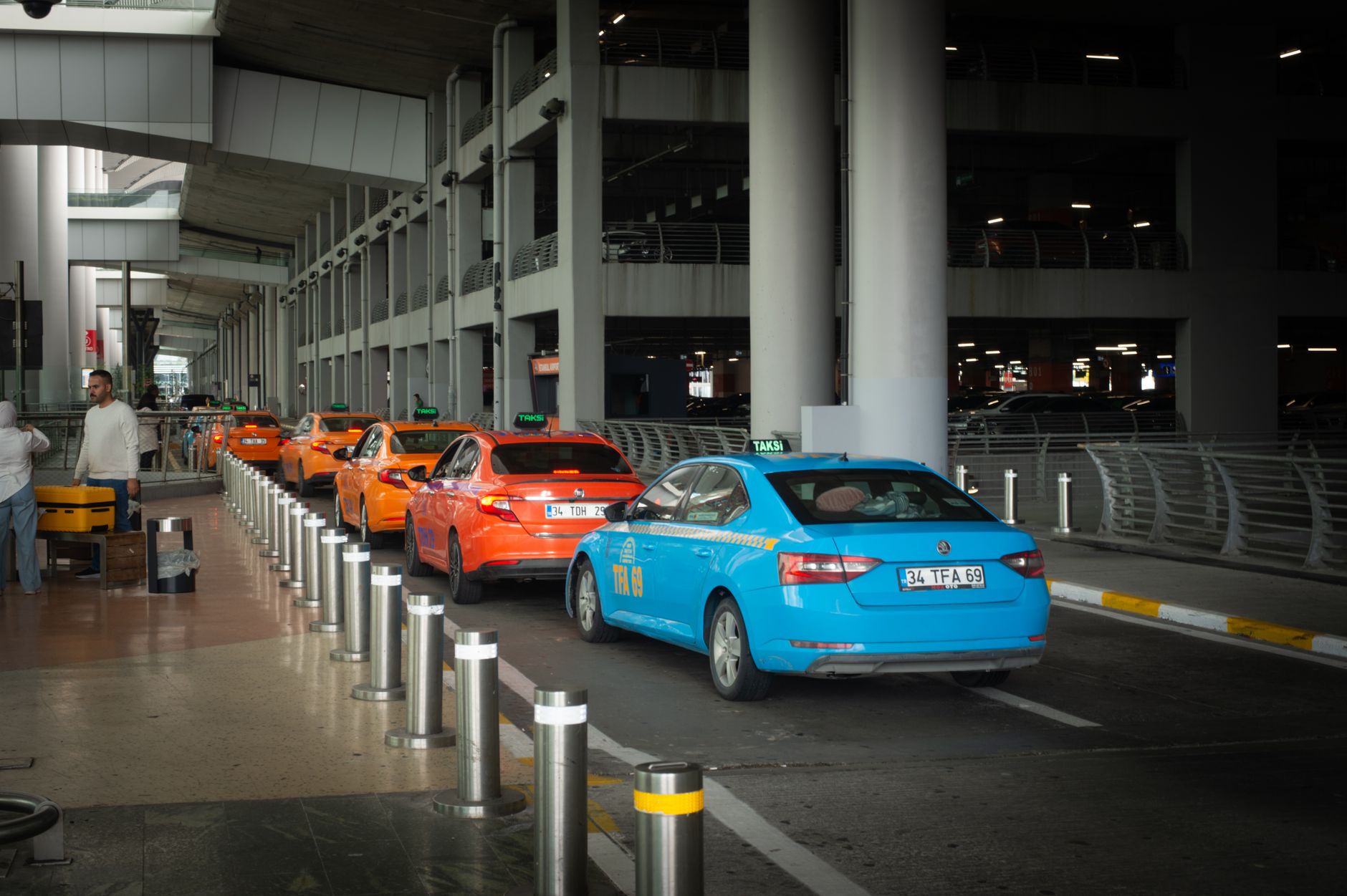
Transfer & Ride Services from Frankfurt Airport: All Options
Taxi, FreeNow, Uber, Bolt, a private chauffeur or the S-Bahn after all? Every ride option from Frankfurt Airport compared — with prices (as of 2026), the fixed-fare system and honest tips from a local.
Katharina Vogt16 June 2026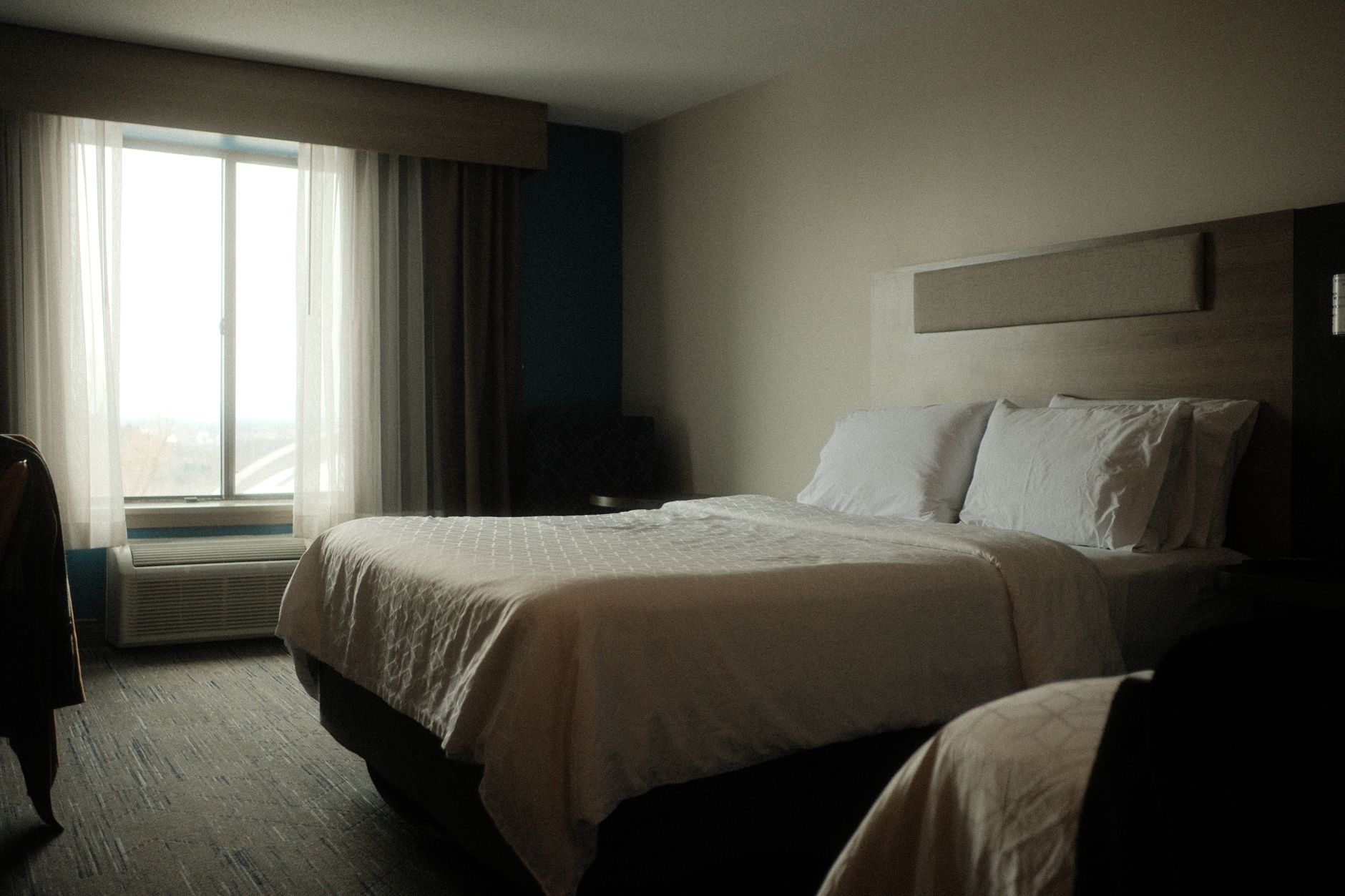
Airport & Getting There
Park, Sleep & Fly Frankfurt: Hotel and Parking for Early Flights
Park, Sleep & Fly at Frankfurt Airport: combine an overnight stay with parking the clever way. Which hotels offer it, what's in the package and what to watch out for in 2026 (Terminal 3!).
Katharina Vogt2 July 2026
Airport & Getting There
Parking at Frankfurt Airport: All Car Parks & Options Compared
Parking at Frankfurt Airport in 2026 compared: Terminal Parking at T1 and the new T3, Business Parking, Economy and Holiday Parking, Kiss & Fly and cheap shuttle car parks — with prices and the single biggest saving: book ahead.
Katharina Vogt16 June 2026
Airport & Getting There
Flying to Frankfurt: Which Airport Is Actually Worth It?
FRA, Hahn, Cologne/Bonn, Stuttgart, Karlsruhe or Düsseldorf — an honest door-to-door comparison with realistic journey times and costs to Frankfurt Hauptbahnhof (as of 2026).
Katharina Vogt19 August 2026