Day Trips Around Frankfurt: The Best Excursions by Train
Vineyards, castles, spa towns and World Heritage — much of it under an hour away. An overview of the most rewarding day trips around Frankfurt, with travel times and links to the in-depth guides.

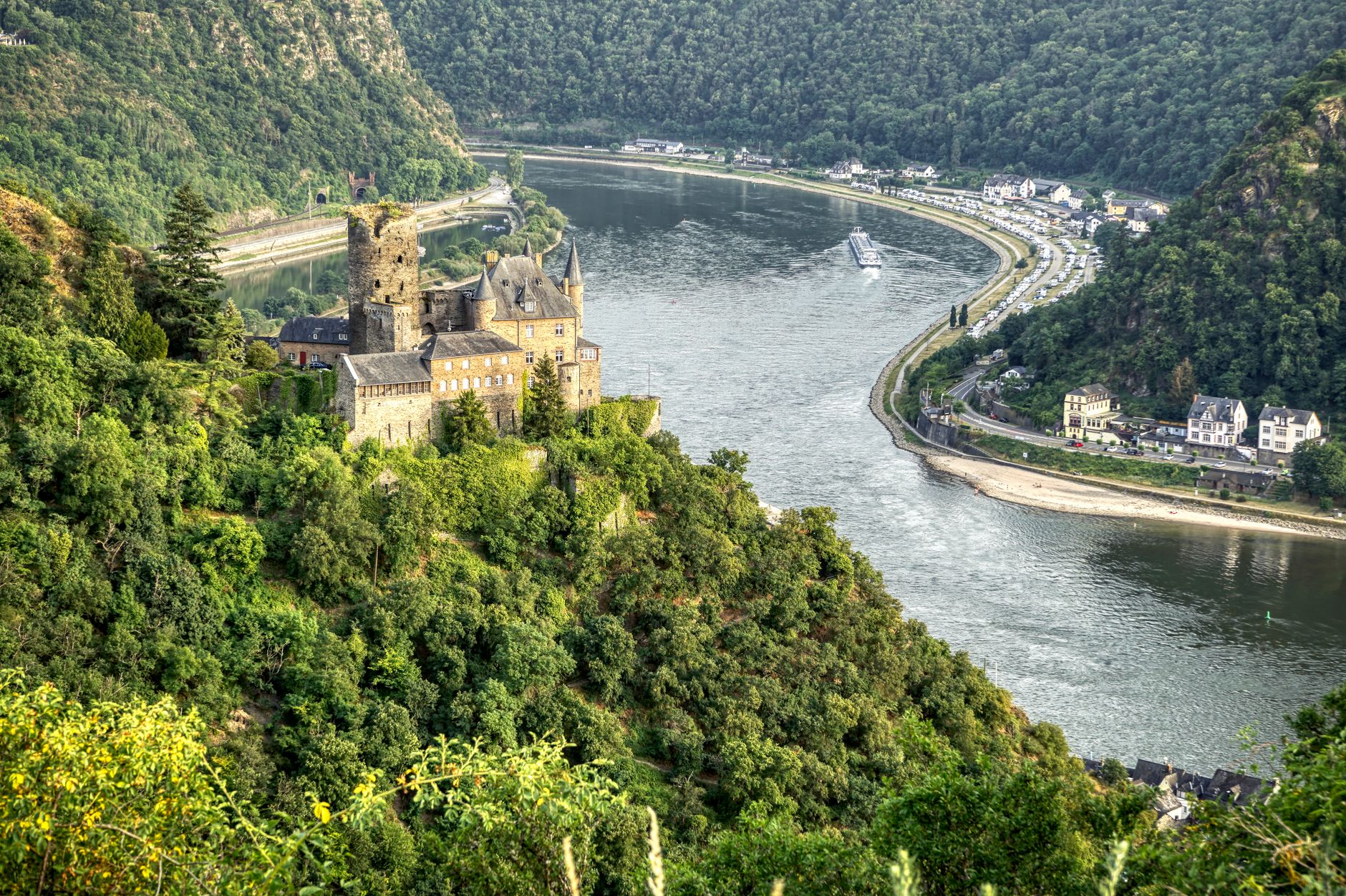
Frankfurt is a city of short distances — and that isn’t only true within the city limits. Board a train at the Hauptbahnhof and within half an hour to an hour you’ll be standing among vineyards above the Rhine, in a medieval old town clinging to a steep slope, or on a spa-hall terrace from the imperial era. Hardly any other major German city sits so centrally between river, forest and wine country. I’ve been making the most of this for as long as I can remember: on days off I head out, sometimes to the Rheingau, sometimes into the Taunus, sometimes just an hour up the Neckar.
This overview is meant as a signpost. It introduces the most rewarding destinations around Frankfurt — each with what makes the place worth the trip, and a rough travel time by train and car. For the two great classics, the Rheingau and Heidelberg, I’ve written separate, detailed route guides and linked them here. First, though, the aim is to help you find the right destination for your day and your weather. All times are rough guides for the journey itself from Frankfurt Hauptbahnhof and can vary with the connection, the changes and the traffic (as of 2026).
The Rheingau and Rüdesheim: wine, cable car and river
Getting there: about 1 hour by train · about 1 hour by car
When I have visitors from abroad and only a single day, I take them to the Rheingau. Rüdesheim am Rhein, the lively heart of the region, is reachable from the Hauptbahnhof on the RheingauLinie in about an hour, and the ride along the river is a pleasure in itself. Once there you get the whole Rheingau cliché in its loveliest form: the narrow, noisy Drosselgasse lined with wine taverns, a cable car that floats straight up over the vines to the massive Niederwald Monument, and from the top a sweeping view over the Rhine. Add a glass of Rheingau Riesling, the wine the region is famous for. Things are quieter at the nearby Eberbach Monastery, a venerable Cistercian abbey that served as a location for the film “The Name of the Rose”.
One planning note: the cable car runs only in season, roughly from late March to early November. How to time the day with the cable car, the classic “round tour” combining cable car, chairlift and Rhine boat, and a wine tasting, I’ve set out in the full day trip to the Rheingau.
The Upper Middle Rhine Valley and the Loreley: castles along a World Heritage river
Getting there: about 1 to 1.5 hours by train · about 1 to 1.5 hours by car
Just beyond Rüdesheim and Bingen the Rhine squeezes into its famous gorge — the Upper Middle Rhine Valley, a UNESCO World Heritage Site since 2002. Along the roughly 65 kilometres to Koblenz stand more castles than anywhere else in Europe: the Marksburg above Braubach, the only hilltop castle in the area never destroyed; the Pfalzgrafenstein toll castle on an island mid-river at Kaub; plus Rheinstein, Burg Katz and Burg Maus. The quiet star is the Loreley, a craggy slate rock rising above the river at St. Goarshausen, wreathed in legends of a singing siren luring boatmen to their doom.
You’ll enjoy this stretch best from the water (see below) or on the regional trains that run along both banks. Towns like St. Goar or picturesque, half-timbered Bacharach make good stops. If you like, you can combine the valley directly with a Rheingau day.
Heidelberg: the romantic castle city on the Neckar
Getting there: about 1 hour by train · about 1 to 1.5 hours by car
No destination is as popular as Heidelberg — and deservedly so. The castle ruin looms over the old town, the Neckar curls beneath the Old Bridge, and the Hauptstraße counts as one of the longest pedestrian streets in Europe. The university is Germany’s oldest, which is why the centre feels so young and alive. The funicular carries you comfortably up to the castle and on to the Königstuhl; for the finest panorama it’s worth the climb up the Philosophers’ Walk on the opposite hillside.
Heidelberg is easy to do in a day once you know the ropes. My tried-and-tested plan — with the route via Mannheim, the castle, the funicular and the Old Bridge — is in the full day trip to Heidelberg.
Mainz: cathedral, Gutenberg and the Rhine promenade
Getting there: about 40 minutes by train (S8) · about 40 minutes by car
Mainz lies closest of all to Frankfurt and is still often overlooked. Yet the capital of Rhineland-Palatinate makes a wonderful, relaxed day out. Presiding over it all is the mighty Mainz Cathedral, a Romanesque church of red sandstone more than a thousand years old. Around it the old town buzzes with wine bars, and the Kirschgarten — a little square of leaning half-timbered houses — is one of the city’s prettiest corners. Mainz is also Gutenberg’s city: here, around 1450, Johannes Gutenberg invented printing with movable type, and the Gutenberg Museum shows original Gutenberg Bibles and a reconstruction of his workshop.
With more time, stroll the Rhine promenade or visit the glowing blue Chagall windows in the church of St. Stephan. And if you come in February: Mainz is one of Germany’s great carnival strongholds — the “Fastnacht” brings half the city to a standstill. The S8 suburban train takes you there via the airport in a good 40 minutes.
Wiesbaden: spa-town elegance and the Neroberg
Getting there: about 40 minutes by train · about 40 minutes by car
The capital of Hesse is the exact opposite of bustling Frankfurt: a genteel Belle Époque spa town where the money jingles more quietly. Its centrepiece is the grand Kurhaus with its casino, fronted by the wide lawn of the Bowling Green and the colonnades. All around stretches the typical spa architecture, broken by the red-brick silhouette of the Marktkirche. At the Kochbrunnen, hot thermal water still bubbles up from the ground — those springs are the reason Wiesbaden became a spa town in the first place.
My tip for the afternoon: ride the historic Nerobergbahn, a water-ballast funicular from 1888. At the top of the Neroberg you get the best view over the city, and the golden domes of the Russian Orthodox chapel gleam among the trees. If you still have energy, look in on the baroque Biebrich Palace down on the Rhine. The S1, S8 and S9 trains run regularly and take about 40 minutes.
The Taunus: forest, summit and a zoo on the doorstep
Getting there: 30 to 60 minutes by train and bus · 30 to 45 minutes by car
For nature you needn’t travel far — the Taunus begins right to the north-west of the city. The Großer Feldberg, at around 880 metres, is the highest peak and a classic for hiking, for the view, and in winter even for tobogganing; the easiest way up is by car or by bus from Oberursel or Bad Homburg. Charming towns invite a wander: Kronberg (the terminus of the S4) with its castle and old town, upmarket Königstein with its castle ruin, and Bad Homburg (S5) with its expansive spa park and palace. History buffs make for the Saalburg, a reconstructed Roman fort on the Limes.
For families the Taunus is a bullseye: the Opel Zoo near Kronberg, with elephants and giraffes, and the large Hessenpark open-air museum near Neu-Anspach, where historic Hessian timber-framed buildings have been reassembled, both easily fill a whole day. Which destinations are especially worthwhile with children, and how to combine them cleverly, I’ve gathered in the family day trips guide.
Marburg: the fairy-tale town on the slope
Getting there: about 1 to 1.25 hours by train · about 1 hour by car
If you love Heidelberg but shy away from the crowds, discover Marburg. This small university town north of Frankfurt climbs a steep hillside: narrow lanes, covered staircases and crooked timber-framed houses huddle beneath the Landgrave’s Castle, which towers over the whole upper town. At the foot of the town stands the Elisabethkirche, regarded as the first purely Gothic church on German soil. The university is the world’s oldest Protestant one, and the Brothers Grimm studied here — no wonder Marburg markets itself as a stop on the German Fairy Tale Route, and really does look a little like a picture book.
Getting there usually means a regional express via Gießen. Marburg is markedly quieter and less touristy than the big names — which is exactly its appeal.
Darmstadt: Art Nouveau on the Mathildenhöhe
Getting there: 15 to 30 minutes by train · about 30 minutes by car
Of all these destinations, Darmstadt is the nearest — by suburban or regional train you’re there in a good 20 minutes. The great highlight is the Mathildenhöhe, an artists’ colony that has been a UNESCO World Heritage Site since 2021. Its landmark is the five-fingered Wedding Tower of 1908, designed by the architect Joseph Maria Olbrich, alongside the shimmering golden Russian Orthodox chapel and the playful studios and homes of the colony. For anyone keen on art and architecture it’s a small wonderland that surprisingly few Frankfurters know.
Darmstadt also holds the title of “City of Science”: this is where the European Space Operations Centre (ESOC) steers the ESA’s satellites. And if you like colour, seek out the Waldspirale, a vividly coloured residential building by the artist Friedensreich Hundertwasser.
Along the Lahn: Wetzlar and Limburg
Getting there: about 50 minutes to 1 hour by train · about 45 minutes to 1 hour by car
Two quiet gems lie on the River Lahn. Wetzlar charms with a maze of a timber-framed old town and an extraordinary cathedral in which unfinished Romanesque and Gothic elements stand side by side. Literature lovers visit the Lotte House: it was here that the young Goethe fell for Charlotte Buff — a feeling he later poured into “The Sorrows of Young Werther”. Wetzlar is also the home of German optics, with names like Leitz and Leica.
Limburg an der Lahn, meanwhile, is crowned by the seven-towered Limburg Cathedral, which stands spectacularly on a rock above the river and ranks among Germany’s most complete late-Romanesque cathedrals. Below it spreads one of the country’s loveliest medieval half-timbered old towns. Handy to know: the ICE station Limburg Süd sits on the Cologne–Rhine/Main high-speed line and is reached in a good 35 minutes — but it’s outside the town; the regional trains stop centrally instead, but take about an hour.
By boat: Rhine cruises from Mainz and Rüdesheim
The most classic way to experience the Rhine is by boat. From Rüdesheim, Bingen and Mainz, scheduled boats — such as the Köln-Düsseldorfer (KD) or the Bingen-Rüdesheimer line — sail through the World Heritage valley past the Loreley and the castles. My favourite relaxed version: train to Rüdesheim, then downstream by boat to St. Goar or Bacharach along the castles — and back by train. From Mainz there are shorter round trips along the waterfront, ideal if you only want a taste of the river. For a full day, the Rheingau round tour is the loveliest combination of train, cable car and boat.
Choosing your train ticket wisely
A little ticket know-how saves real money:
- Deutschlandticket: for around €58 a month (as of 2026) it’s valid on all regional trains, S-Bahn and local services — so for Mainz, Wiesbaden, Darmstadt, the Taunus, Rüdesheim and the regional connections to Marburg, Wetzlar or Limburg, as well as along the Rhine banks. It is not valid on ICE or IC trains. If you already hold one, most of these trips are effectively free.
- RMV day ticket or group day ticket: worthwhile for a day in the nearer region and for families, as long as the destination lies within the RMV area.
- Hessenticket / regional day ticket: cheap for groups on regional trains across Hesse, for instance to Marburg or Wetzlar.
- Heidelberg via Mannheim: if you use the fast ICE connection, book the saver fares as early as you can.
- Check the season and times: from November to March many castles, museums and cable cars close or run reduced hours — the Rüdesheim cable car pauses entirely in winter. And an early start keeps you ahead of the biggest crowds.
The beauty of Frankfurt is precisely this choice: one day you taste wine above the Rhine, the next you climb a castle, the third you wander through an Art Nouveau dream — and you’re comfortably home by evening. If you’d rather not leave the city at all, an afternoon in Höchst old town, with its timber framing and little palace, offers a slice of small-town idyll within the city limits. For everyone else: pick a destination to suit your mood and the weather, dip into the matching detailed guide — and let the train do the work.
Keep reading
Day Trips
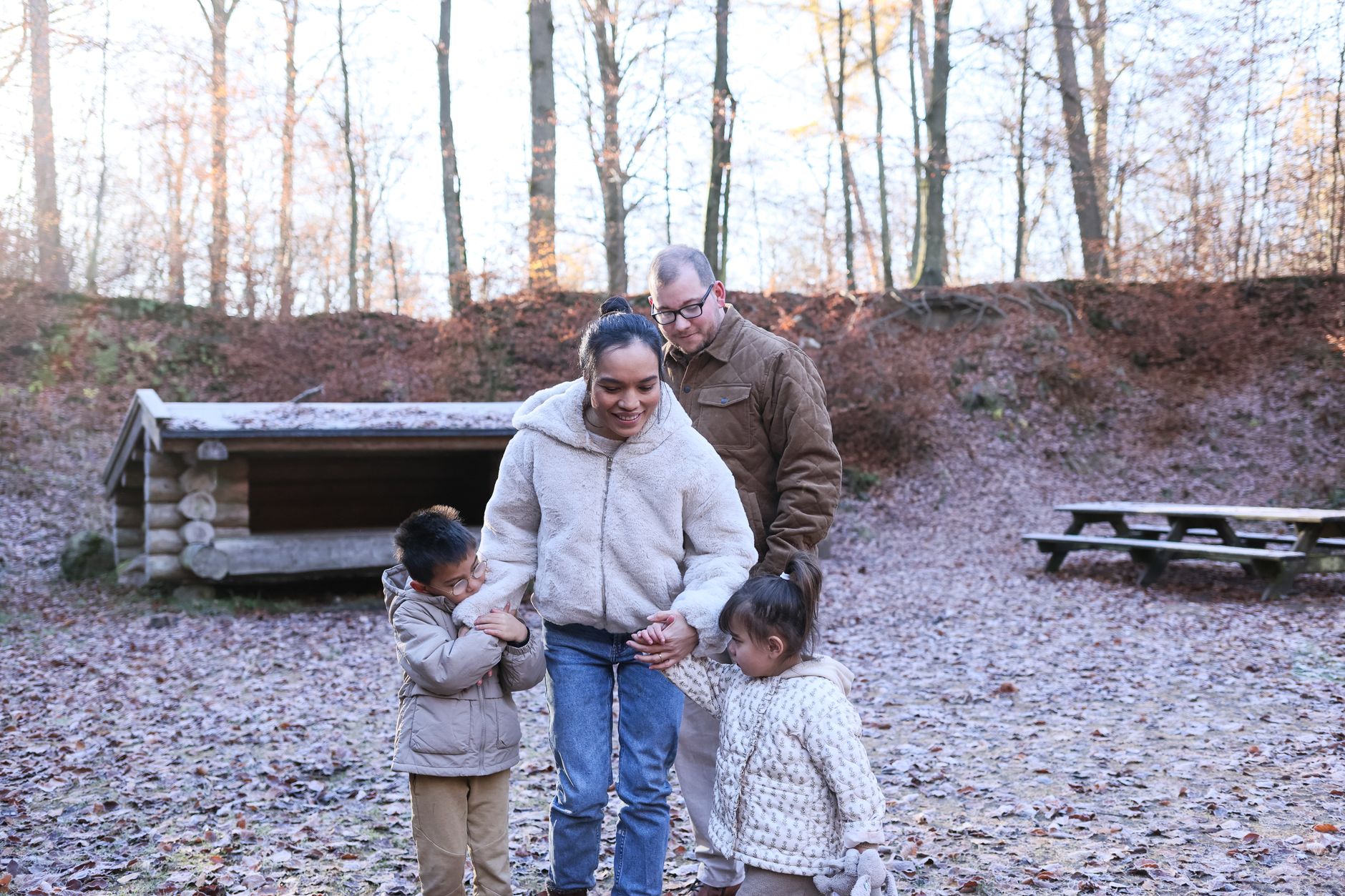
Day Trips with Kids around Frankfurt: The Best Outdoor Destinations
Family outings around Frankfurt: the zoo and the Opel-Zoo, the Taunus with the Großer Feldberg, the Hessenpark open-air museum, the Lochmühle theme park, Taunus Wunderland, a high-ropes course and a Main river cruise — with prices, hours and how to get there (as of 2026).
Katharina Vogt28 July 2026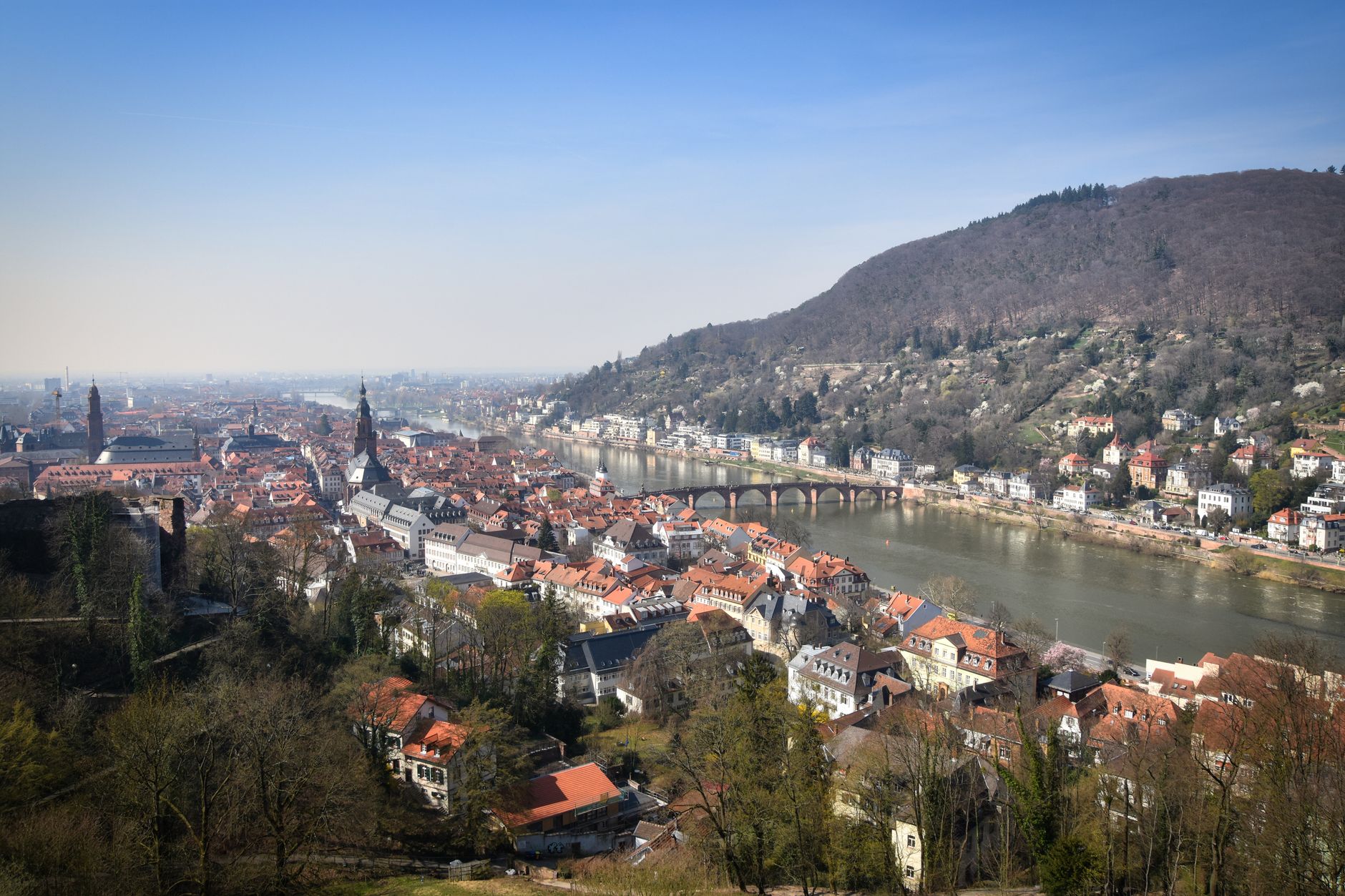
Day Trips
Day Trip to Heidelberg from Frankfurt: Getting There & Plan
Heidelberg in a day from Frankfurt: getting there by train or car, prices (as of 2026) and a tried-and-tested plan with the old town, castle, funicular, Old Bridge and Philosophers' Walk.
Katharina Vogt16 June 2026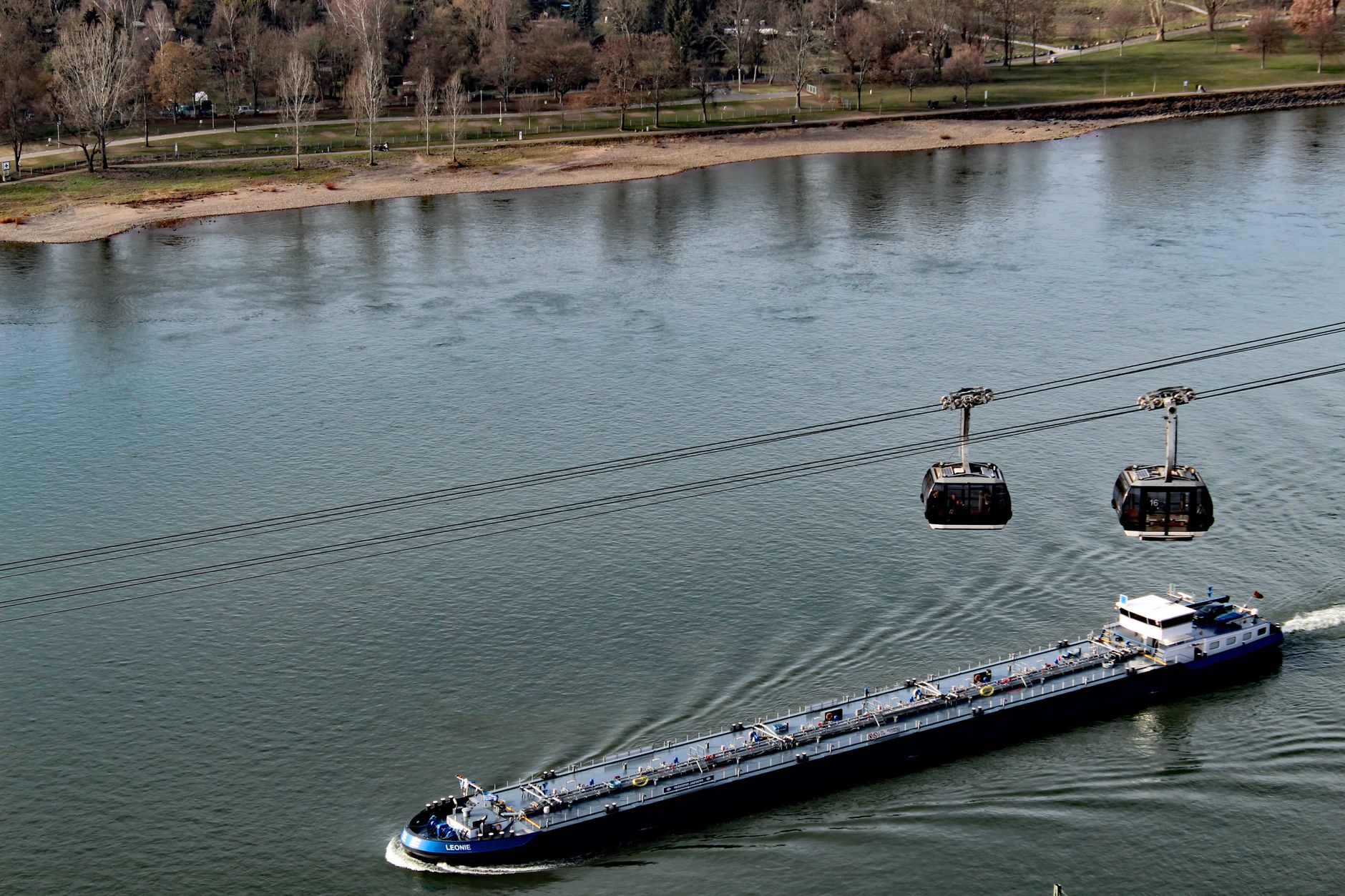
Day Trips
Day Trip to the Rheingau: Rüdesheim by Train & Cable Car
Rüdesheim in a day from Frankfurt: just over 70 minutes on the RheingauLinie, the cable car to the Niederwald Monument, the ring tour with chairlift and boat, the Drosselgasse, Riesling and Kloster Eberbach.
Katharina Vogt16 June 2026
Airport & Getting There
Transfer Frankfurt Airport to Heidelberg, Mainz & Wiesbaden
From Frankfurt Airport to Mainz, Wiesbaden or Heidelberg: the S8, ICE via Mannheim, FlixBus and the TLS shuttle compared — with journey times, rough costs (as of 2026) and the best choice for each destination.
Katharina Vogt16 June 2026