Day Trip to Heidelberg from Frankfurt: Getting There & Plan
From Frankfurt to the castle ruin above the Neckar in about an hour: how to experience Heidelberg fully and at a relaxed pace in a day — with routes, prices and my plan for a well-rounded day.

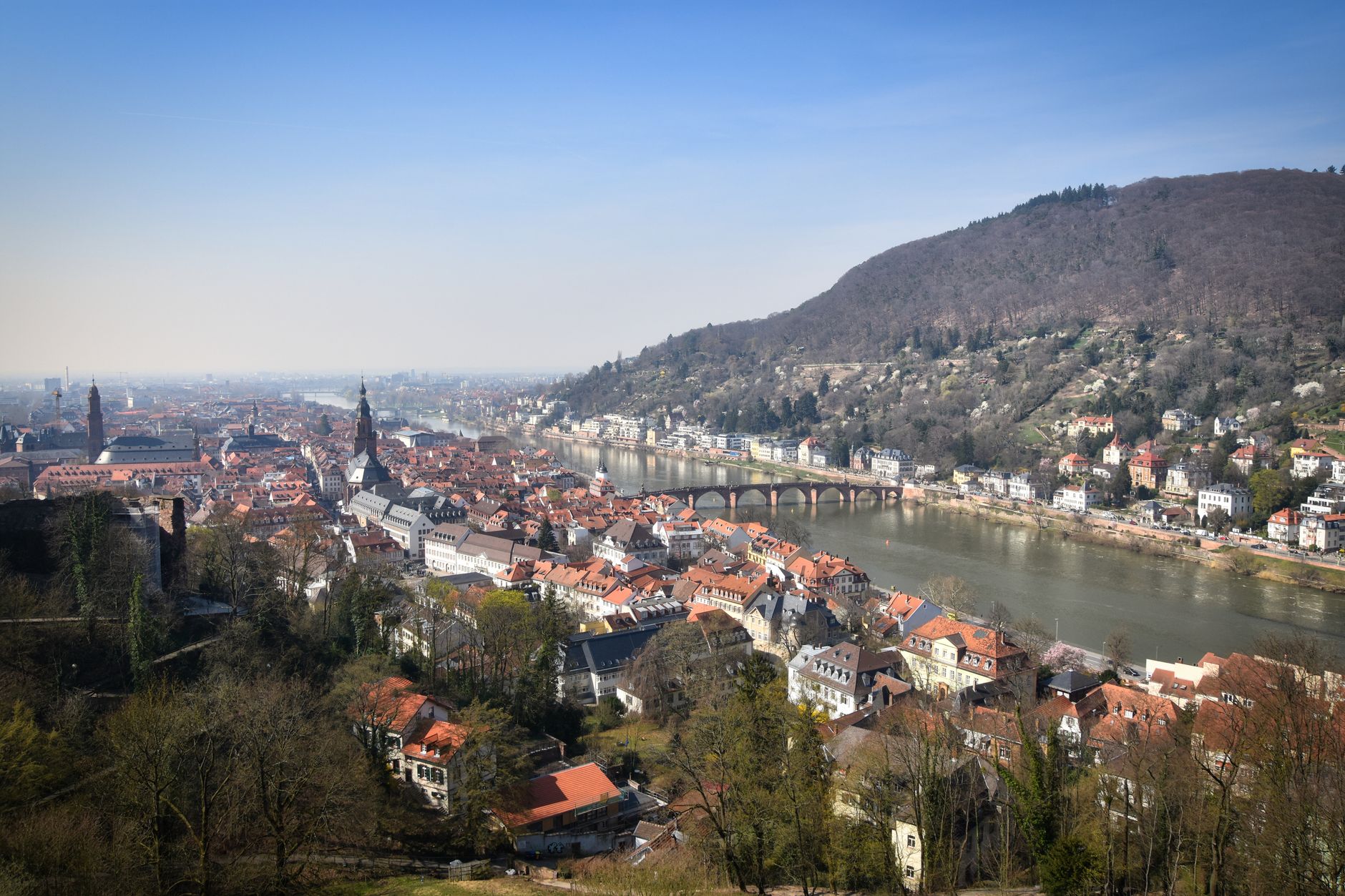
When visitors ask me which single day trip they absolutely must make from Frankfurt, I rarely hesitate: Heidelberg. Hardly any other town lies so close — a good hour away — and gives you so much in such a small space: an old town built of red Neckar sandstone, arguably the most famous castle ruin in the world, Germany’s oldest university, and a stretch of river that poets and painters have celebrated for more than two hundred years. I go several times a year myself, and over time I’ve learned how to arrange the day so you see a great deal without ever rushing. That’s exactly the plan I’m sharing here — with the routes, the prices (as of 2026) and the small decisions that make all the difference.
By train to the Neckar in a good hour
For this trip the train is almost always the smart choice, because you won’t need a car in Heidelberg anyway and you’ll spare yourself the misery of parking. The fastest option is an ICE or IC from Frankfurt Hauptbahnhof to Mannheim (around half an hour), where you change to an S-Bahn or regional train on to Heidelberg (another quarter of an hour or so). That gets you there in under an hour. There are also through connections with no change — dozens of direct trains run over the course of the day — and the direct regional trains along the Main-Neckar line take only a little longer, at just over an hour.
On price it pays to book early: DB saver fares (Sparpreis) often start at around €13 to €20 per leg if you book a few days ahead, whereas on the day of travel you’ll pay considerably more. If you want to stay flexible or you’re travelling with others, do the maths on the Deutschland-Ticket: since January 2026 it costs €63 a month and is valid on all local trains — that is, the regional trains and S-Bahn via Mannheim, but not the ICE or IC. If you already hold the pass, you travel to Heidelberg at no extra cost and simply need to allow a bit more time. For families and small groups, the Baden-Württemberg regional day ticket, which covers several people on local trains, can be the better deal.
You arrive at Heidelberg Hauptbahnhof, which sits a fair way outside the historic core: it’s about a 20- to 25-minute walk into the old town, or more comfortably a few minutes by bus or tram to Bismarckplatz, the western gateway to the pedestrian zone. That’s where the town proper begins.
Or by car via the A5
By car it’s roughly 90 kilometres and, traffic permitting, about an hour, mostly south on the A5 (typically via the B3 or A67). If you’re still weighing Heidelberg against other destinations, the road distances and driving times from Frankfurt are listed side by side and make that comparison quick. The catch comes at the end: Heidelberg’s narrow old town is largely car-free, and parking is scarce and expensive. Head for one of the signposted multi-storey car parks on the edge of the centre — the ones around the Kornmarkt are handy, since that’s also where the lower funicular station is. To keep things stress-free, use a park-and-ride site and take the tram for the last stretch. On balance, most visitors from Frankfurt end up preferring the train.
A morning in the old town
Start the day down in the old town while your legs are still fresh — the hills come later. The backbone of the centre is the Hauptstraße, pedestrianised since 1978 and, at around 1.6 kilometres between Bismarckplatz and the Karlstor, one of the longest shopping streets in Europe. Let yourself drift, keep turning off into the narrow side lanes, where it’s loveliest among the bookshops, wine taverns and old townhouses.
About halfway along, the market square opens up with the Church of the Holy Spirit (Heiliggeistkirche), the landmark of the old town. This late-Gothic hall church of red sandstone was begun in 1398; it once housed the famous Bibliotheca Palatina and served as the burial place of the Palatine electors. Market stalls used to lean right against its outer walls — the little shop booths tucked between the buttresses still recall it today. A few steps on lies the snug Kornmarkt with its gilded Madonna and the first grand view up to the castle. This is also the valley station of the funicular — remember the square for later.
Germany’s oldest university — and its “prison”
Heidelberg is a university town through and through: founded in 1386 by Elector Palatine Ruprecht I, the Ruperto Carola is Germany’s oldest university. Around the Universitätsplatz you can still feel the student spirit. The Alte Universität (the “Domus Wilhelmiana”, built 1712–1728) houses the university museum and the magnificent Old Assembly Hall (Alte Aula).
My insider tip for anyone after something out of the ordinary is just around the corner in the Augustinergasse: the Studentenkarzer, the old student prison. From 1823 into the early twentieth century, students served their sentences here — for nocturnal disturbance, smashing lanterns, drunkenness or forbidden duelling. Rather than sulk, they immortalised themselves across the walls and ceilings with slogans, silhouettes and coats of arms; a spell in the cells soon became a badge of honour. A combined ticket for the university museum, the Alte Aula and the Karzer costs only a few euros (around €3 to €4, less when reduced; as of 2026). It’s usually open daily from 10 a.m. to 6 p.m. between April and October, with shorter hours in winter.
Up to the castle: funicular, Great Vat and Königstuhl
Heidelberg Castle is the undisputed highlight, and the most atmospheric way up is the funicular (Bergbahn) from the Kornmarkt. It comes in two sections: the modern lower railway runs from the Kornmarkt via the Schloss (castle) stop to the Molkenkur; from there a historic funicular takes over, one of the oldest electrically operated mountain railways in Germany, still running with its original wooden cars from 1907. It rattles gently on up to the Königstuhl, at just under 568 metres the highest hill above the city, from where the view sweeps far across the Odenwald and the Rhine plain.
For tickets you have two sensible choices (as of 2026):
- Castle only: the return trip on the lower funicular, including entry to the castle courtyard, the vat cellar and the German Pharmacy Museum, costs €11 (reduced €5.50).
- Panorama ticket to the Königstuhl: the full ride all the way to the top and back costs €17 (reduced €8.50) and includes the same castle admission.
Once up there, take your time over the wide castle courtyard, the famous Great Vat (Großes Fass) — a wine barrel from 1751 that holds around 220,000 litres and is reckoned the largest in the world — and the excellent German Pharmacy Museum in the vat cellar. The state rooms inside the palace can only be seen on a guided tour; for a day trip the courtyard, the vat and the museum are more than enough. The real magic lies outdoors anyway: in the half-ruined, half-preserved architecture with its blown-up tower and the view that drops straight down from the terrace over the old town and the Neckar.
Across the Old Bridge to the bridge monkey
Back down in the valley, the route leads over the Old Bridge (officially the Karl-Theodor-Brücke). The present stone bridge of red sandstone was built between 1786 and 1788 under Elector Karl Theodor and is one of the most photographed sights in the city — with the twin-towered bridge gate on the old-town side and the castle behind.
Right at the southern end sits the bridge monkey (Brückenaffe), a bronze figure by Gernot Rumpf from 1979. The monkey holds up a mirror, and it means us, the onlookers: before you set off into the wide world, look back and don’t forget what you have here in Heidelberg. If you take the legend seriously, you touch the mirror for wealth and the outstretched fingers for a safe return to Heidelberg; and if you wish for children, you stroke the little mice beside the monkey. A touch of kitsch, admittedly — but no one walks past without briefly rubbing those gleaming, polished fingers.
The Philosophers’ Walk — the best view of Heidelberg
If you still have the energy and the time in the afternoon, cross the bridge and climb up to the Philosophers’ Walk (Philosophenweg) on the opposite slope. The shortest (and steepest) way up is the narrow Schlangenweg, the “snake path”, just behind the bridge — a few sweaty minutes that are well worth it. From this sun-blessed hillside path you get the classic picture-postcard panorama: old town, Old Bridge, river and, above it all, the red castle ruin, in a single view. It’s loveliest in the late afternoon, when the low sun sets the façades glowing. The south-facing slope is so mild that even Mediterranean plants thrive here — small wonder that generations of professors and poets took their walks on exactly this path.
My plan for a well-rounded day
Over many visits, this sequence has proved itself for me: an early train from Frankfurt, arriving in Heidelberg around 9 or 10 a.m. The morning at a gentle pace in the old town — Hauptstraße, market square, Kornmarkt, a detour to the university and the Karzer. A light lunch at midday, then up on the funicular; if you love a far-reaching view, ride all the way to the Königstuhl, otherwise stop at the castle. Back down in the early afternoon, across the Old Bridge to the bridge monkey and — as the crowning finish — up to the Philosophers’ Walk for the best photo of the day. Round it off with a slice of cake or a glass of wine in one of the old-town taverns before you head home. Wear sturdy shoes: the cobblestones, the climb to the castle and the Schlangenweg all take their toll.
As for the season: I find late spring and early autumn the loveliest, when the light is soft and the town isn’t overrun. On sunny summer weekends it gets genuinely crowded around the castle — midweek is far more relaxed. A special occasion is the castle illumination (Schlossbeleuchtung), when the ruin is bathed in red fire and fireworks are set off over the Neckar; in 2026 the dates are 6 June, 11 July and 5 September. Because the spectacle only starts at around 10.15 p.m., plan a late train home on those evenings, or simply book a night’s stay.
If this day leaves you wanting more of the surrounding area, my piece on the day trip to the Rheingau and Rüdesheim offers an equally lovely alternative by train and cable car, and my overview of day trips around Frankfurt is full of further ideas. If you’d rather travel straight on to Heidelberg from the airport, you’ll find the right options in my guide to the transfer from Frankfurt Airport to Heidelberg, Mainz and Wiesbaden. Heidelberg, though, remains the classic — and if you set off early, book the train ticket in good time and wear comfortable shoes, you’ll experience one of Germany’s loveliest cities entirely without the rush.
Keep reading
Day Trips
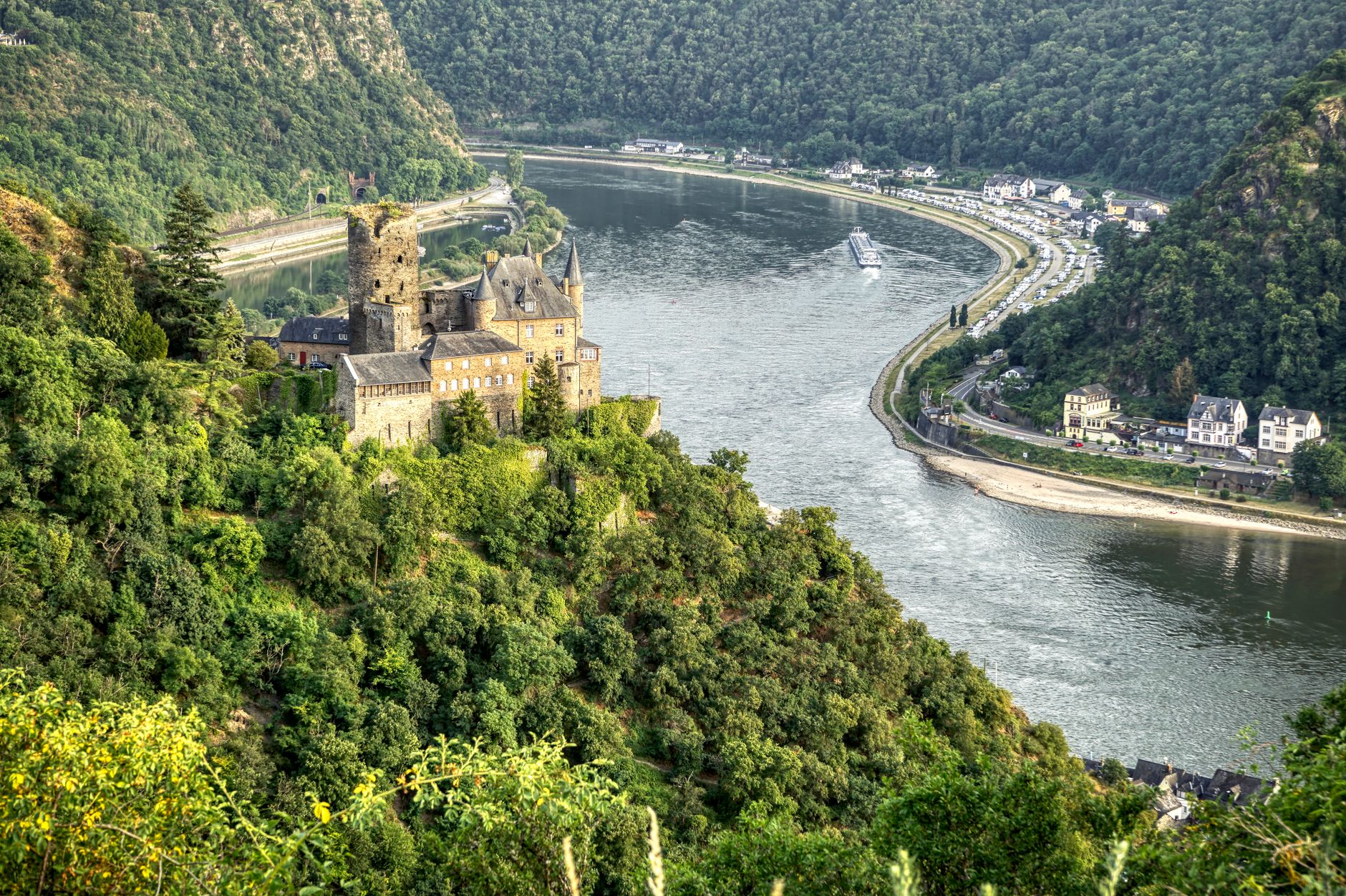
Day Trips Around Frankfurt: The Best Excursions by Train
The best day trips from Frankfurt: the Rheingau, Heidelberg, Mainz, Wiesbaden, the Taunus, the Loreley, Marburg and Darmstadt — with rough travel times by train and car.
Katharina Vogt3 July 2026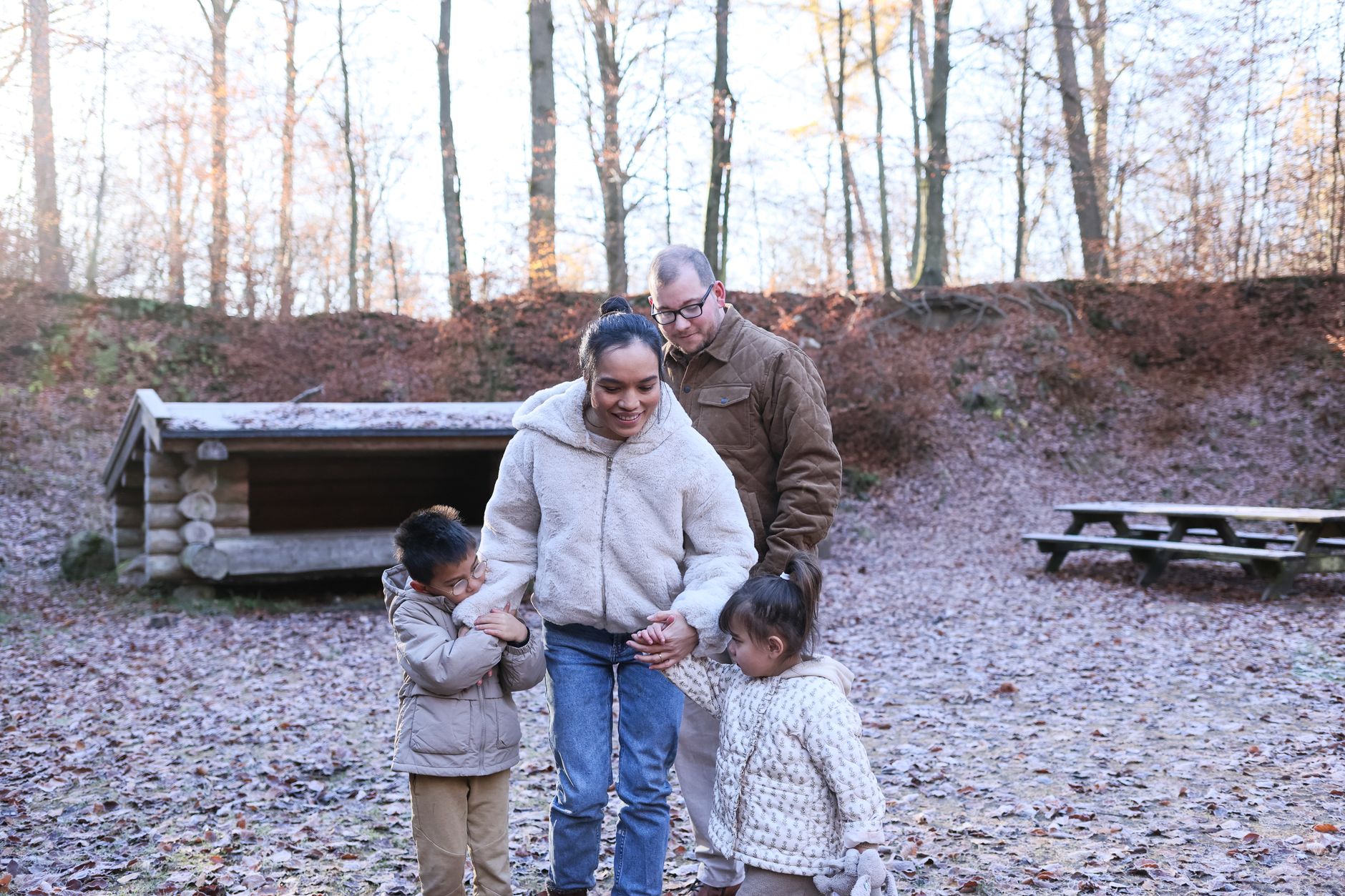
Day Trips
Day Trips with Kids around Frankfurt: The Best Outdoor Destinations
Family outings around Frankfurt: the zoo and the Opel-Zoo, the Taunus with the Großer Feldberg, the Hessenpark open-air museum, the Lochmühle theme park, Taunus Wunderland, a high-ropes course and a Main river cruise — with prices, hours and how to get there (as of 2026).
Katharina Vogt28 July 2026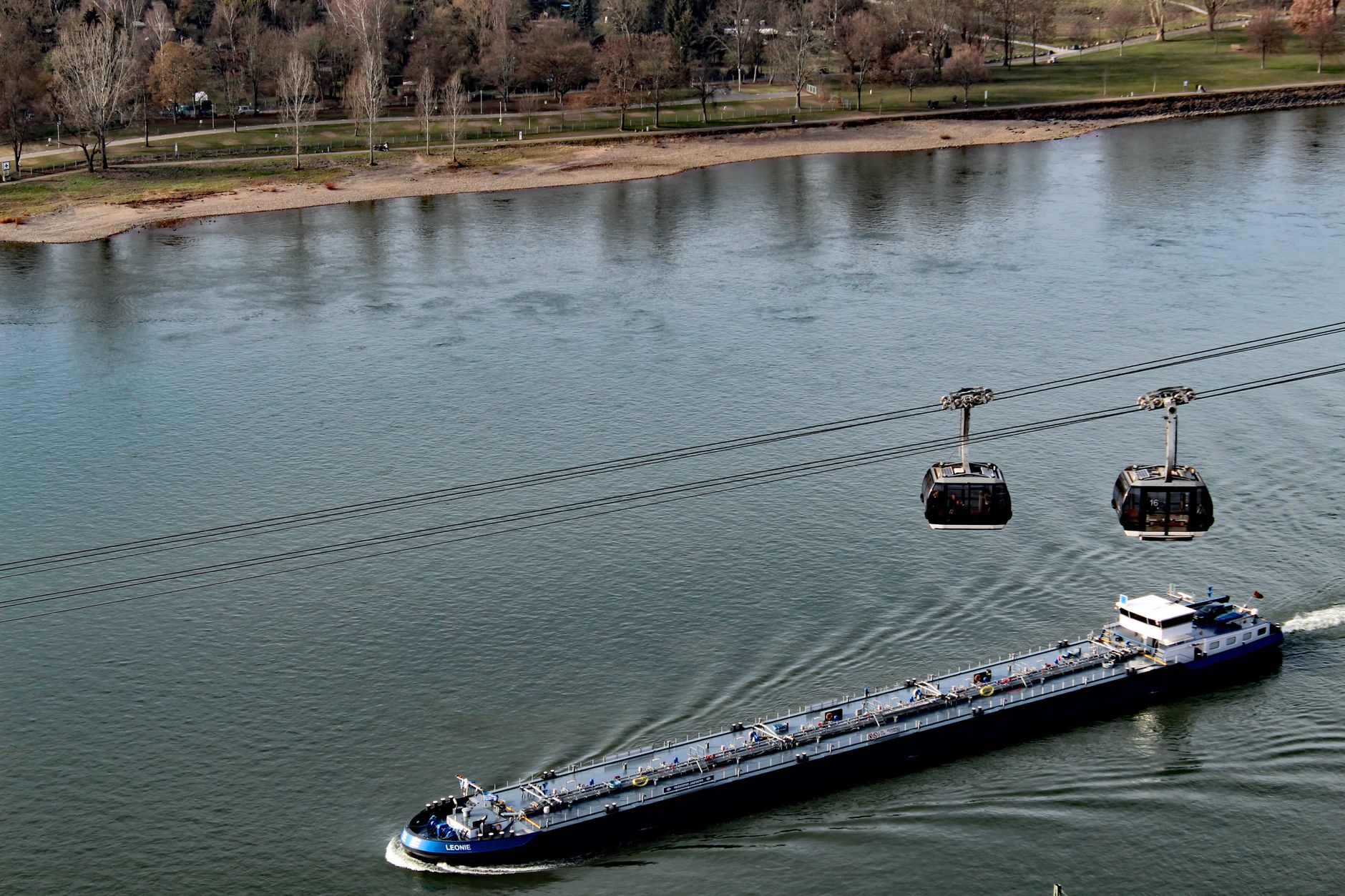
Day Trips
Day Trip to the Rheingau: Rüdesheim by Train & Cable Car
Rüdesheim in a day from Frankfurt: just over 70 minutes on the RheingauLinie, the cable car to the Niederwald Monument, the ring tour with chairlift and boat, the Drosselgasse, Riesling and Kloster Eberbach.
Katharina Vogt16 June 2026
Airport & Getting There
Transfer Frankfurt Airport to Heidelberg, Mainz & Wiesbaden
From Frankfurt Airport to Mainz, Wiesbaden or Heidelberg: the S8, ICE via Mannheim, FlixBus and the TLS shuttle compared — with journey times, rough costs (as of 2026) and the best choice for each destination.
Katharina Vogt16 June 2026