Frankfurt Book Fair 2026: Tickets, Public Days and Guest of Honour Czechia
Three days for the public, two for the trade only, and a guest of honour dreaming of the sea. A local explains how an ordinary reader gets into the world's biggest book fair — and what you can actually do once you're in.

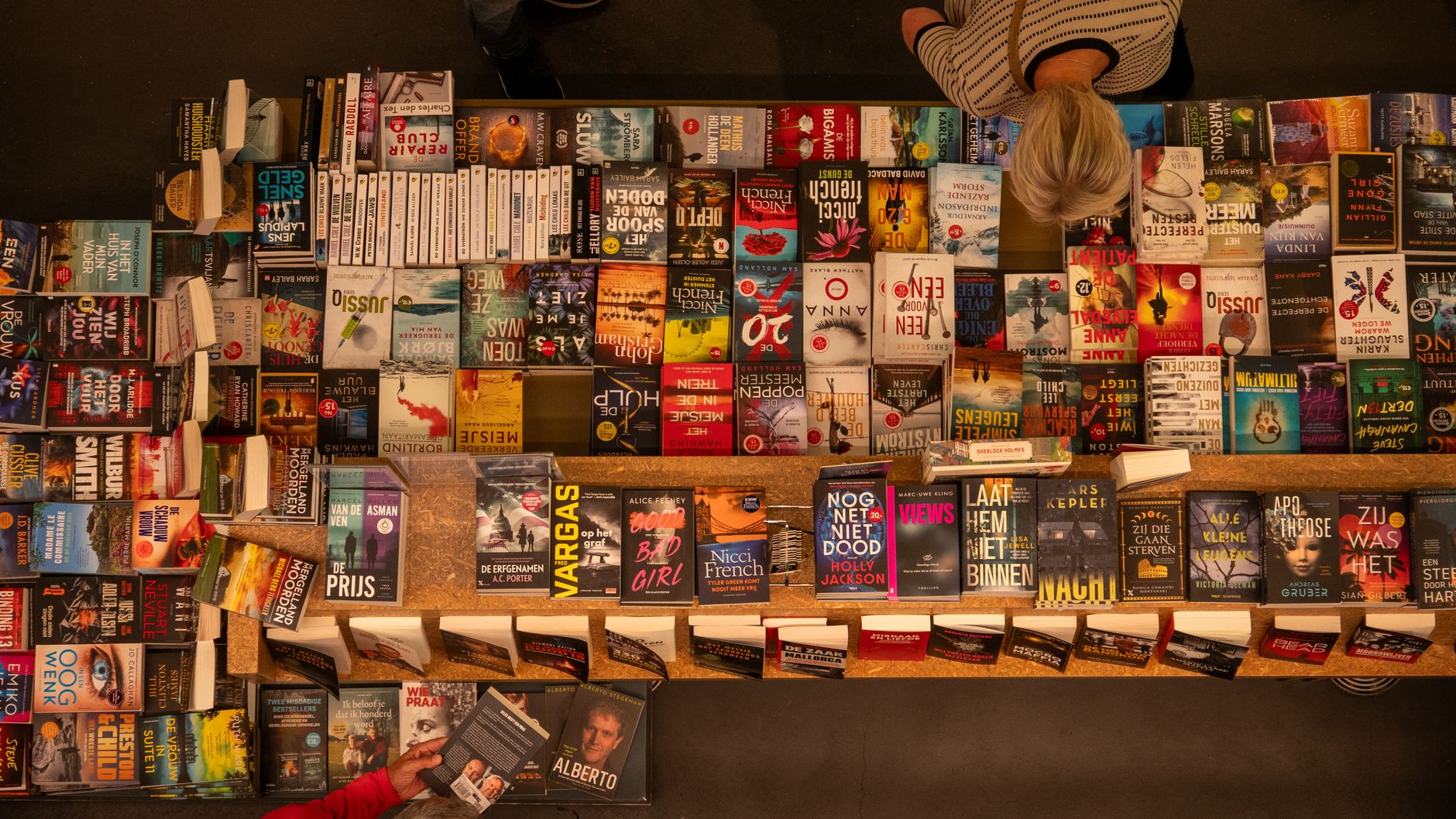
Every October Frankfurt becomes the capital of books for five days, and every year friends from elsewhere ask me the same thing: can you actually just go? Yes, you can — but not on every day, not with every ticket, and not without knowing a few rules that aren’t printed on any ticket. The 78th Frankfurter Buchmesse runs from 7 to 11 October 2026. I’ve gone at the weekend for years, as a reader with a tote bag rather than as someone from publishing, and that is the point of view this piece is written from.
One thing up front: how the exhibition grounds work — the hall numbers, the Via Mobile walkways, which entrance leads where — I’ve covered in detail in my guide to visiting Messe Frankfurt. This one is about the book fair itself.
Trade days and public days: five days, two worlds
The Buchmesse is first and foremost a marketplace. Wednesday and Thursday, 7 and 8 October, belong to the trade alone: licences are sold, translation rights negotiated, and the people on the stands carry diaries rather than reading copies. The public is let in only from Friday, and not straight away even then (as of 2026):
- Friday 9 October: 11am–6.30pm (trade visitors are in from 9am)
- Saturday 10 October: 9am–6.30pm
- Sunday 11 October: 9am–5.30pm
The days feel very different. On Friday you still sense the trade fair: many stands are busy with meetings, and it’s comparatively quiet. Saturday is the packed day, with queues at the signing tables and crowds in the aisles. Sunday starts calmly and fills up towards midday. If you have the choice, go on Sunday morning or Friday afternoon.
Tickets 2026: what the public pays
Prices for private visitors (as of 2026):
- Friday day ticket: €30
- Saturday day ticket: €35
- Sunday day ticket: €30
- Three-day ticket, Friday to Sunday: €59
- Reduced day ticket: €25, with proof of eligibility
- Family ticket (up to two adults and three children aged 7 to 18): €60 on Friday and Sunday, €70 on Saturday
- Children’s ticket (ages 7 to 12): €9
- Free: children up to 6, wheelchair users, holders of a German disability card marked B or H
Two things to know before you leave it to the last minute. First, allocations are limited, and the fair says only leftover tickets are sold at the on-site ticket desks — if you want to be sure of getting in, buy online. Second, and this surprises most people: public tickets do not include RMV travel. Trade tickets do. So you pay for the train or bus to the fair on top; for a family, an RMV group day ticket is usually the cheapest answer.
The trick hardly anyone knows: go in as a trade visitor
Who counts as a trade visitor is broader than many assume. The fair includes anyone professionally involved in the development, production, sales or management of printed and electronic media — and explicitly names teachers and students, alongside booksellers, librarians and trainees. The reduced trade day ticket costs €33 (as of 2026), is valid with proof — a student card, say — on any one of the five days, and includes free RMV travel.
For a literature student that means: for €3 more than the Friday ticket, she can get in on Wednesday or Thursday, when the aisles are empty and publishers have time to talk — and her journey is paid for. To my mind it’s the best book fair tip there is, because Wednesday and Thursday are a completely different fair from the weekend. The full five-day trade ticket costs €165, a regular trade day ticket €91.
Guest of honour Czechia: a country on the coast
The 2026 guest of honour is Czechia, and its motto is a small literary joke: “A Country on the Coast”. It nods to Shakespeare’s The Winter’s Tale, in which Bohemia famously has a seashore. The pavilion, around 2,000 square metres, is titled “An den Grenzen der Vorstellungskraft” (at the limits of imagination) and was designed by the architecture practice JinJan. Around 75 Czech authors and artists have been announced, appearing on two dedicated stages across all five days; the new-release list runs from established names such as Michal Ajvaz to younger voices.
For Frankfurt the guest has a special resonance: Prague is one of its twin cities. Across the whole guest-of-honour year, around 500 events are planned in Germany — readings, exhibitions, theatre and film.
What a reader can actually do at the fair
In 2026 the fair has noticeably reorganised its grounds, and for the public that’s good news. The public programme now runs on the ground-floor levels of every hall, and each hall has a central stage. The upper levels house the international trade business — you can walk through, but don’t expect readings there.
- Children’s and young adult books have moved entirely into Hall 4.0, together with the comics publishers. Outside the hall, on the open-air area, is the new Matsuri stage with a Japanese cultural programme.
- Signings: “Meet the Author” has moved to the Agora, the open-air space at the heart of the grounds. New Adult authors sign on the Agora, in Halls 3.0, 4.0 and 5.0 and on the Community Stage in the Festhalle. Some signings need a separate ticket — check for your favourite authors in advance.
- Buying books is allowed, but only at selected stands. Keep your receipt — it’s your proof of purchase for the security staff. After readings and signings, the authors’ books are sold at the regular shop price; Germany’s fixed book-price law means there are no bargains anyway.
- Cosplay is part of the weekend. Home-made weapons are fine as long as they don’t look convincingly real; they are marked at the entrance. Professional replicas stay outside.
The fair advises against bringing large bags, rucksacks or suitcases, and there are security checks at the entrance. If you plan to buy books, bring a foldable bag. And plan your breaks outdoors: in good weather the Agora is the pleasantest spot on the grounds.
Sunday: the Peace Prize at the Paulskirche
Fair Sunday has a fixed highlight that doesn’t take place on the grounds at all. On 11 October 2026 the Peace Prize of the German Book Trade is presented in the Paulskirche, this year to the French-British lawyer and author Philippe Sands, whom the jury honours as a steadfast defender of international law. German public broadcaster ARD shows the ceremony live from 10.45am. The Paulskirche sits on the edge of the old town, and if you pass it that morning, you feel that the book fair is more than a trade event.
The fair in the city: Open Books
My favourite part of the book fair costs nothing. The Open Books reading festival takes place for the 18th time in 2026, from 6 to 10 October, around the Römer: 145 events with some 200 authors, covering fiction, non-fiction, graphic novels and poetry, with a focus on Czechia this year. Everything is free except the opening event with the Blue Sofa at the German National Library on 6 October. If you want to experience literature without a fair ticket, this is the place, and between two readings it’s worth looking at the buildings around you — more on that in my historic walk through the old town and the Römer.
Getting to the book fair: what’s different in 2026
In 2026 the public is directed to two entrances: City (U4, trams 16 and 17 to Festhalle/Messe) and Festhalle Süd, which is not step-free. The Europa-Allee and Portalhaus entrances stay closed during the fair. Taxis and ride services such as Uber or Bolt are not allowed onto the grounds; they drop you at the City or Festhalle Süd entrances.
If you drive, park at the Rebstock car park outside the low-emission zone, from where a shuttle runs to the City entrance. Because Festhalle Süd sits right by the Festhalle, the same parking logic applies as for concerts there; which car parks around the Festhalle and the fairground work best is set out by Parkfibel. Coming from the Rhineland? It’s worth knowing how far Cologne is from Frankfurt and what the drive costs — though the ICE will beat any tailback on the A3. And if you’re flying in, you’ll land at an airport that rebuilt itself in 2026: Terminal 3 is new, Terminal 2 is closed. How Frankfurt’s terminals fit together now is explained by our partner site.
The hotel problem — and how I get round it
Book fair week is one of those weeks when Frankfurt hotel prices climb to several times their usual level and the hotels around the fairground are gone early. The fair itself advises booking early and points to the room-finding service run by the city’s Tourismus+Congress GmbH. Which district suits whom I’ve set out in my guide to where to stay in Frankfurt.
Two fallback strategies work in practice. The first: stay in Offenbach, Hanau or Darmstadt and commute by S-Bahn — but with your own ticket, because your public fair ticket won’t carry you. The second: a hotel at the airport, from where the S-Bahn reaches the main station in about ten minutes — fair weeks are felt there too, but it’s worth comparing. Many of these hotels collect guests by shuttle bus; how the Frankfurt Airport hotel shuttles work and where they leave from is covered by our partner site. Factor in the airport fare, though: the trip from the airport into town costs more than an ordinary Frankfurt single.
My own book fair day usually goes like this: on Thursday evening a reading at Open Books by the Römer; on Sunday at nine, the U4 to the City entrance, straight to the stands I really want to see before the crowds arrive, out onto the Agora at midday, one more lap of Hall 3.0 in the early afternoon, and by three I’m gone. I go home with too many books and the feeling that for exactly five days a year, this city is made entirely of paper.
Keep reading
Attractions
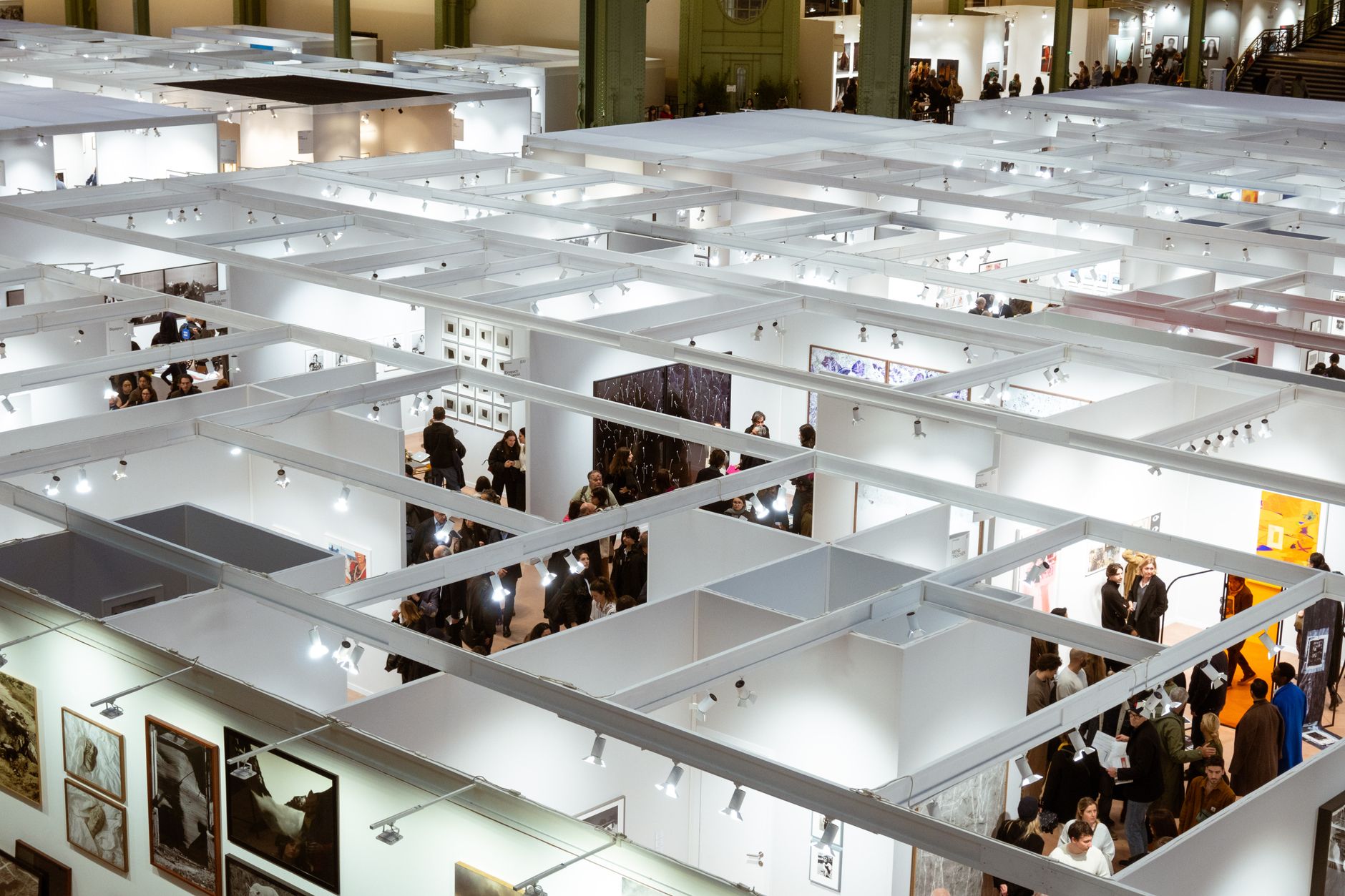
Visiting Messe Frankfurt: Entrances, Getting There and the RMV Question
What a trade fair visit to Frankfurt actually involves: which entrance serves which halls, how to cross the grounds, when your admission ticket doubles as a free RMV travel pass — and what a hotel really costs in a fair week.
Katharina Vogt17 September 2026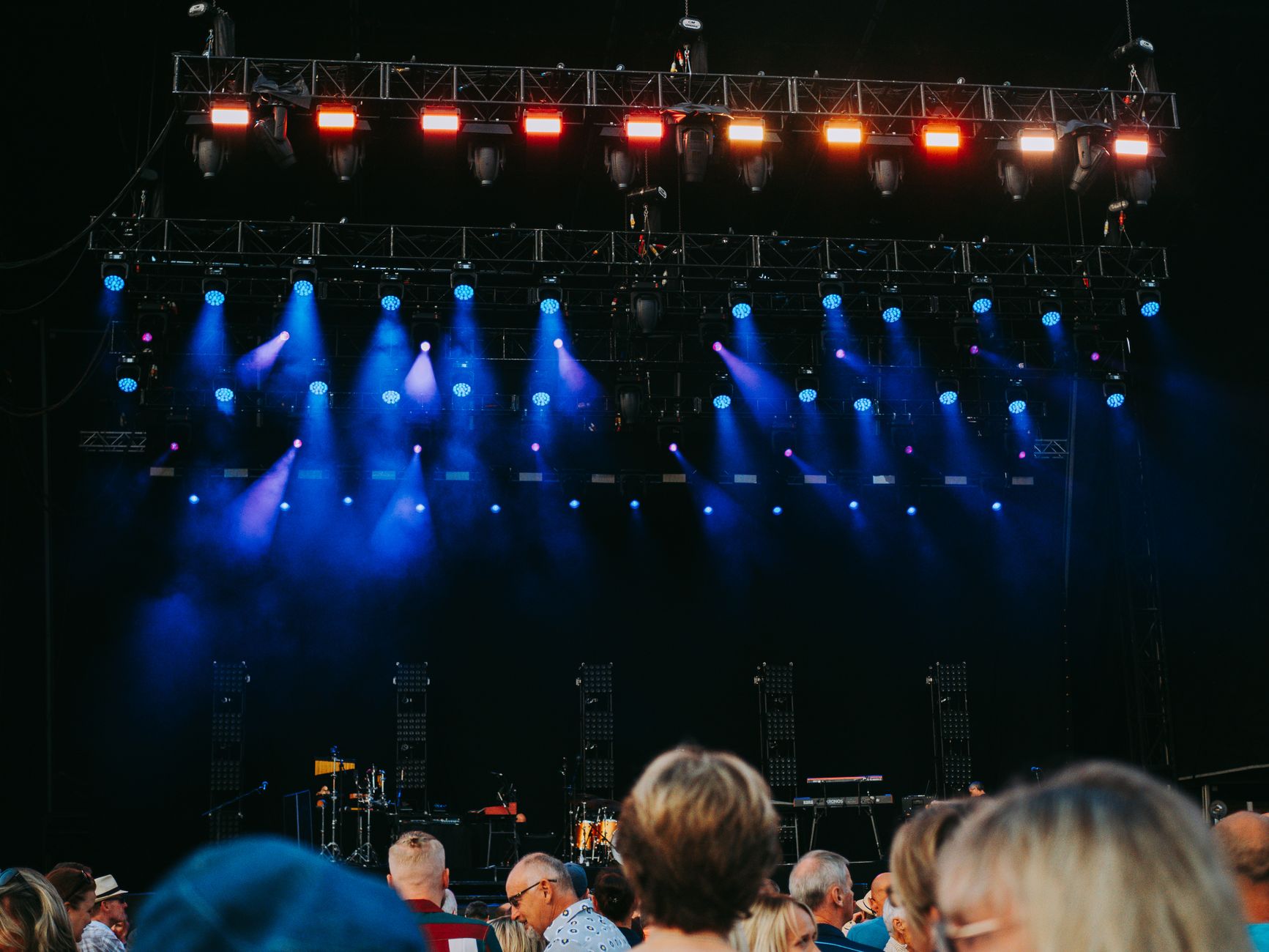
Attractions
Festhalle Frankfurt: Events, Getting There & Parking
Concerts in the domed hall of 1909: capacity, history, getting there by U4, S-Bahn and tram, and parking at the trade-fair grounds — a local's tips for your event night.
Katharina Vogt15 July 2026
Attractions
Frankfurt Hidden Gems: A Local's Favourites Off the Tourist Trail
Insider tips from a local: the Nizza garden on the Main, the Lohrberg for a free skyline view, the Höchst old town, the Kleinmarkthalle and more — with addresses and prices.
Katharina Vogt24 July 2026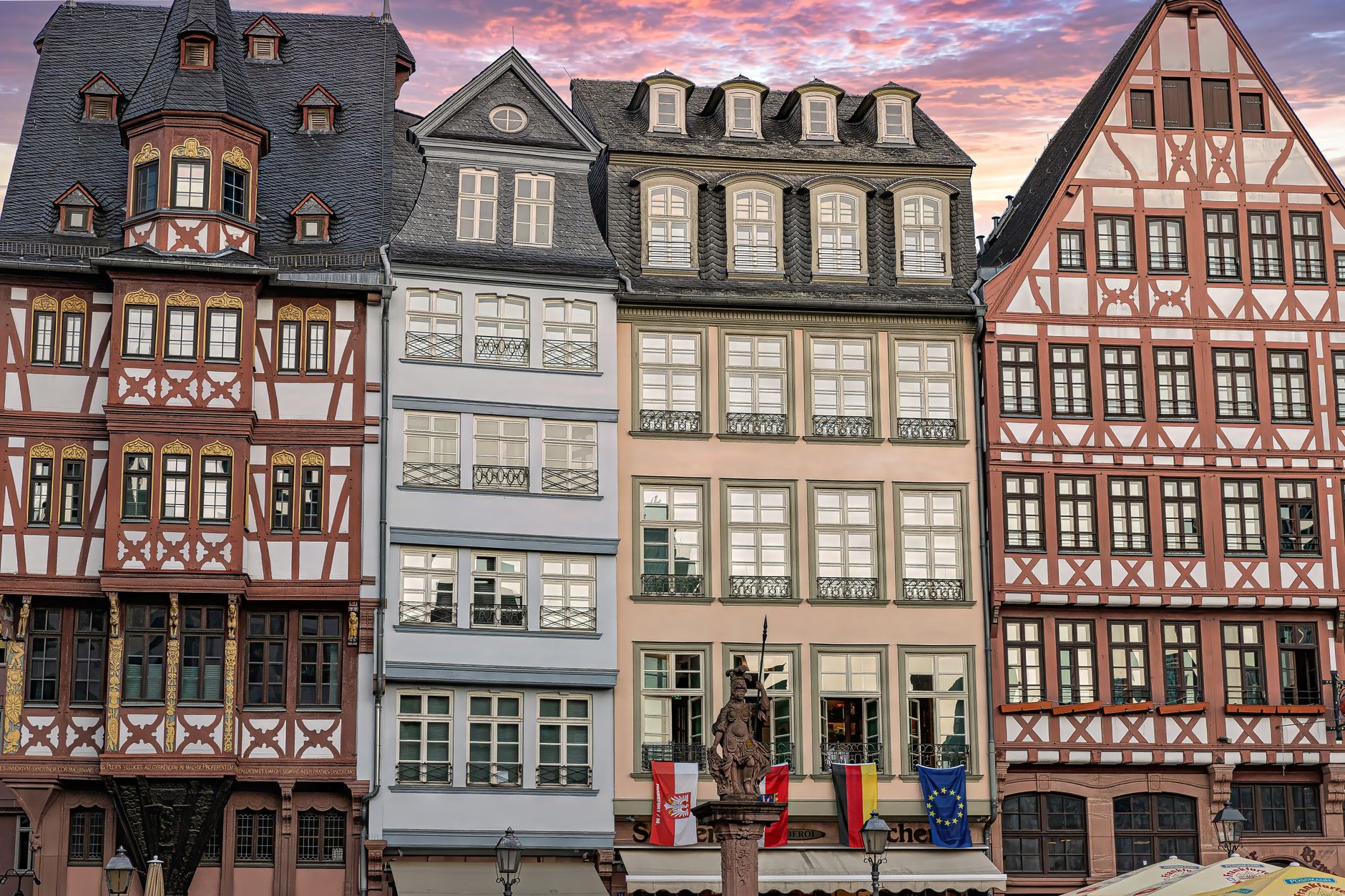
Attractions
Historical Museum Frankfurt: Saalhof, Highlights & Tickets
The Historical Museum Frankfurt at the Saalhof: the Staufer-era old building and the 2017 new building, the Treuner brothers' old-town model, the Snow Globe, the Young Museum, plus current prices and opening hours (as of 2026).
Katharina Vogt20 June 2026